

In a world continuously grappling with the chaos of life and death, “The Triumph of Death” painting by Pieter Bruegel offers a haunting depiction that resonates deeply with today’s audience. Bruegel’s “Triumph of Death” captures a morbid fascination with mortality, using vivid imagery to explore the inevitability of death and the chaos it brings. This masterpiece invites you to delve into a chilling narrative woven through complex artistic techniques and profound themes.
As you stand before this mesmerizing work, the layers of meaning gradually unfold. “The Triumph of Death” is not just a reflection of Bruegel’s time but a timeless commentary on human existence. By examining the themes, artistic techniques, and historical context, you can unravel the enduring impact of Bruegel’s painting on modern art.
Introduction to The Triumph of Death
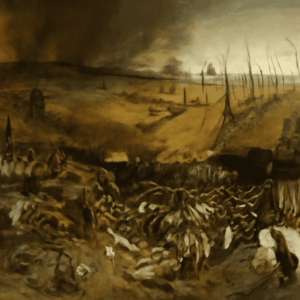
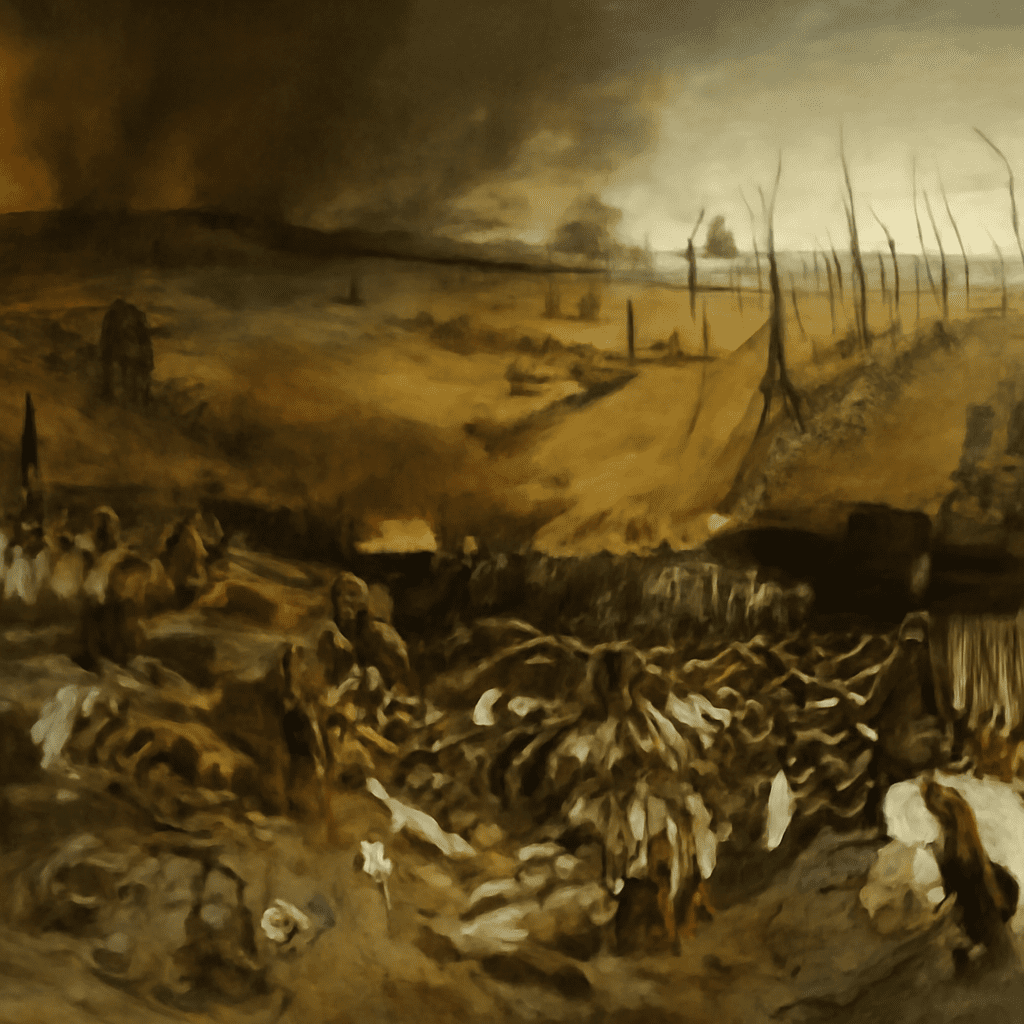
“The Triumph of Death” painting is a large-scale work by Pieter Bruegel, completed around 1562. It portrays an apocalyptic landscape where death reigns supreme, capturing a scene of utter desolation and chaos. As you navigate the image, skeletons and emblems of mortality become evident, creating a vivid tableau of doom and finality. This masterpiece embodies Bruegel’s fascination with the macabre and his ability to merge intricate details into a cohesive narrative.
This artwork was conceived at a time when Europe was no stranger to plague, war, and famine. The societal turmoil of the era is mirrored in Bruegel’s eerie portrayal of death’s omnipresence. Observing this painting invites you to engage with the existential questions it raises about life, death, and the human condition.
Exploring the Themes in Bruegel’s Triumph of Death
Central to the “Triumph of Death painting” is the theme of mortality’s inevitability. The relentless advance of skeletal figures sweeping across the canvas illustrates that death spares no one. This universal truth is rendered with an unsettling clarity, urging you to confront your own mortality.
Additionally, Bruegel explores the theme of chaos. The disarray in the imagery reflects a world where the usual social order has collapsed. In the midst of this pandemonium, you witness a stark depiction of life’s fragility and the futility of human endeavors against the backdrop of death’s overwhelming force.
By juxtaposing scenes of everyday life with symbols of death and destruction, Bruegel invites you to ponder the transient nature of existence. This juxtaposition offers a poignant commentary on the coexistence of life and death, urging introspection.
Artistic Techniques in the Triumph of Death Painting
Bruegel’s “Triumph of Death” stands out not just for its themes but also for its artistic execution. His use of color plays a crucial role in conveying the painting’s mood. The dark palette, dominated by browns and grays, envelops the scene in a somber ambiance, echoing the themes of despair and doom.
The intricate details and composition demonstrate Bruegel’s mastery in guiding your eye across the canvas. The chaotic arrangement of figures and elements keeps your attention engaged, revealing new stories and symbols with each closer inspection. This technique ensures that the viewer is continuously drawn back into the narrative.
Bruegel’s use of perspective enhances the painting’s impact. As you examine the depth of the landscape and the organization of figures, you appreciate the artist’s ability to create a sense of vastness and timelessness, effectively immersing you in the scene.
Historical Context and Influence
The “Triumph of Death” was painted during a period of significant upheaval in Europe. The mid-16th century was marked by religious conflicts, the spread of the Black Death, and political strife. Bruegel’s work reflects these historical realities, offering a visual commentary on the collective anxieties of his time.
As you connect the painting to its historical context, you gain insight into how Bruegel’s experiences and the societal events of his era influenced his artistic vision. This deeper understanding allows you to appreciate the painting not just as a work of art but as a historical document that encapsulates the fears and uncertainties of its time.
The influence of “The Triumph of Death” extends beyond its historical period. Its themes and execution have inspired countless artists and continue to resonate in contemporary art, demonstrating its enduring relevance.
Legacy and Impact on Modern Art
The legacy of Bruegel’s “Triumph of Death painting” is evident in its impact on modern art. Artists across generations have drawn inspiration from its themes and techniques, integrating them into their own work. The painting’s exploration of mortality and chaos continues to captivate artists and audiences alike.
In today’s art scene, you can observe echoes of Bruegel’s influence in the use of symbolism, narrative complexity, and thematic depth. By engaging with this painting, you become part of a continuous dialogue between past and present, where Bruegel’s insights into the human condition remain profoundly relevant.
As you contemplate the “Triumph of Death,” consider how its themes resonate with your own experiences and the world around you. The painting invites you to reflect on the nature of life and death, offering an enduring source of inspiration and contemplation in the ever-evolving landscape of modern art.