
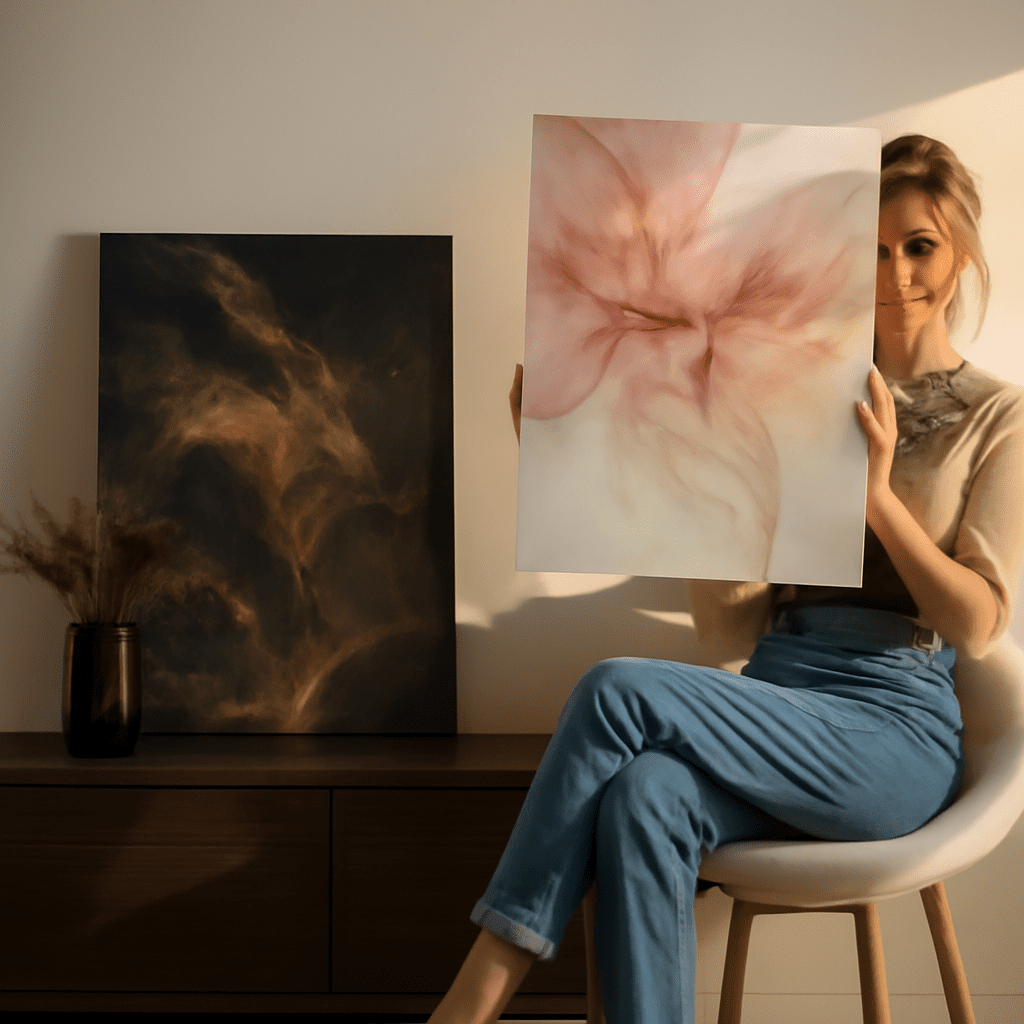
Creative expression often seeks the perfect medium, and alcohol ink art offers a colorful answer. The vivid hues and fluidity of alcohol inks captivate artists, yet many wonder, what is alcohol ink? This article delves into the essentials of alcohol painting, guiding you through techniques and inspiring projects. We’ll address common queries like what are alcohol inks and show you how to harness this dynamic medium. Whether you’re a novice or seasoned artist, understanding these principles will elevate your art and unleash vibrant creativity.
From selecting the right materials to mastering intricate techniques, discovering how to paint with alcohol ink is a rewarding endeavor. As you read, you’ll gain practical insights to take your art from concept to vibrant masterpiece. Let’s explore this fascinating world of alcohol ink painting, transforming curiosity into colorful creation.
Understanding Alcohol Ink Art
What is Alcohol Ink?
So, what is alcohol ink? Essentially, it’s a highly pigmented dye suspended in alcohol, known for its vibrant colors and fluid dynamics. Alcohol inks are especially favored for their ability to spread and blend effortlessly on non-porous surfaces. This unique quality lets you create mesmerizing effects that are both spontaneous and controlled, depending on your technique and intent.
History and Evolution of Alcohol Painting
The journey of alcohol ink art is relatively recent, gaining traction in the late 20th century. Artists across the globe have embraced the medium, pushing boundaries and exploring its potential. From abstract works to detailed illustrations, alcohol painting has evolved into a respected art form, celebrated for its intensity and movement.
Essential Tools and Materials
Choosing the Right Alcohol Inks
When choosing the right alcohol inks, quality matters. Look for inks with rich pigmentation and a smooth flow. Brands like Piñata and Ranger are popular among artists for their consistent results and vibrant color palette. Experiment with different brands to find the inks that best suit your style and technique.
Selecting Surfaces for Alcohol Ink Art
The choice of surface significantly impacts your artwork. Yupo paper, a synthetic substrate, is favored due to its slick, non-absorbent nature, allowing inks to glide and blend seamlessly. For more durable projects, consider ceramic tiles or glass, which provide a sturdy base for your creations.
Techniques for Painting with Alcohol Ink
Basic Techniques
To begin painting with alcohol ink, start with basic techniques such as dripping, blowing, and tilting. These methods allow you to control the flow of ink, creating organic shapes and soft edges. Use a straw or airbrush to move the ink, experimenting with different angles and distances to achieve varying effects.
Advanced Techniques
Once comfortable with the basics, explore advanced techniques like layering and masking. Layering involves building depth by applying successive ink washes, while masking uses resist materials to preserve whites or previous layers. These techniques require patience and practice to master but add complexity and interest to your work.
Inspiring Alcohol Ink Projects
Beginner Projects
For beginners, start with simple abstract pieces. Focus on exploring color combinations and understanding how inks react with each other. This playful experimentation builds confidence and familiarity with the medium.
Intermediate Projects
As you gain experience, try creating landscapes or floral motifs. These projects challenge your ability to control ink placement and blending, enhancing your skills in composition and color harmony.
Advanced Projects
Advanced artists might tackle portraiture or intricate designs. These projects demand precision and a deep understanding of ink behavior. Successfully completing such pieces showcases your mastery of alcohol ink painting.
Tips for Mastering Alcohol Ink Art
Troubleshooting Common Issues
Common issues include warping surfaces and unwanted ink spreads. To address these, ensure your surface is securely taped down and use minimal ink to avoid puddling. Practice on small sections to refine your control.
Preserving Your Alcohol Ink Artwork
Given their sensitivity to UV light, preserving alcohol ink art requires a protective sealant. Use a UV-resistant spray to maintain the vibrancy of your colors over time. Display your work away from direct sunlight to prevent fading.
Next Steps
As you embark on your alcohol ink art journey, remember that practice and patience are key. Regular experimentation will refine your skills and expand your creative horizons. Keep a journal of techniques and results to track your progress and inspire future projects. With dedication, you can transform your passion for alcohol painting into a rewarding artistic pursuit.