
Old paintings of women have captivated audiences for centuries, capturing the essence of feminine beauty and complexity in brushstrokes. These works not only highlight the artistic mastery of their creators but also reflect the ever-changing role of women in paintings. By examining these famous portraits of women, you gain insight into how female representations have evolved and continue to shape visual storytelling.
Join us as we delve into the mesmerizing world of famous paintings of women, exploring the evolution, symbolic roles, and modern interpretations that continue to inspire. From ancient art to contemporary renditions, these paintings offer a rich tapestry of cultural and historical narratives that remain relevant to this day.
The Evolution of Female Paintings
Early Depictions: Women in Ancient Art
The portrayal of women in ancient art often emphasized fertility and divinity. Artifacts from ancient civilizations showcase women as goddesses, mothers, and figures of mystique. These early depictions of women served as symbols of life and power, setting the foundation for how women in paintings would evolve over time.
Women depicted in early art were typically linked to fertility and nurturing roles. Artists of the time used flowing lines and rounded forms to symbolize the life-giving aspects of femininity, reflecting society’s reverence for these qualities.
The Renaissance Influence on Women in Paintings
During the Renaissance, the depiction of women in art underwent a transformation. The era’s focus on humanism and realism brought about a new level of detail and emotion in famous portraits of women. Artists like Leonardo da Vinci and Raphael depicted women with intricate detail and depth, emphasizing their individuality and inner world.
Renaissance art introduced a shift from symbolic representation to a more personal portrayal, showcasing women as subjects with unique stories and emotions. This period marked a significant evolution in how women were depicted in art, enriching the narrative with complexity and sensitivity.
Iconic Famous Portraits of Women
The Mona Lisa: A Timeless Masterpiece
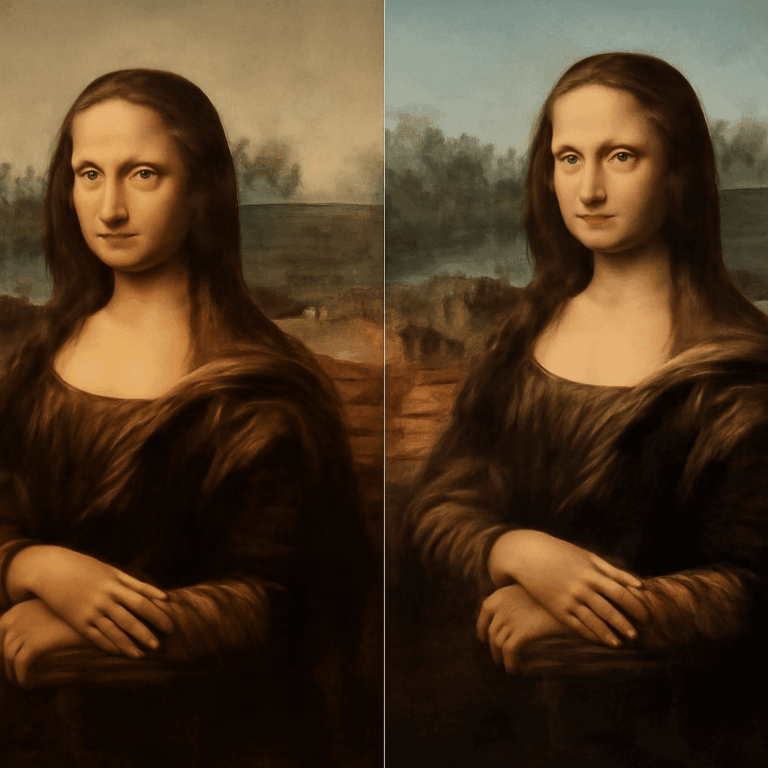
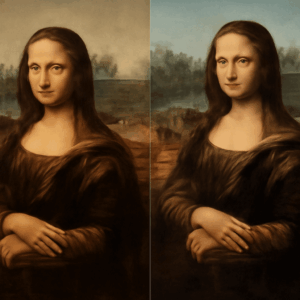
Leonardo da Vinci’s Mona Lisa stands as one of the most famous paintings of women. Her enigmatic smile and captivating gaze have intrigued viewers for centuries. The painting’s detailed composition and subtle use of sfumato technique highlight da Vinci’s mastery and the enduring appeal of this iconic portrait.
The Mona Lisa remains a symbol of artistic brilliance and continues to inspire countless interpretations. Her presence in art history is a testament to the timeless allure of famous portraits of women.
Girl with a Pearl Earring: A Study in Femininity
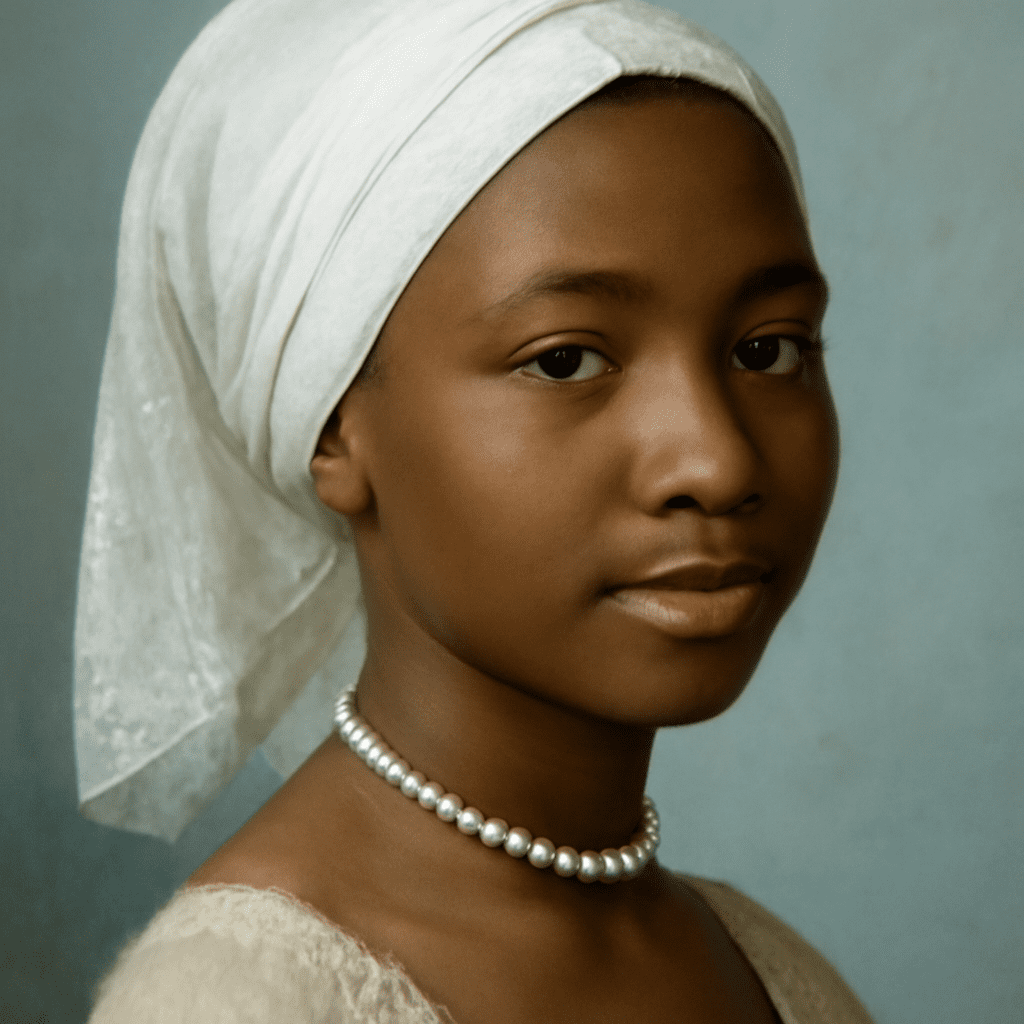
Vermeer’s Girl with a Pearl Earring is another iconic example of famous paintings of women. The painting captures a moment of quiet elegance, with the girl’s poised expression and the striking contrast of colors drawing the viewer’s attention.
This portrait exemplifies the power of simplicity and the allure of understated beauty, making it a quintessential study in the representation of femininity in art.
Frida Kahlo: Self-Portraits and Personal Expression
Frida Kahlo’s self-portraits are renowned for their emotional depth and personal storytelling. Her works offer a unique perspective on the role of women in paintings, highlighting themes of identity, pain, and resilience.
Kahlo’s art challenges traditional portrayals and invites introspection, making her one of the most influential female artists of the 20th century. Her self-portraits stand as powerful statements on personal and collective experiences.
The Role of Women in Paintings
Symbolism and Representation
Throughout history, women in paintings have often been imbued with symbolic meanings. Artists used female figures to convey themes of beauty, virtue, and morality, employing various symbols to enhance these narratives. The symbolic role of women in art has been a recurrent theme across different cultures and time periods.
Understanding the symbolic representation of women in art involves exploring the cultural and historical contexts that shaped these depictions. This exploration reveals the complex layers of meaning that artists embedded in their works.
Women as Muses and Creators
While women have long been muses for artists, their role as creators has equally shaped art history. Female artists have contributed significantly to the evolution of art, offering unique perspectives and challenging conventional norms. The dual role of women in paintings—as both inspiration and creators—reflects their multifaceted contributions to the art world.
Celebrating women as artists underscores the importance of diverse narratives and enriches the understanding of their role in shaping cultural and artistic heritage.
Modern Interpretations of Women in Art
Breaking Stereotypes: Contemporary Female Portraits
Contemporary portrayals of women in art often challenge traditional stereotypes. Artists today explore themes of empowerment, diversity, and individuality, creating female portraits that defy conventional norms. These modern interpretations emphasize the dynamic and evolving nature of women’s representation in art.
Modern female portraits celebrate strength and authenticity, offering a fresh lens through which to view the traditional role of women in paintings. These works invite reflection and dialogue on contemporary issues of identity and representation.
Celebrating Diversity in Female Paintings
Diversity in modern female paintings highlights the increasing inclusivity of different cultures, ethnicities, and identities. Artists today are committed to portraying the vast spectrum of women’s experiences, enriching the art world with rich, varied narratives.
This celebration of diversity reflects a broader cultural shift towards inclusivity, showcasing the power of art to unite and represent the myriad facets of human experience.
Safety Recap: When engaging in art creation, ensure you use appropriate tools and materials that are safe and suitable for your medium. Proper safety precautions in color application enhance both your creative process and the longevity of your artwork.