



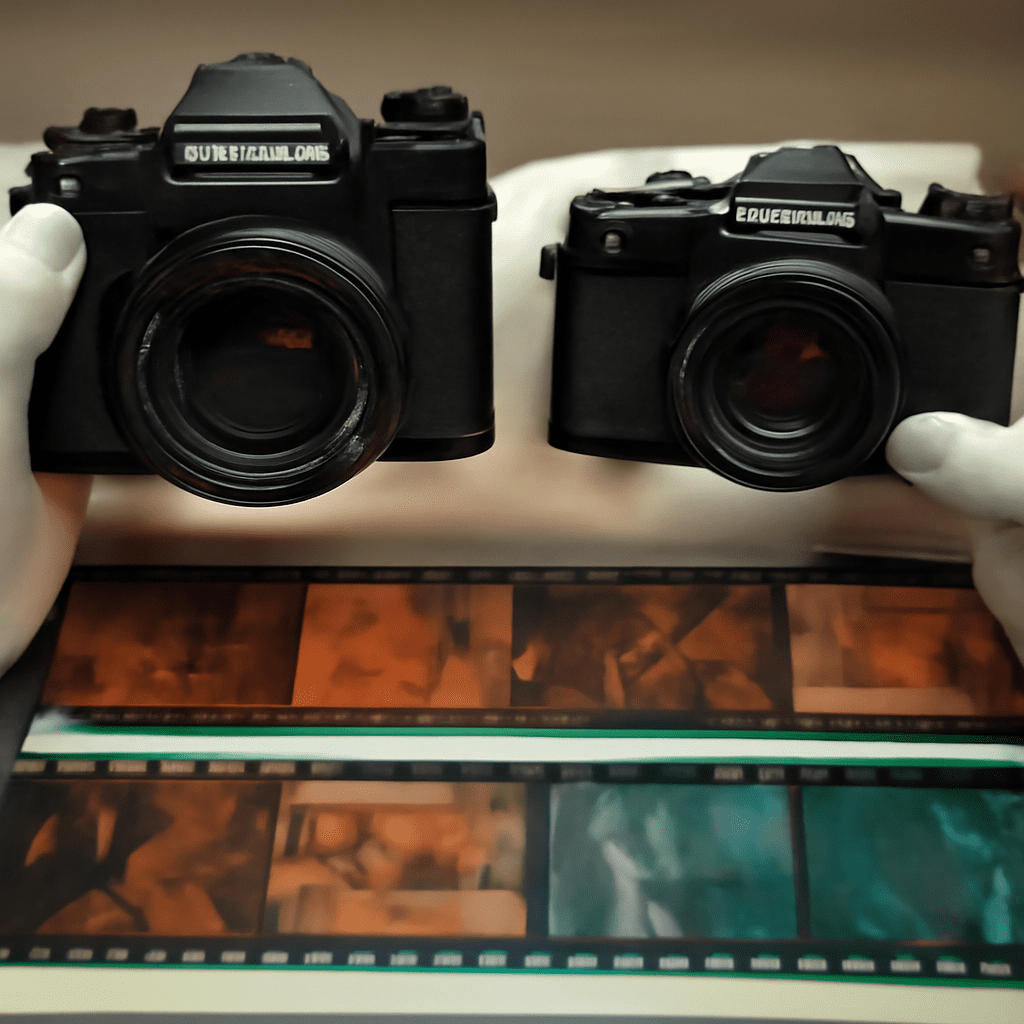
The debate of 35mm film vs digital photography has been alive since digital cameras became mainstream. Each medium offers unique benefits that cater to different photographic needs and creative visions. Are you struggling to decide which path to take—digital vs film photography? This guide will delve into the nuances of each method, helping you make an informed choice about your photography journey.
Understanding the core differences between film photography vs digital photography can significantly impact your artistic and practical outcomes. We’ll explore the evolution, benefits, and drawbacks, so you can confidently choose the medium that best suits your style, whether it’s the tactile charm of 35mm film vs digital photography or the flexibility found in the advantages of digital vs film photography.
Understanding Film vs Digital
History of Film Photography
Film photography has a rich history, dating back to the late 1800s. Over the decades, improvements in emulsion technology and camera design have turned it into an art form revered for its depth and authenticity. The tactile experience of loading a roll of 35mm film, manually adjusting settings, and developing prints in a darkroom offers a tangible connection to the photographic process.
Evolution of Digital Photography
Digital photography, in contrast, emerged in the late 20th century and quickly evolved. It introduced a new realm of possibilities, allowing photographers to instantly review their shots and adjust settings on the fly. Today, digital cameras boast sophisticated sensors and features, effectively bridging technical gaps between film photography vs digital photography.
35mm Film vs Digital: Key Differences
Image Quality Comparison
When comparing 35mm film vs digital photography, image quality is a major factor. Film often captures a broader range of tones and nuances. Its organic grain structure adds character and depth to images. However, digital photography offers superior resolution and sharpness. Modern sensors can produce stunningly detailed images, beneficial when printing large formats.
Cost Considerations
In the debate of digital vs film photography, cost is a recurring theme. Shooting film can be expensive due to purchasing rolls, developing, and printing. On the other hand, digital photography requires upfront costs for equipment like cameras and memory cards but is cost-effective long-term without the need for ongoing consumables.
Advantages of Digital vs Film Photography
Convenience and Accessibility
Digital photography stands out for its convenience. Instant feedback through the camera’s LCD screen allows for quick adjustments and experimentation. This immediacy can significantly enhance learning and creativity compared to the slower feedback loop in film photography vs digital photography.
Post-Processing Flexibility
The advantages of digital vs film photography are evident in post-processing. Digital files are easily manipulated using software like Adobe Lightroom or Photoshop, providing endless possibilities for creative expression. Unlike film, which requires meticulous darkroom work, digital allows for significant alterations without degradation of the original file.
Film Photography vs Digital Photography: Which Is Right for You?
Personal Preferences
Choosing between film photography vs digital photography ultimately comes down to personal preference. If you relish the hands-on process and enjoy the anticipation of developing images, film might be your calling. Alternatively, if you favor convenience and technological integration, digital photography could be more fulfilling.
Use Cases
Consider your typical photographic scenarios. Film may suit artistic projects where texture and mood are paramount. Digital’s adaptability makes it ideal for dynamic environments, such as weddings or sports photography, where rapid shooting and post-processing are beneficial.
Bottom line: Ultimately, your choice between 35mm film vs digital photography hinges on what you value in your creative process. Both mediums offer distinct benefits that can enrich your photographic endeavors. By understanding the advantages of digital vs film photography, you can embrace the medium that aligns with your artistic vision and practical needs.