


Byzantine art style is a compelling blend of religious and cultural influences, forming a unique artistic expression that has fascinated historians and art lovers alike. This style is renowned for its distinctive characteristics, which set it apart from other art movements throughout history. As you delve into this artistic tradition, you’ll discover what makes Byzantine art unique and why it continues to influence modern interpretations of art today.
To fully appreciate this rich heritage, it’s essential to understand the foundational elements that define Byzantine art. From its historical roots to the symbolic nature of its iconography, this exploration provides insight into the Byzantine art style’s enduring legacy. Whether you’re an art student, a history enthusiast, or a casual observer, engaging with this style will expand your appreciation for the role of art in cultural and religious expression.
What is Byzantine Art?
Defining Byzantine Art
Byzantine art refers to the body of Christian Greek artistic products from the Eastern Roman (Byzantine) Empire, spanning from approximately the 4th century to the fall of Constantinople in 1453. This style is distinguished by its use of religious imagery, often created to inspire devotion and reflect the glory of heaven. Its roots lie deep in early Christian art, yet it evolved into a highly sophisticated form that emphasized spiritual themes over physical reality.
Historical Background The Byzantine Empire’s strategic location influenced its artistic development. With Constantinople at the crossroads between East and West, the art of the Byzantine Empire absorbed elements from diverse cultures, including Roman, Greek, and Persian traditions. This fusion resulted in a unique style characterized by its iconic mosaics, frescoes, and illuminated manuscripts. The Byzantine art style was not just prevalent in the empire but also spread to surrounding regions, influencing medieval European art and the Orthodox Christian world.
Key Characteristics of Byzantine Art
Iconography and Symbolism
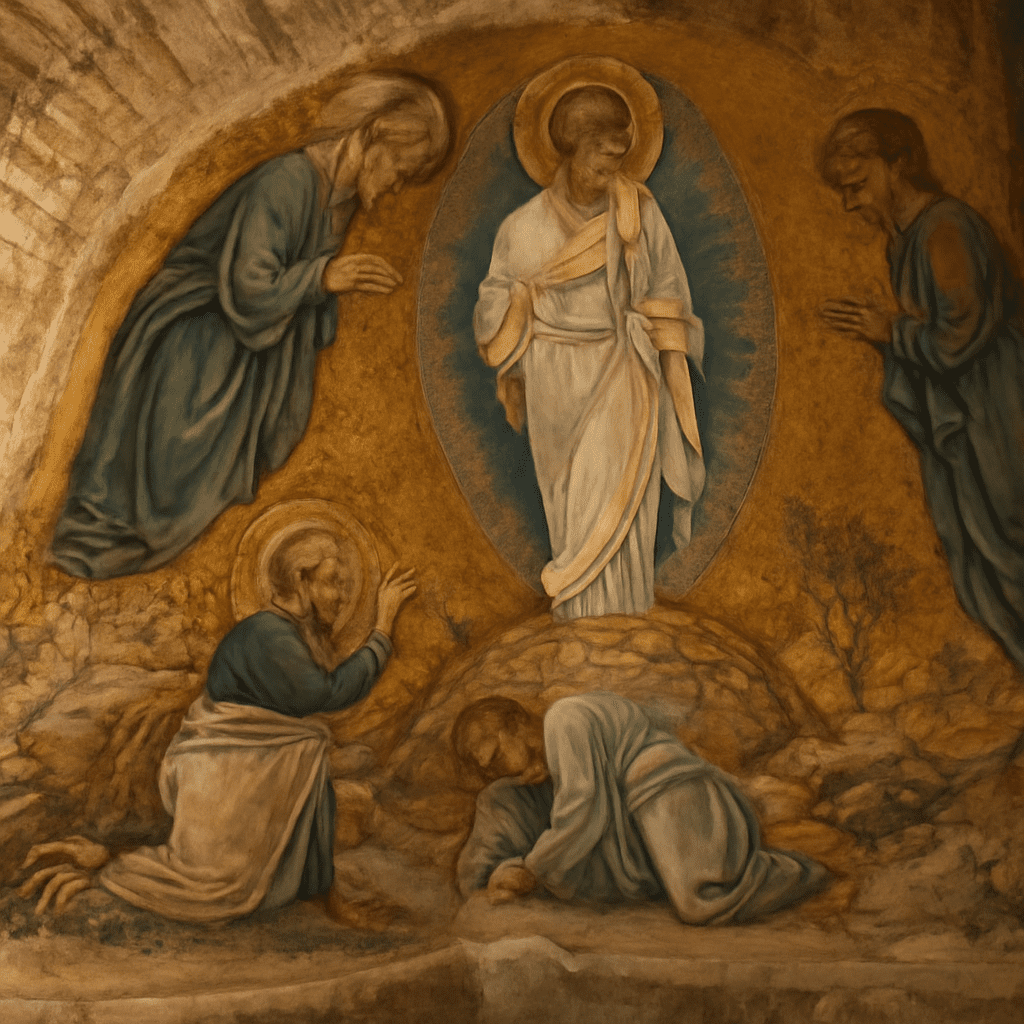
A key feature of Byzantine art is its profound iconography and symbolism. You’ll find that these artworks often depict religious figures, such as Christ, the Virgin Mary, and various saints, rendered with a standardized form to convey spiritual truths. The use of gold backgrounds in mosaics and paintings symbolizes the divine light, creating a heavenly atmosphere that transcends earthly concerns. This symbolic language is a hallmark of what makes Byzantine art unique.
Materials and Techniques Byzantine artists employed a rich array of materials and techniques, showcasing their skill and devotion. Mosaics, made from small pieces of colored glass or stone, adorned the walls of churches and cathedrals, creating vibrant, shimmering depictions of sacred stories. Frescoes allowed for expansive narrative scenes painted on wet plaster, while illuminated manuscripts featured intricate designs on vellum. These techniques not only defined the Byzantine art style but also contributed to its enduring legacy.
Understanding the Byzantine Art Style
Influences and Evolution
The Byzantine art style evolved through various phases, influenced by political, theological, and cultural changes within the empire. As you examine its development, you’ll notice how early Christian influences gradually gave way to more abstract and symbolic forms. This evolution reflects the empire’s shifting dynamics and its response to external pressures, such as the Iconoclast Controversy, which temporarily banned the use of religious images in worship.
Comparisons with Other Art Styles When comparing Byzantine art with other styles, such as Romanesque or Gothic, you’ll see stark differences in form and purpose. Byzantine art prioritizes spiritual expression over naturalism, contrasting with the more human-centric focus of the Renaissance. Its emphasis on flat, frontal figures with formal poses highlights the transcendence of divine subjects, setting it apart from other artistic movements. This comparison underscores the distinctive characteristics that make Byzantine art a fascinating study.
Exploring Byzantine Style Art Today
Modern Interpretations
In today’s art world, the influence of Byzantine art can still be seen in various forms, from contemporary icons to modern artworks inspired by its techniques and themes. Artists and illustrators often draw on its rich symbolism and formal elements to create works that resonate with spiritual and cultural significance. By engaging with these modern interpretations, you can appreciate how Byzantine art continues to inspire and inform artistic practice.
Where to See Byzantine Art To experience Byzantine style art firsthand, you can visit historical sites and museums across the globe. Notable collections can be found in the Hagia Sophia in Istanbul, the Basilica di San Marco in Venice, and the Byzantine and Christian Museum in Athens. These locations offer a glimpse into the grandeur of Byzantine art and its lasting impact on world heritage. Exploring these sites provides a tangible connection to an art style that has shaped artistic expression for centuries.
Next Steps
As you continue your exploration of Byzantine art, consider how its themes and techniques might inspire your own creative endeavors. Whether you’re practicing icon painting or incorporating its symbolic elements into your art, engaging with this style can enrich your understanding and appreciation of historic and modern art forms. By studying Byzantine art, you not only connect with a profound artistic legacy but also contribute to its ongoing narrative.