



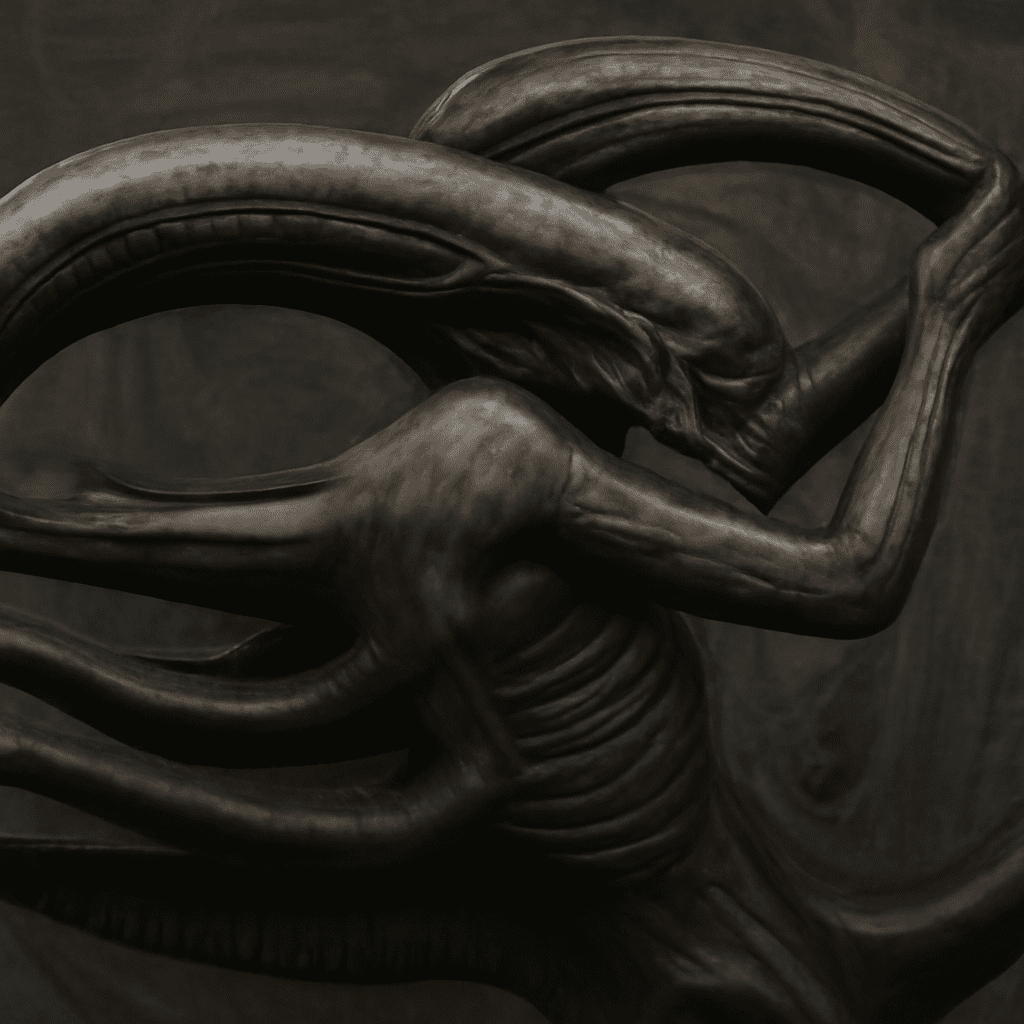
HR Giger art is renowned for its hauntingly surreal and otherworldly qualities, captivating audiences around the globe. From the eerie landscapes of his paintings to the iconic designs in popular films, Giger artwork stands out as a testament to his unique vision and technical prowess. As we delve into the origins and characteristics of Giger art, you will uncover the elements that make it a cornerstone in the world of surrealism and illustration.
For those intrigued by the evolution of modern art, exploring the enigmatic world of HR Giger offers a fascinating insight into the mind of a visionary artist. Whether you are a seasoned art enthusiast or a curious newcomer, understanding Giger’s influence on contemporary culture will enrich your appreciation of the art scene today.
The Origins of HR Giger Art
The origins of HR Giger art trace back to the artist’s childhood in Chur, Switzerland. Born in 1940, Hans Ruedi Giger developed an early fascination with the macabre and the mechanical, themes that would later define his career. Giger’s formal training at the School of Applied Arts in Zurich provided him with the foundation to marry technical skill with his unique imagination. This blend of precision and creativity led to the development of the iconic Giger artwork that would captivate the art world.
His early works, influenced by the stark landscapes of his surroundings and his interest in surrealism, began to gain attention in the late 1960s. As Giger’s style evolved, he delved deeper into the realms of biomorphism and science fiction, creating a distinctive aesthetic that blurred the lines between biology and technology.
Characteristics of Giger Art
What makes Giger art unique is its seamless fusion of organic and mechanical elements, often described as “biomechanical.” This style is characterized by intricate details, fluid lines, and a monochromatic palette that evokes a sense of unease and curiosity. The figures in Giger artwork frequently appear as hybrids of machine and flesh, suggesting a dystopian future where technology and biology are indistinguishable.
In addition to his biomechanical motifs, Giger’s use of airbrushing techniques lends a smooth and surreal quality to his pieces, enhancing their otherworldly feel. The recurring themes of birth, death, and rebirth in his work reflect his exploration of the human condition and the darker aspects of existence.
Iconic HR Giger Artwork
Among the most iconic HR Giger artwork is his design work for the 1979 film “Alien,” which earned him an Academy Award for Best Visual Effects. The film’s Xenomorph creature, a fusion of skeletal forms and mechanical structures, has become a cultural icon, embodying the essence of Giger’s artistic vision. This project cemented Giger’s place in the annals of cinematic history and introduced his unique style to a broader audience.
Beyond cinema, Giger’s “Necronomicon” series, a collection of mystical and foreboding images, showcases the depth of his imagination. These works, with their elaborate and often disturbing imagery, highlight the artist’s ability to tap into the subconscious and challenge the viewer’s perception of reality.
The Influence of Giger Artwork on Modern Culture
Giger artwork has had a profound impact on modern culture, influencing a wide array of media from film to video games and music. The surreal and often dystopian aesthetic of Giger art has inspired countless artists and designers, who draw upon his vision to create immersive worlds in their own work.
In the music industry, bands such as Emerson, Lake & Palmer and Korn have collaborated with Giger for album artwork, further cementing his influence across different creative domains. The distinctive style of HR Giger art resonates with audiences seeking to explore themes of existentialism and the dark interplay between humanity and technology.
Where to Experience H. R. Giger Art
Experiencing HR Giger art firsthand offers an unparalleled opportunity to engage with the artist’s hauntingly beautiful creations. The HR Giger Museum in Gruyères, Switzerland, houses the most extensive collection of his work, providing a comprehensive look at his artistic journey. The museum’s immersive environment allows visitors to step into Giger’s fantastical world and witness the evolution of his style.
Additionally, galleries and exhibitions worldwide frequently showcase Giger’s pieces, allowing art enthusiasts to appreciate the intricacies and depth of his work. Whether visiting a dedicated museum or a traveling exhibit, immersing yourself in Giger’s art is an experience that leaves a lasting impression.
Safety Recap: When exploring art that delves into darker themes, such as Giger’s, it’s essential to engage with the material thoughtfully and consider your emotional response. Allow yourself time to reflect on the imagery and themes, ensuring a balanced and enriching experience.