
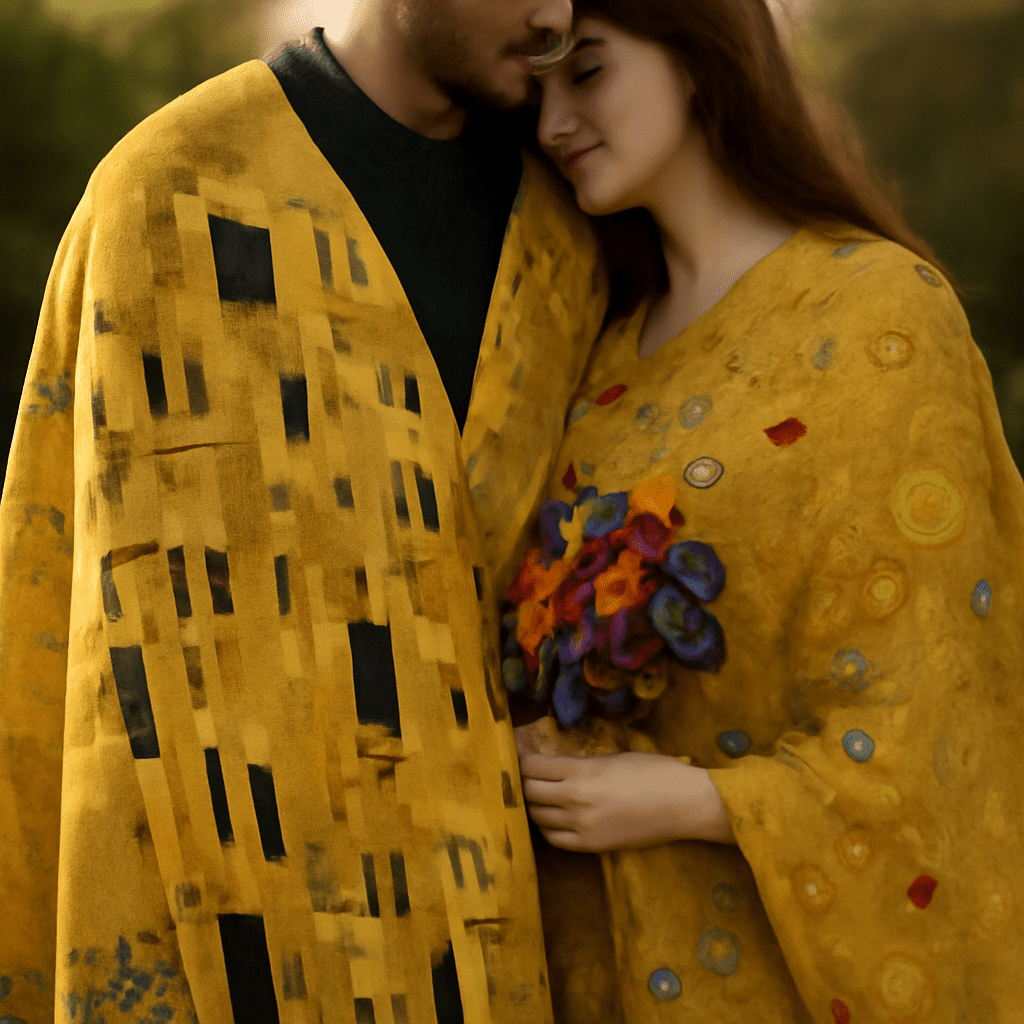
The world of art is often a reflection of human emotions, and few paintings capture the essence of love as powerfully as The Kiss Gustav Klimt crafted. This masterpiece, widely recognized for its passionate embrace, invites viewers into a world where intimacy and art converge. If you’ve ever wondered what makes The Kiss Painting so captivating, you’re not alone. Through a blend of rich symbolism and innovative techniques, Klimt’s work stands as a testament to the enduring power of art to evoke deep emotional responses.
Understanding the genius behind The Kiss Klimt requires more than a mere glance at its gilded surface. It involves delving into the intricate layers of meaning and the historical milieu that influenced its creation. By exploring these elements, you can gain a profound appreciation for Gustav Klimt The Kiss and its place in art history.
Introduction to The Kiss Painting
Painted by Gustav Klimt in the early 20th century, The Kiss is a masterpiece that combines elements of symbolism, eroticism, and the decorative arts. You are immediately drawn to its shimmering gold leaf, which is juxtaposed with intricate patterns and the warm embrace of the lovers. This piece is often seen as the epitome of Klimt’s “Golden Phase,” a period marked by extensive use of gold in his works.
The painting’s enduring appeal lies in its ability to convey universal themes of love and passion. It transcends cultural and temporal boundaries, allowing you to connect with its emotional depth regardless of your background.
The Historical Context of The Kiss Klimt
In the early 1900s, Vienna was a hub of intellectual and artistic activity. This vibrant cityscape provided fertile ground for The Kiss Klimt. The painting was created during a time when Klimt was heavily influenced by the Vienna Secession, an art movement that sought to break away from traditional artistic conventions.
As you explore this context, consider how Klimt’s work reflected the broader cultural and societal shifts of the time. The embrace depicted in The Kiss can be seen as a metaphor for the merging of old and new ideas, encapsulating the tension and harmony present in turn-of-the-century Vienna.
Analyzing the Artistic Techniques
Klimt’s use of gold leaf in The Kiss Painting is one of its most distinguishing features. This technique, inspired by Byzantine mosaics, adds a luminous quality that captivates the viewer. When examining the painting, you notice how the gold interacts with the figures, creating a halo effect that enhances the sacredness of the moment.
Beyond the gold, Klimt employs a variety of patterns and textures. The juxtaposition of these elements creates a dynamic composition that invites you to linger and explore its details. By blending realistic figures with abstract forms, Klimt challenges your perception, encouraging a deeper engagement with the art.
Symbolism in Gustav Klimt The Kiss
Every element of Gustav Klimt The Kiss is imbued with symbolism. The male figure, adorned with geometric patterns, contrasts with the floral motifs surrounding the female figure, suggesting a harmonious balance between masculine and feminine energies. As you interpret these symbols, you uncover layers of meaning that enhance your understanding of the painting.
The use of a golden background can be seen as a nod to eternity, suggesting that the love depicted transcends time. This symbolism resonates with viewers, allowing you to project your own experiences and emotions onto the scene.
The Legacy and Influence of The Kiss Gustav
The impact of The Kiss Gustav extends far beyond its initial reception. It has become an icon of romantic art, influencing countless artists and appearing in various media. When you consider its legacy, think about how its themes are still relevant today, serving as a source of inspiration for modern creatives.
The painting’s influence can also be seen in the way it has shaped public perceptions of art. By appealing directly to the emotions, The Kiss challenges you to reconsider what you value in artistic expression, encouraging a more personal connection with visual art.
Where to View The Kiss Painting Today
If you wish to experience The Kiss Painting in person, you can visit the Österreichische Galerie Belvedere in Vienna, where it proudly resides. Standing before the painting, you are enveloped in its grandeur, allowing you to appreciate the subtleties that reproductions fail to capture.
The museum setting provides an opportunity to engage with the painting in a new way, inviting you to consider its place within the broader context of Klimt’s work and the art world as a whole. Viewing the piece in person offers a tangible connection to history and a deeper understanding of its cultural significance.