


When you gaze at Vincent van Gogh’s Almond Blossom, you’re immediately drawn to the vibrant blue background and delicate white petals, which create a sense of harmony and hope. Yet, beneath its beauty lies a profound story of personal renewal and familial connection. This painting not only showcases van Gogh’s unique artistic style but also encapsulates a deep symbolism that resonates throughout art history.
In an era when van Gogh was grappling with inner turmoil, his creation of Almond Blossom represents a moment of clarity and peace. This masterpiece is a testament to the transformative power of nature and serves as a beacon of inspiration to many. Let’s delve into the layers of meaning and history woven into this iconic artwork.
The Inspiration Behind Almond Blossom
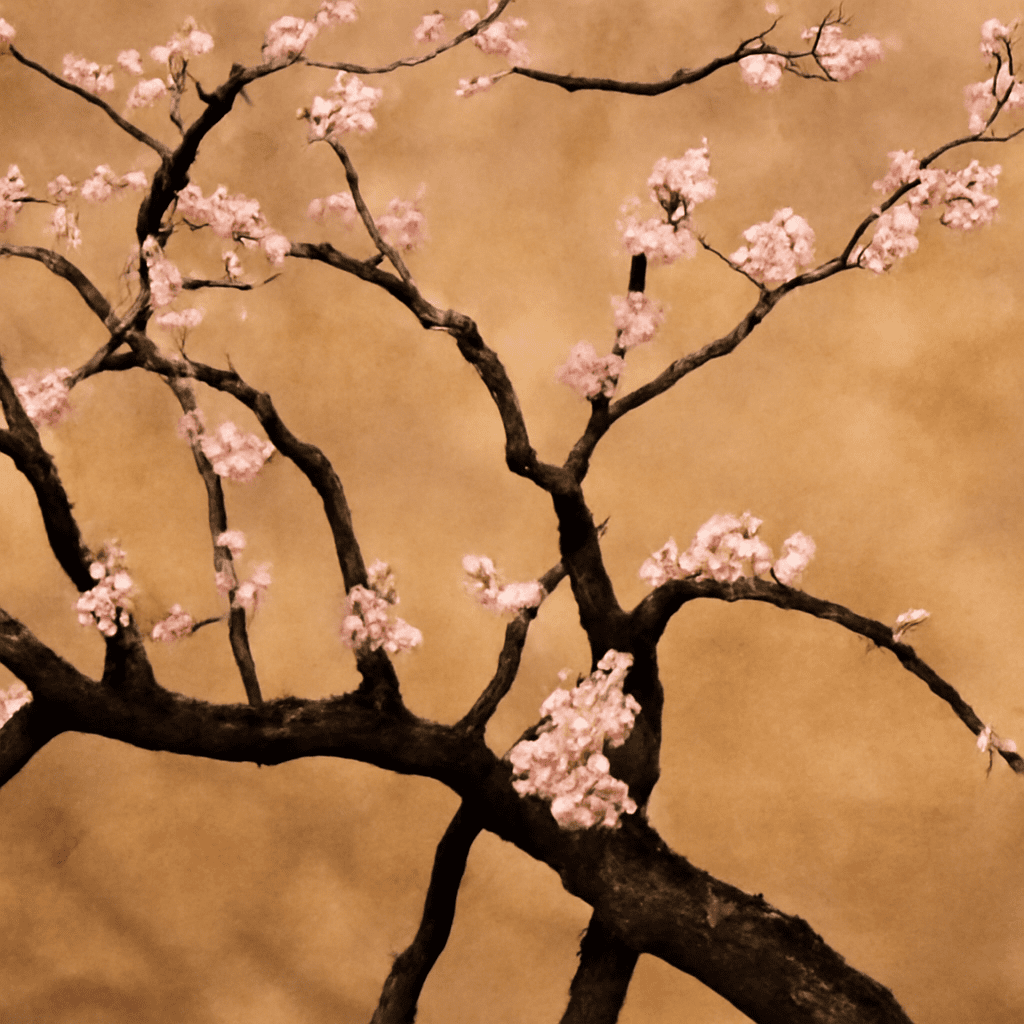
Van Gogh painted Almond Blossom in 1890 as a gift for his newborn nephew, Vincent Willem. The blossoming almond branches symbolize new life and the arrival of spring, a fitting tribute for the child’s entrance into the world. Van Gogh found inspiration in the landscapes of Arles, where almond trees bloom early in the season, heralding change and new beginnings.
This period in van Gogh’s life was marked by a mixture of hope and despair. Despite the challenges he faced, the creation of Almond Blossom reflects his deep love for nature and family. The painting’s vibrant colors and dynamic composition convey a sense of optimism and renewal.
Vincent van Gogh’s Unique Style
Van Gogh’s distinctive approach to painting is vividly displayed in Almond Blossom. His use of bold colors and expressive brushstrokes creates a lively and textured surface. The contrast between the soft, blooming flowers and the intense blue sky exemplifies his skill in balancing color and form.
Characterized by its spontaneous and emotive technique, Almond Blossom captures the essence of van Gogh’s style. His ability to infuse emotion into every stroke makes his work both timeless and deeply personal. Through his unique approach, van Gogh invites you to experience the same sense of wonder and joy that he felt while painting.
Symbolism in Almond Blossom
Beyond its aesthetic appeal, Almond Blossom is rich in symbolism. The almond tree, one of the first to bloom in spring, signifies awakening and new beginnings. For van Gogh, it represented hope and the renewal of life, mirroring his own search for stability and peace.
The choice of subject also reflects van Gogh’s admiration for Japanese art, particularly the ukiyo-e prints that influenced his work. The simplicity and elegance of the almond branches echo the minimalistic beauty found in Japanese designs, adding another layer of meaning to the painting.
Almond Blossom’s Impact on Art History
Almond Blossom has left an indelible mark on art history. Its integration of personal symbolism with universal themes of growth and renewal has inspired countless artists. The painting stands out as a shining example of van Gogh’s ability to convey profound emotion through nature.
As art movements evolved, Almond Blossom continued to influence both contemporaries and future generations. Its timeless appeal lies in its ability to connect deeply with viewers, transcending time and culture. Van Gogh’s work opened new pathways for artistic expression, encouraging others to explore personal and emotional subjects.
Where to See Almond Blossom Today
If you’re eager to see Almond Blossom in person, it resides in the Van Gogh Museum in Amsterdam. This institution houses the world’s largest collection of van Gogh’s works, offering a unique opportunity to explore his artistic journey. The painting’s presence in the museum allows you to fully appreciate its intricate details and vibrant color scheme.
The museum provides insights into van Gogh’s life and the factors that shaped his extraordinary career. Visiting the collection, you can gain a deeper understanding of his artistic evolution and the legacy he left behind.
Bottom line: Van Gogh’s Almond Blossom is more than a beautiful painting; it’s a symbol of hope, renewal, and the enduring power of art. Its vibrant colors and profound symbolism continue to inspire and captivate audiences around the world. Whether you’re an art enthusiast or a casual observer, this masterpiece offers a glimpse into van Gogh’s soul and the timeless beauty of nature.