

In the world of design, the 7 principles of art serve as the foundational guidelines that artists and designers use to create visually appealing work. One of the key elements among these is shape, a fundamental building block that defines form and structure in art. By leveraging the art definition of shape, artists can craft compelling visuals that resonate with viewers, providing depth and meaning. This article delves into the significance of shape, illustrating its role and application in art and design.
Shape is not merely a component of design but a crucial element that impacts how art is perceived. Examples of shape in art demonstrate the versatility and potential of this element in creating intricate patterns and compositions. By understanding the dynamics of shape, you can unlock new dimensions in your creative projects, making them not only aesthetically pleasing but also meaningful.
Understanding the Element of Art Shape
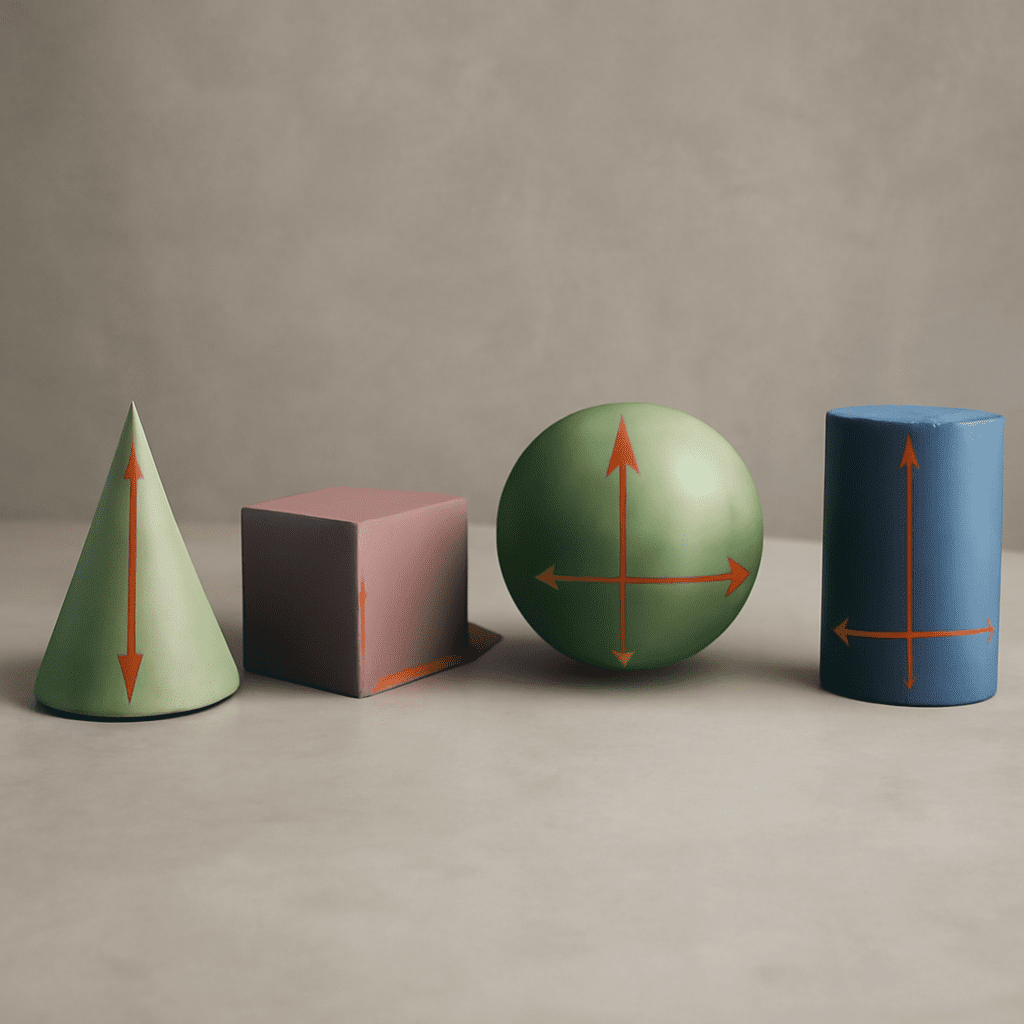
Art Definition of Shape The art definition of shape refers to a two-dimensional, flat representation of form, typically defined by lines or contrasts in color or texture. Shapes can be geometric, such as squares and circles, or organic, resembling natural forms and structures. This aspect of art is crucial in establishing the initial impression and guiding the viewer’s focus within a composition.
Exploring various shapes allows you to experiment with the boundaries of creativity. Whether you’re drawing from nature or conceptualizing abstract forms, understanding shape creates a foundation for artistic expression. As you master the use of shapes, your work gains clarity and intention, inviting viewers into an immersive visual experience.
Examples of Shape in Art
Examples of shape in art can be found across a wide spectrum of styles and movements. From the bold geometric forms of Cubism to the organic shapes in Art Nouveau, each style harnesses shape to convey a unique aesthetic and message. The juxtaposition of different shapes creates contrast and harmony, adding layers of complexity to the artwork.
Consider how the combination of various shapes can evoke different emotions or narratives. By rearranging shapes or altering their scale, you can guide the viewer’s journey through your work, highlighting certain elements while subduing others. This dynamic use of shape can transform a simple composition into a profound statement.
Exploring the 7 Principles of Art
How Shape Fits Within the Principles The 7 principles of art include balance, contrast, emphasis, movement, pattern, rhythm, and unity. Shape plays a pivotal role in each of these principles by influencing the overall structure of a piece. For instance, balance is achieved when shapes are distributed harmoniously, creating a sense of stability.
Contrast and emphasis are heightened through the strategic use of different shapes. By employing a dominant shape against a backdrop of subtler forms, you can draw attention to specific areas, guiding the viewer’s gaze. This interplay of forms not only enhances visual interest but also reinforces the narrative flow of the artwork.
Enhancing Art Through Shape
Enhancing art through shape involves thoughtful consideration of how forms interact within a composition. By integrating both geometric and organic forms, you can create visual tension and drama. This dynamic can add depth and intrigue, encouraging viewers to explore the nuances of your work.
Shape also contributes to the rhythm and pattern within art. Repeating shapes can establish a sense of movement, leading the viewer’s eye through the artwork in a deliberate manner. This orchestrated journey emphasizes the cohesion and unity of the piece, highlighting the mastery of composition.
Practical Applications and Examples
Creating Art with Shape Creating art with shape requires not only an understanding of form but also the ability to see beyond conventional boundaries. Experimenting with shapes enables you to push the limits of design, crafting unique visuals that captivate and inspire. Whether through sketching, painting, or digital design, shape serves as a versatile tool in your creative arsenal.
By manipulating shapes, you can transform a blank canvas into a vibrant tapestry of interconnected forms. This process involves trial and error, as well as a keen eye for detail. As you refine your skills, you’ll discover new ways to express ideas and emotions through the deliberate arrangement of shapes.
Case Studies of Shape in Famous Artworks
Case studies of shape in famous artworks offer valuable insights into the effective use of this element. Consider Pablo Picasso’s “Les Demoiselles d’Avignon,” where geometric forms convey tension and fragmentation. The painting’s use of shape challenges traditional perspectives, inviting viewers to engage with the art on multiple levels.
Similarly, Henri Matisse’s cut-outs illustrate the power of organic shapes. By simplifying forms, Matisse created compositions that are both bold and fluid, capturing the essence of movement and vitality. Analyzing these artworks provides inspiration and understanding of how shape can define and elevate artistic expression.
The bottom line: Mastering the element of shape empowers you to create art that is both impactful and visually compelling. By integrating shape with the 7 principles of art, you can elevate your designs, crafting works that resonate with clarity and purpose. Embrace the possibilities of shape, and watch your creative expressions flourish.