
For centuries, Celtic imagery has captivated the world with its complexity and beauty. However, understanding the stories behind these intricate designs can be daunting. Irish symbols hold deep cultural significance, weaving a narrative that connects history, artistry, and identity. By exploring the meanings behind Celtic markings, you can unlock a realm of creativity that enriches both personal and professional design projects.
With a foundation in Celtic symbology, you can enhance your design skills and create works that resonate with timeless cultural heritage. From the symbolic triquetra to the intricate knotwork, each element of Celtic design offers a unique story and purpose. This exploration of Celtic imagery will empower your creative journey, allowing you to incorporate these ancient motifs into modern art effectively.
Understanding the Significance of Irish Symbols
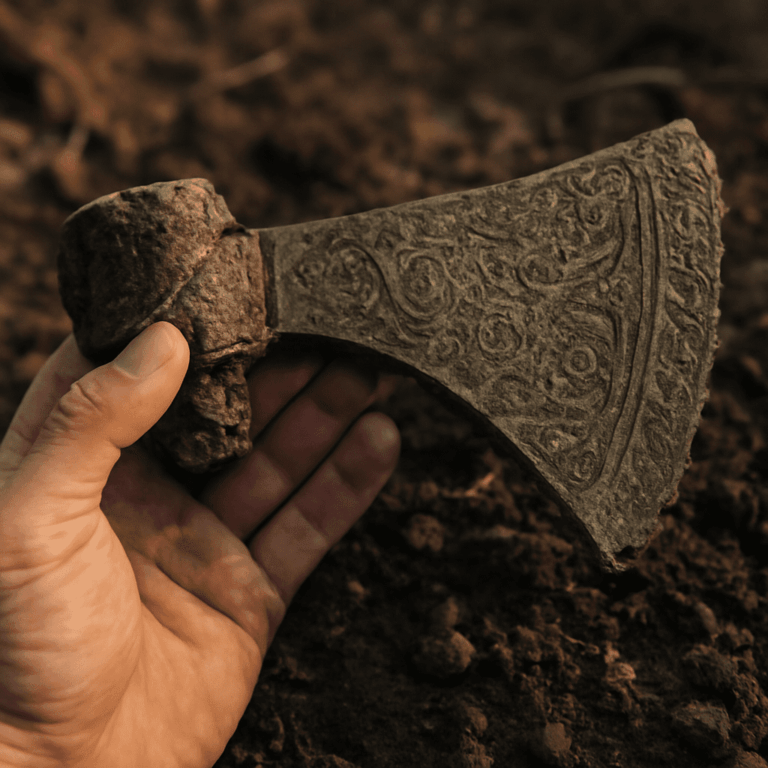
A Brief History of Celtic Imagery Celtic imagery dates back to ancient civilizations in Ireland and surrounding regions. These symbols were not merely decorative but served as representations of spiritual beliefs, social status, and familial ties. Throughout history, Irish symbols have evolved, yet they retain their mystical allure, capturing the essence of Celtic culture.
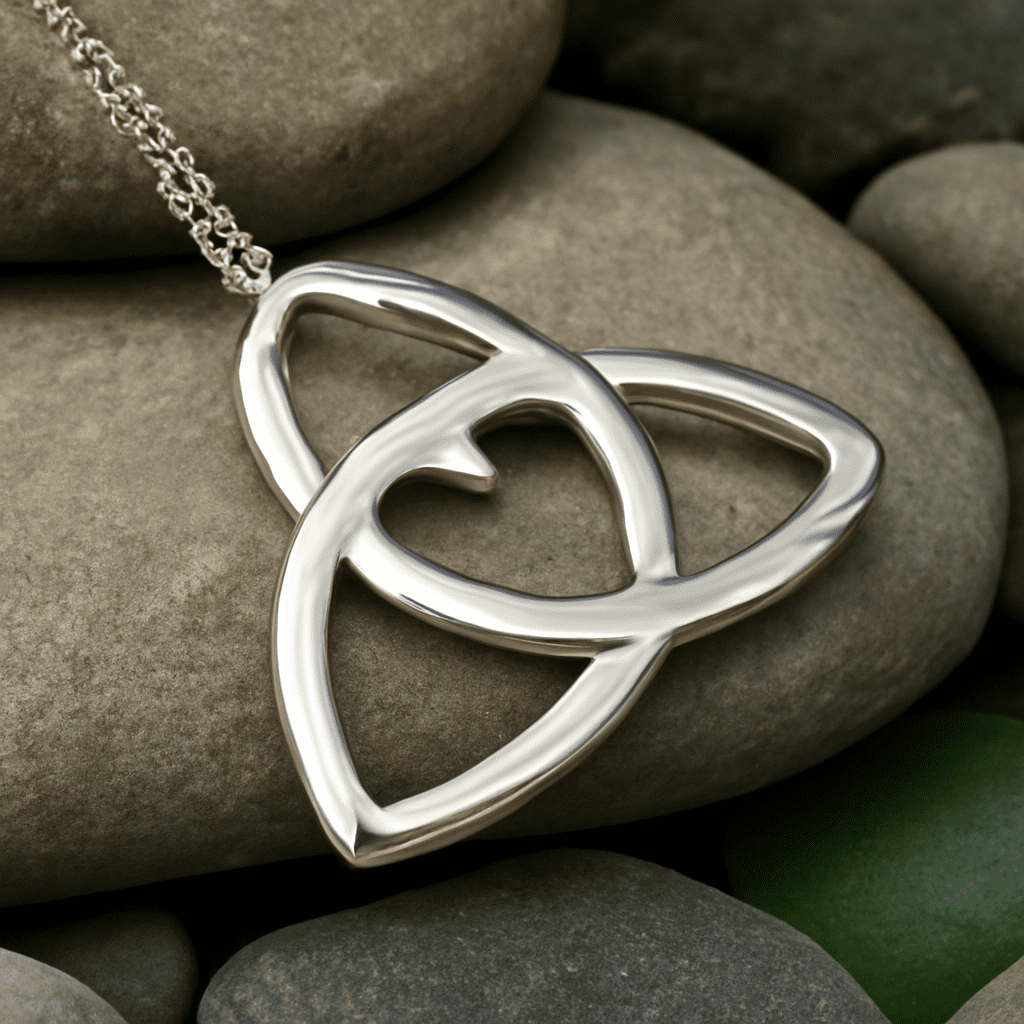
The triquetra, for instance, is one of the most recognized symbols, often representing the interconnectedness of earth, sea, and sky. These ancient symbols remain a testament to the rich tapestry of Celtic history, offering insights into the values and worldview of early Irish societies.
The Role of Celtic Markings in Culture
Celtic markings play a significant role in cultural rituals and personal expression. From tattoos to jewelry, these symbols are used to convey identity and beliefs. The symbolism extends beyond personal decoration, often seen in architecture and public art, serving as a connection to Irish heritage and tradition.
By understanding Celtic markings, you gain a deeper appreciation for their cultural impact. These symbols are not static; they evolve with time, yet their core significance remains intact, bridging the past with the present in a continuous cultural narrative.
Exploring Various Celtic Symbols and Their Meanings
Common Celtic Symbols Explained A journey into Celtic symbology reveals a world of meanings, each symbol telling a unique story. The Claddagh represents love, loyalty, and friendship, while the spiral signifies growth and progress. Such symbols are deeply ingrained in Irish culture, each holding a distinct meaning that transcends time.
The Celtic cross, perhaps one of the most well-known, merges Christian and pagan elements, symbolizing unity and eternity. Understanding these symbols enhances your ability to incorporate them into designs, ensuring that your work resonates with cultural and historical depth.
The Intricate Art of Celtic Symbology
The art of Celtic symbology is characterized by intricate patterns and interwoven lines. This complexity is not merely for aesthetic appeal but reflects profound spiritual and philosophical concepts. The knotwork, for example, symbolizes the interconnectedness of life and eternity.
When delving into Celtic symbology, attention to detail is crucial. Each knot and curve is imbued with meaning, offering a rich tapestry of artistic expression. This intricate symbology provides endless inspiration for designers seeking to create art that is both beautiful and meaningful.
Incorporating Celtic Designs in Modern Art
How to Draw Celtic Symbols
Creating your own Celtic symbols begins with understanding their basic forms. Start with simple shapes and gradually build complexity by interweaving lines and adding curves. Practice is key; the more you draw, the more you will appreciate the balance and symmetry inherent in these designs.
Use guides and templates as a foundation, but allow your creativity to flow. Experiment with variations and remember that each line should connect seamlessly, reflecting the unity and continuity that defines Celtic artistry.
Tips for Using Celtic Imagery in Designs
Incorporating Celtic imagery into modern design requires a thoughtful approach. Consider the cultural significance and ensure that the symbols align with the intended message of your work. Whether you’re designing a logo or creating a piece of art, authenticity is paramount.
Experiment with color and texture to enhance the visual appeal of your designs. Celtic imagery can be both bold and subtle, depending on the context. Use it to evoke emotion and create a sense of connection, drawing on the timeless beauty of these ancient symbols.
Bottom line: Embracing Celtic imagery in your design work offers a pathway to rich cultural expression. By understanding the meanings behind these ancient symbols and incorporating them thoughtfully, you create art that honors tradition while engaging contemporary audiences. Dive deep into the world of Celtic design, and let it inspire your creative journey.