

In the realm of digital media and design, the conversion of 8.5 x 11 to pixels is a fundamental skill that can significantly impact the quality of your projects. When you understand how to convert 8×11 in pixels, you can ensure that your visuals align precisely with intended formats, delivering both crisp clarity and professional appeal. By mastering the pixels of 8.5 x 11, you optimize your media projects, making them suitable for both print and digital platforms.
Converting these dimensions involves not just a simple mathematical calculation, but an understanding of resolution and pixel density. As you delve into the intricacies of 8.5 x 11 to pixels, this knowledge becomes a powerful tool, enabling you to troubleshoot common issues and enhance your media designs effectively.
Introduction to 8.5 x 11 Pixel Dimensions
Why Understanding Pixels Matters
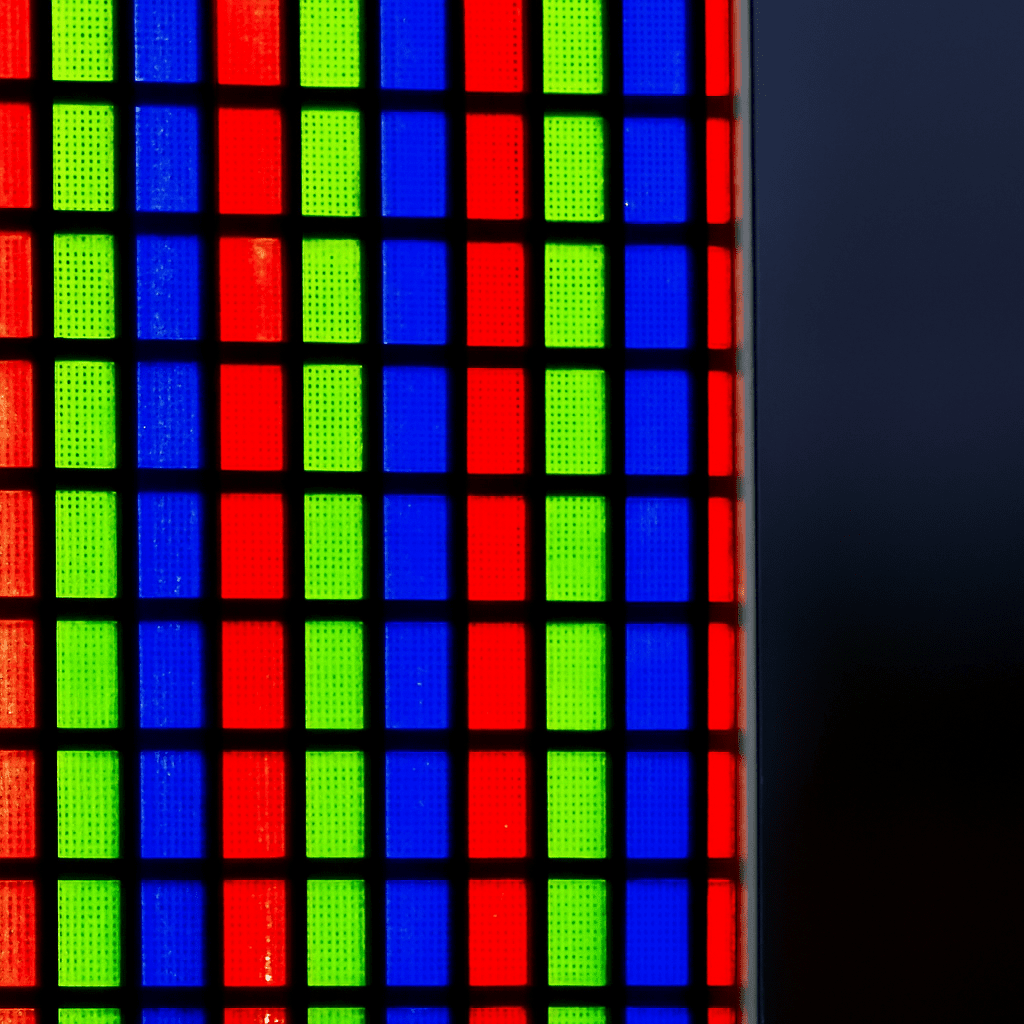
Pixels serve as the building blocks of digital images. Understanding 8.5 x 11 in pixel dimensions is crucial, especially if you’re a designer or media professional. Pixels define the resolution and quality of images, impacting how they appear on various screens and print formats. Knowing how to convert 8×11 in pixels allows you to tailor your designs for specific media outputs, ensuring they look sharp and professional.
Common Uses for 8.5 x 11 in Media
The dimensions of 8.5 x 11 are standard for many documents, such as letters and flyers. Consequently, converting these to pixels is frequently required when creating digital versions of these print materials. Whether you are developing digital flyers or designing web pages, understanding the pixels of 8.5 x 11 is necessary to maintain consistency across different formats.
How to Convert 8.5 x 11 to Pixels
Calculating 8×11 in Pixels
To convert 8.5 x 11 to pixels, you first need to decide on the resolution, typically in dots per inch (DPI). Common resolutions are 300 DPI for print and 72 DPI for digital screens. For instance, at 300 DPI, an 8.5 x 11 document converts to 2550 x 3300 pixels. Understanding how to convert 8×11 in pixels involves multiplying the inches by the DPI, ensuring the pixel dimensions match the intended use.
Tools for Conversion
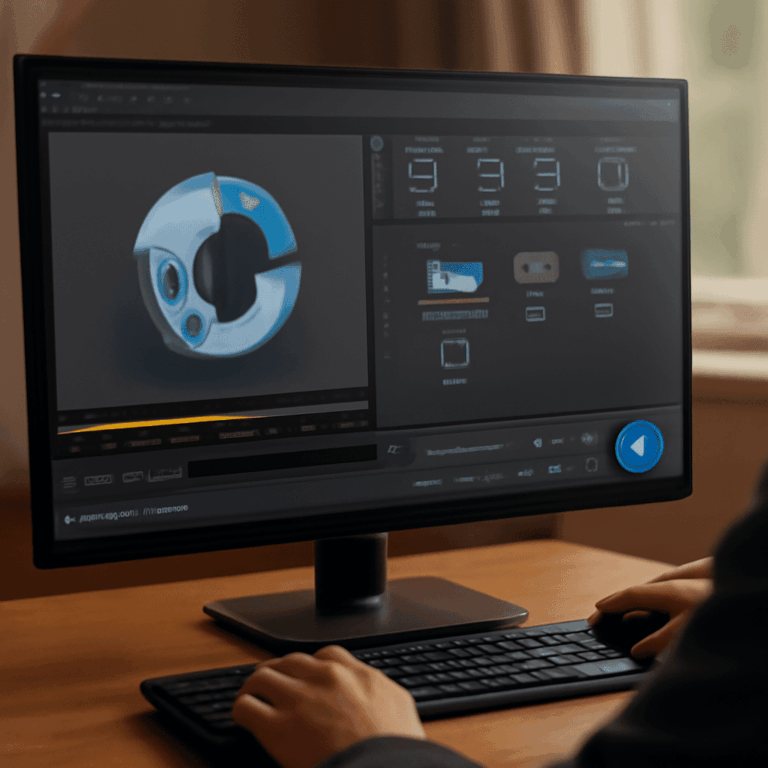
Various tools can assist in converting 8.5 x 11 to pixels accurately. Software like Adobe Photoshop offers straightforward options to set dimensions in pixels when opening a new project. Online calculators also provide quick conversions, making it easy to determine 8×11 in pixel format without manual calculations. These tools streamline the process, ensuring that your designs are perfectly suited for both print and digital media.
Applications of 8.5 x 11 in Pixels
Designing with Pixels of 8.5 x 11
Designing with 8.5 x 11 dimensions in pixels requires precision. When adjusted correctly, these pixels ensure that your designs are accurately represented across different platforms. Whether you’re working on a digital poster or a print brochure, understanding the specific pixels of 8.5 x 11 enables you to create visuals that are both visually appealing and technically sound.
Optimizing Media for Print and Digital
Optimizing media involves adjusting pixel dimensions to suit print and digital requirements. For print, using 300 DPI ensures that the details are crisp, while digital media may require fewer pixels to cater to screen resolutions. By mastering the conversion of 8.5 x 11 to pixels, you can adapt your designs seamlessly, enhancing the overall effectiveness of your media projects.
Troubleshooting Common Issues
Pixel Conversion Mistakes to Avoid
When converting 8.5 x 11 to pixels, common mistakes include miscalculating DPI or failing to adjust for specific media formats. These errors can lead to blurry images or disproportionate designs. To avoid such pitfalls, double-check your calculations and use reliable tools to determine the precise pixels of 8.5 x 11. This diligence ensures that your media outputs are both visually and technically perfect.
Conclusion: Mastering Media Dimensions
By understanding and effectively converting 8.5 x 11 to pixels, you enhance your ability to produce high-quality media designs. This knowledge not only streamlines your workflow but also ensures that your projects meet professional standards across both print and digital platforms. As you apply these techniques consistently, you develop a keen eye for media dimensions, enhancing your overall design proficiency.