

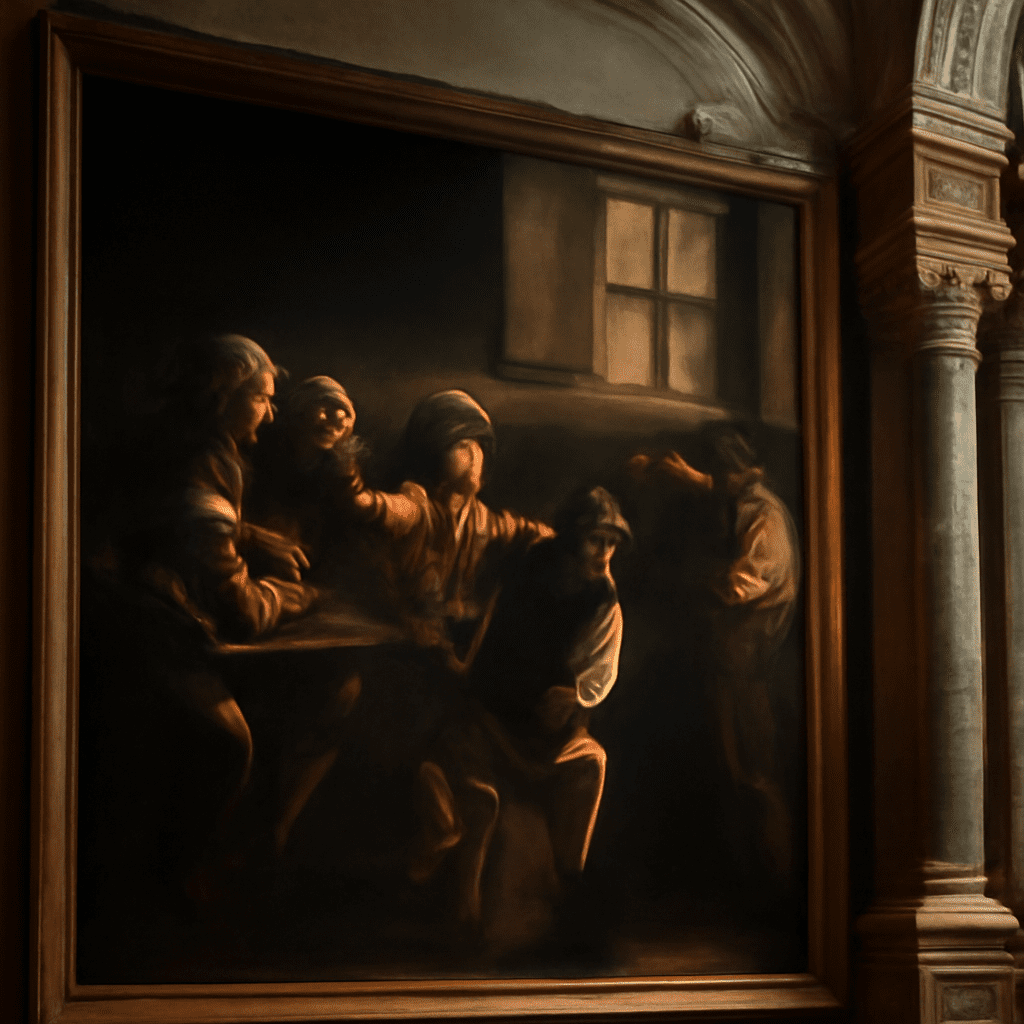
The Calling of Saint Matthew Caravaggio is a striking depiction of a pivotal biblical scene, showcasing the artist’s mastery of light and shadow to convey powerful emotions. This work, created by the renowned artist Caravaggio, captures a moment of divine intervention with remarkable realism and intensity. As you delve into the world of Caravaggio, you will uncover the profound layers of meaning and artistic innovation within this masterpiece.
In exploring Caravaggio Calling of Saint Matthew, you will gain insight into his unique style that revolutionized the art world. Through analyzing the Calling of St Matthew Caravaggio, you can appreciate how Caravaggio’s technique of chiaroscuro enhances the narrative and emotional impact. Join us as we journey through the history, composition, and enduring legacy of this extraordinary painting.
Understanding the Calling of Saint Matthew Caravaggio
Historical Context
The Calling of Saint Matthew Caravaggio, painted between 1599 and 1600, is housed in the Contarelli Chapel of the San Luigi dei Francesi in Rome. This period marked a significant shift in art towards naturalism and dramatic expression, spearheaded by Caravaggio. His approach challenged the idealized representations of the Renaissance with vivid realism and emotional depth.
Caravaggio’s Unique Style
Caravaggio’s distinct style is evident in the Calling of Saint Matthew through his use of dramatic lighting and realistic figures. The artist’s technique, known as chiaroscuro, involves the stark contrast between light and dark to create volume and tension. This method draws you into the scene, inviting contemplation on the spiritual awakening of Saint Matthew.
Analyzing the Composition and Techniques
Use of Light and Shadow
In the Calling of St Matthew Caravaggio, light plays a crucial role in directing your focus. The beam of light from an unseen source highlights Christ and Saint Matthew, symbolizing divine presence and guidance. This interplay of illumination and shadow not only enhances the composition but also emphasizes the painting’s narrative power.
Symbolism and Interpretation
The symbolism within the Calling of St Matthew is rich and thought-provoking. Caravaggio uses everyday settings and attire to make the biblical scene relatable. The pointing hand of Christ, reminiscent of Michelangelo’s Creation of Adam, signifies calling and destiny. You are invited to interpret the nuances of this gesture and its impact on the awakening of faith in Saint Matthew.
The Impact and Legacy of The Calling of St Matthew Caravaggio
The impact of the Calling of Saint Matthew on the art world is profound. Caravaggio’s innovative style paved the way for the Baroque movement, influencing countless artists and shaping the course of Western art. His ability to blend realism with dramatic narrative continues to inspire modern artists and captivates audiences worldwide.
The legacy of Caravaggio’s work is evident in its enduring appeal and scholarly interest. The Calling of St Matthew Caravaggio remains a subject of study for its inventive techniques and profound storytelling, ensuring its place in art history as a masterpiece of emotional and visual depth.
Where to View the Calling of St. Matthew Today
Location and Access
To experience the Calling of Saint Matthew Caravaggio firsthand, you must visit the Contarelli Chapel in the Church of San Luigi dei Francesi, Rome. This location provides an authentic setting that enhances the viewing experience, allowing you to appreciate the painting’s scale and detail. The chapel is accessible to the public, making it a must-visit for art enthusiasts and admirers of Caravaggio’s genius.
Frequently Asked Questions About Caravaggio’s Work
- What is the significance of light in Caravaggio’s paintings? Light in Caravaggio’s work often symbolizes divine intervention and highlights key elements of the narrative, enhancing the emotional impact.
- Why is Caravaggio considered a revolutionary artist? Caravaggio introduced realism and emotional intensity to religious and historical subjects, breaking away from the idealized forms of the Renaissance.
- How did Caravaggio influence future art movements? His dramatic use of light and shadow and realistic portrayal of human emotion influenced the Baroque style and set a precedent for future generations of artists.
Pro Tips Recap
To fully appreciate the Calling of Saint Matthew Caravaggio, focus on his use of chiaroscuro to understand the emotional depth and narrative power. Consider the historical context and symbolism to enrich your interpretation. Finally, if possible, view the painting in person to experience its true impact. Caravaggio’s masterpiece is a testament to the enduring power of art to convey profound human experiences.