
Creating realistic and expressive hair in your drawings can transform your artwork from ordinary to extraordinary. If you’ve ever struggled with making your hair sketches look natural or felt stuck in your hair tutorials drawing attempts, you’re not alone. Many artists face challenges in capturing the intricate details of hair. However, with the right techniques and tools, you can learn how to sketch hair effectively and add realism to your portraits.
This guide will walk you through the essential steps of sketching hair, from understanding hair structure to mastering advanced techniques. By the end, you’ll have a comprehensive understanding of drawing hair, allowing you to create stunning hair sketches with confidence.
Introduction to Hair Sketching
Why Learning How to Sketch Hair is Important
Mastering how to sketch hair is crucial for any aspiring artist because hair can convey movement, texture, and mood in a drawing. It adds character and depth to portraits, making them more lifelike. Without realistic hair, even the most well-drawn face can appear flat and uninspired.
Common Challenges in Sketching Hair
Sketching hair involves overcoming several common hurdles, like capturing its flow and volume. Many artists find it difficult to depict the intricate details and textures without making the hair look overly stiff or unrealistic. These challenges often stem from a lack of understanding of hair’s anatomy and movement.
Tools You Need for Sketching Hair
Essential Drawing Supplies
To effectively sketch hair, you’ll need some essential drawing supplies. A set of quality pencils ranging from soft to hard will help you achieve different textures in your hair sketches. Erasers, both kneaded and hard, are also crucial for refining details and adding highlights in your work.
Recommended Sketching Techniques for Beginners
Beginners often benefit from using specific sketching techniques like cross-hatching and feathering to create the illusion of texture in hair. Practicing these methods will help you control the darkness and lightness in your sketches, adding depth and realism to your artwork.
How to Draw Hair Step by Step
Step 1: Understanding Hair Structure
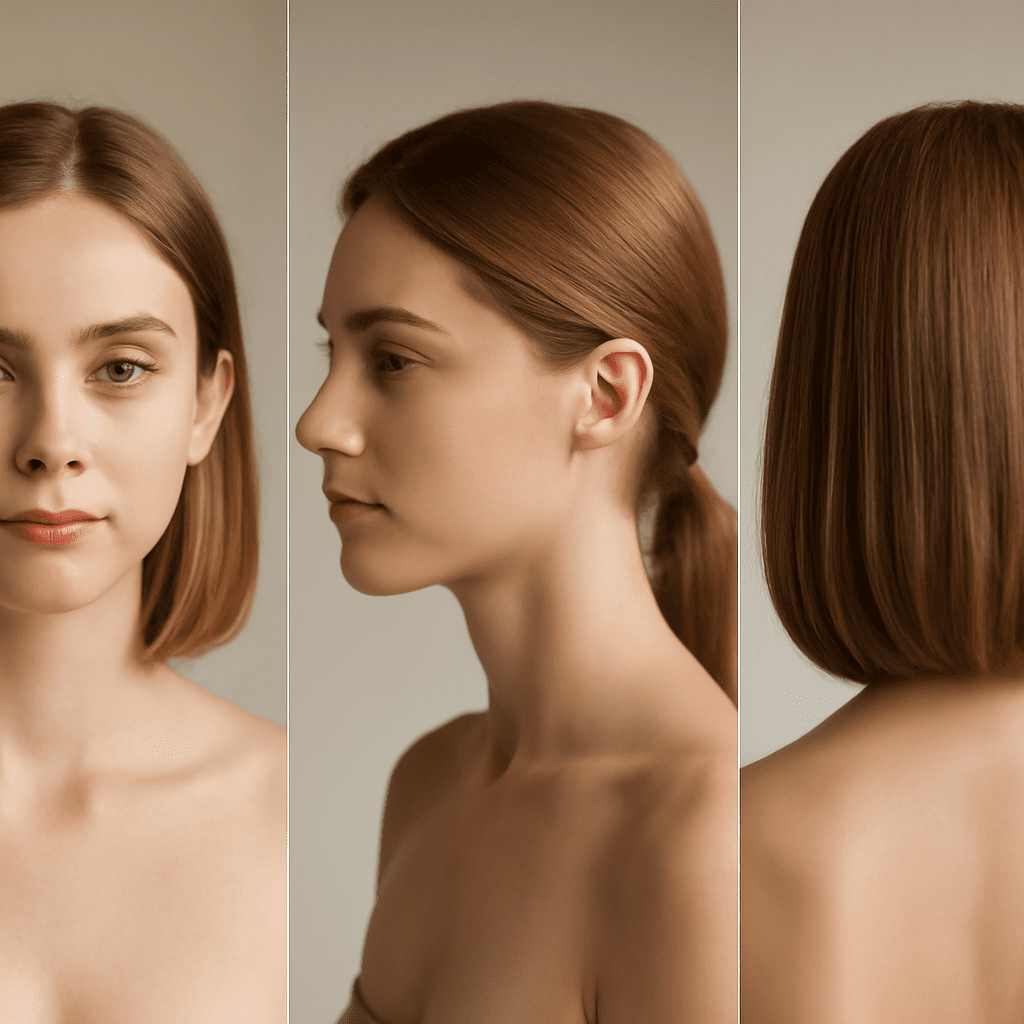
The first step in mastering how to draw hair step by step is understanding its basic structure. Hair grows in clusters, and learning to identify these clusters will make it easier to sketch realistic hair. Observing and sketching different hair types can sharpen your skills considerably.
Step 2: Basic Hair Sketching Techniques
Once you understand the structure, apply basic hair sketching techniques to start your drawing. Begin by outlining the overall shape before focusing on individual strands. This approach ensures you maintain the right proportions and flow throughout your sketch.
Step 3: Adding Details to Your Hair Sketch
After establishing the basic structure, begin adding details to your hair sketch. Utilize different pencil grades to enhance the texture and volume. Pay attention to where the light hits the hair, and use an eraser to highlight these areas for added realism.
Tips and Tricks for Perfecting Your Hair Sketch
Avoiding Common Mistakes
One of the most common mistakes in hair tutorials drawing is overdefining every strand. Focus instead on capturing the overall flow and texture of the hair. Avoid making the hair too uniform; natural hair has variations that need to be represented in your drawings.
Enhancing Realism in Hair Tutorials Drawing
To enhance realism in your hair sketches, focus on the subtle interplay of light and shadow. Consider the light source in your drawing and how it affects the hair. Incorporate these elements to add depth and make your sketches more dynamic.
Advanced Techniques in Sketching Hair
Experimenting with Different Hair Styles
Once comfortable with basic techniques, experiment with different hair styles. Sketching various styles will broaden your skills and understanding of how hair behaves. From curly locks to straight strands, each style presents its own set of challenges and learning opportunities.
Incorporating Light and Shadow
To further your skills, practice incorporating light and shadow in more complex hair sketches. This involves understanding how shadows form and how light interacts with different hair textures. Mastering this technique will significantly enhance the realism in your hair drawings.
Conclusion: Mastering the Art of Hair Drawing
Mastering the art of drawing hair is a rewarding journey that enriches your overall drawing abilities. With consistent practice and a thorough grasp of techniques, you can elevate your sketches to a professional level. Remember, every strand you draw brings you closer to creating lifelike portraits that captivate and inspire.