

In the ever-evolving world of art, you encounter pieces that transcend time and resonate with the human spirit. One such masterpiece is Liberty Leading the People by Eugene Delacroix. Painted in the midst of a revolution, this artwork encapsulates the fervor and hope of people striving for freedom. Your exploration of Delacroix’s iconic painting reveals a historical tapestry woven with courage and determination.
As you delve into the historical significance of Delacroix’s masterpiece, the themes of revolution and heroism emerge prominently. By understanding its context, you gain insight into how this painting continues to inspire movements towards liberty and justice. Let’s explore the essence of Eugene Delacroix’s most iconic painting and its enduring legacy in the realm of art and beyond.
Introduction to Liberty Leading the People
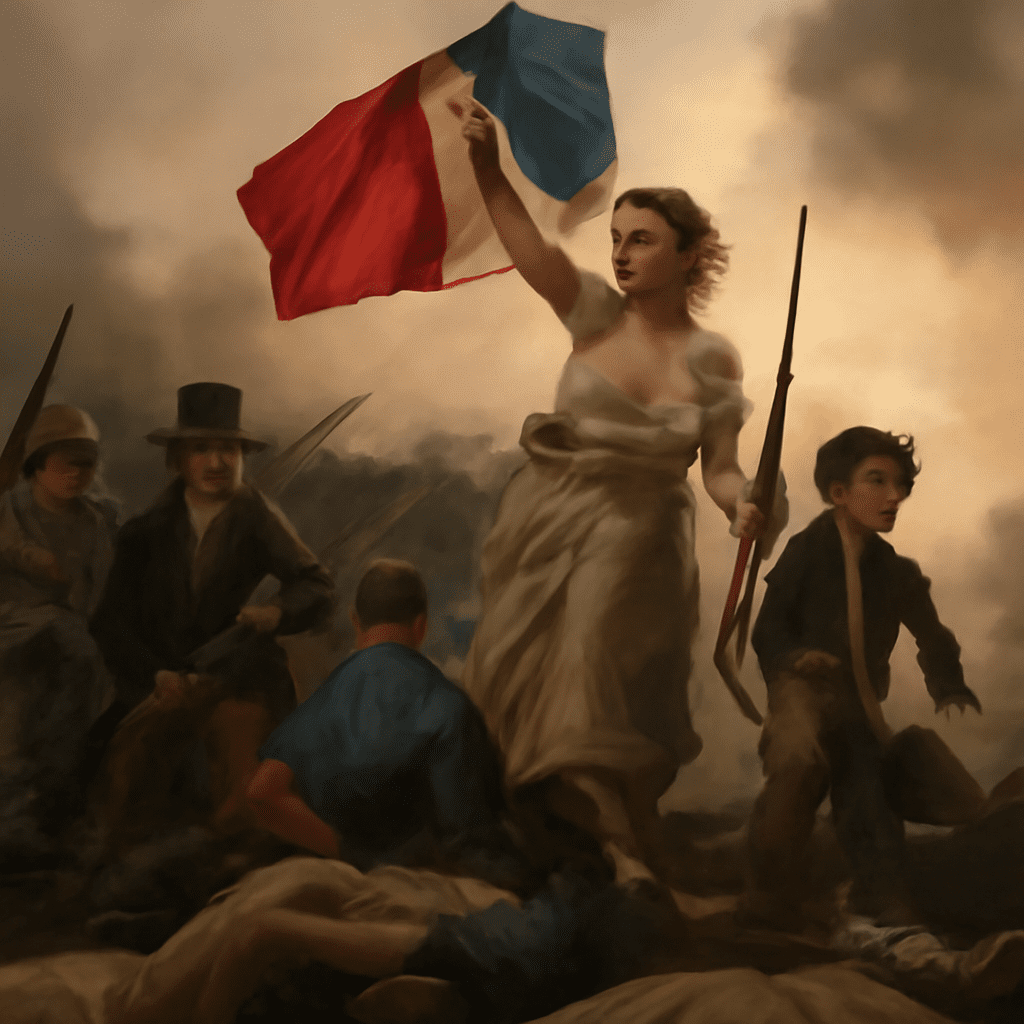
Delacroix’s Liberty Leading the People stands as a testament to the power of art to reflect societal change. Completed in 1830, this painting immortalizes the July Revolution in France, a period marked by civil unrest and the overthrow of the monarchy. As you observe the dynamic composition, the allegorical figure of Liberty leads a diverse group of revolutionaries, symbolizing unity and collective strength.
The Historical Context of Delacroix’s Liberty Leading the People
The French Revolution and Its Influence
The French Revolution of 1789 laid the groundwork for the themes present in Delacroix’s work. Its ideals of liberty, equality, and fraternity permeated the cultural landscape, inspiring generations. You see these revolutionary concepts come alive in Liberty Leading the People, where the call for freedom echoes through its vibrant imagery.
By witnessing the upheaval and transformation during the revolution, Delacroix imbibed a sense of urgency and purpose that permeates his painting. The artwork serves as both a reflection and a catalyst for political change, urging viewers to engage with the struggles depicted.
Delacroix’s Inspiration and Motivation
Delacroix found his muse in the tumultuous events unfolding around him. As you trace his motivation, it’s evident that the artist sought to capture the essence of revolution. His inspiration transcended mere observation, as he infused his work with personal passion and an acute understanding of the human condition.
The painter’s ability to translate raw emotion into visual form distinguishes Liberty Leading the People as a profound statement on the universal fight for freedom. You can feel the palpable energy of Delacroix’s brushstrokes, reflecting his dedication to portraying the spirit of the revolution.
Analyzing the Composition of Liberty Leading the People
Key Figures and Symbols
Within the painting, every figure holds significance, contributing to the narrative of struggle and liberation. As you analyze key figures, Liberty herself stands out, embodying hope and resilience. Her presence galvanizes the motley crew of fighters, each representing different facets of society.
The symbols woven into the artwork, from the tricolored flag to the scattered weaponry, serve as visual metaphors for revolution. You discern the complexity of Delacroix’s message through these elements, inviting contemplation on the sacrifices made in the pursuit of freedom.
Use of Color and Light
Delacroix’s mastery over color and light enhances the emotional impact of his painting. Warm, vivid hues contrast with somber undertones, creating a dramatic interplay that mirrors the tension of revolution. As you observe the strategic use of light, it appears to illuminate the path to liberty, guiding both the figures and the viewer’s gaze.
The artist’s technique, characterized by dynamic brushwork and vivid contrasts, amplifies the sense of movement and urgency. This attention to detail ensures that Liberty Leading the People captivates the eye and stirs the soul.
Eugene Delacroix: The Artist Behind the Masterpiece
Delacroix’s Artistic Journey
Your understanding of Delacroix’s artistic journey reveals a man committed to exploring the depths of human emotion and expression. Influenced by Romanticism, he embraced themes of individualism and dramatic intensity. This approach is evident in his treatment of Liberty Leading the People, where raw emotion is masterfully depicted.
Throughout his career, Delacroix continually pushed boundaries, often incorporating innovative techniques that challenged traditional norms. His ability to merge realism with romantic ideals made him a pivotal figure in the evolution of art.
Impact of Liberty Leading the People on Delacroix’s Career
The completion of Liberty Leading the People marked a turning point in Delacroix’s career. The painting’s immediate success garnered acclaim and solidified his reputation as a visionary. You observe how this masterpiece became a cornerstone, influencing his subsequent works and elevating his status within the art community.
Delacroix’s unwavering commitment to capturing the zeitgeist of his era is evident in his legacy. As you reflect on his achievements, it’s clear that his contributions extend beyond the canvas, impacting artistic discourse and inspiring future generations.
The Legacy of Liberty Leading the People
Influence on Future Art Movements
The enduring legacy of Liberty Leading the People lies in its influence on future art movements. As an embodiment of Romanticism, it served as a precursor to later styles, including Impressionism and Modernism. You recognize how Delacroix’s innovative techniques paved the way for new explorations in color and form.
Artists across generations have drawn inspiration from Delacroix’s bold approach, incorporating his dynamic use of color and emotive storytelling into their work. The painting’s impact resonates in contemporary art, illustrating the timeless relevance of its themes.
Cultural and Political Impact
Beyond its artistic significance, Liberty Leading the People holds profound cultural and political implications. The painting has transcended its original context, becoming a symbol of resistance and hope. Its presence in public consciousness serves as a reminder of the ongoing quest for freedom and justice.
As you contemplate its legacy, you understand how Delacroix’s masterpiece continues to inspire movements advocating for change. The painting’s message remains as pertinent today as it was in the 19th century, urging you to reflect on the power of collective action in shaping the future.