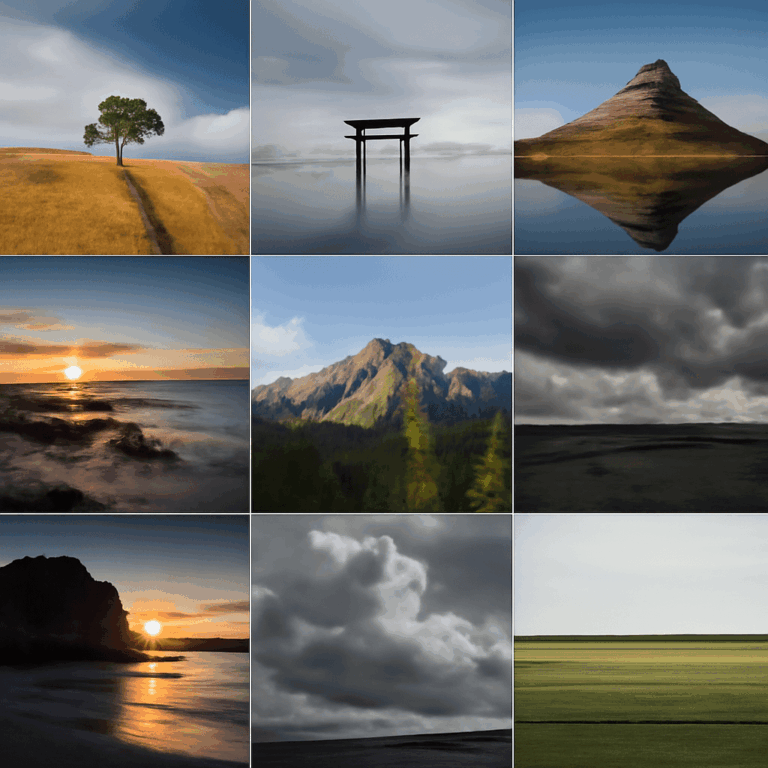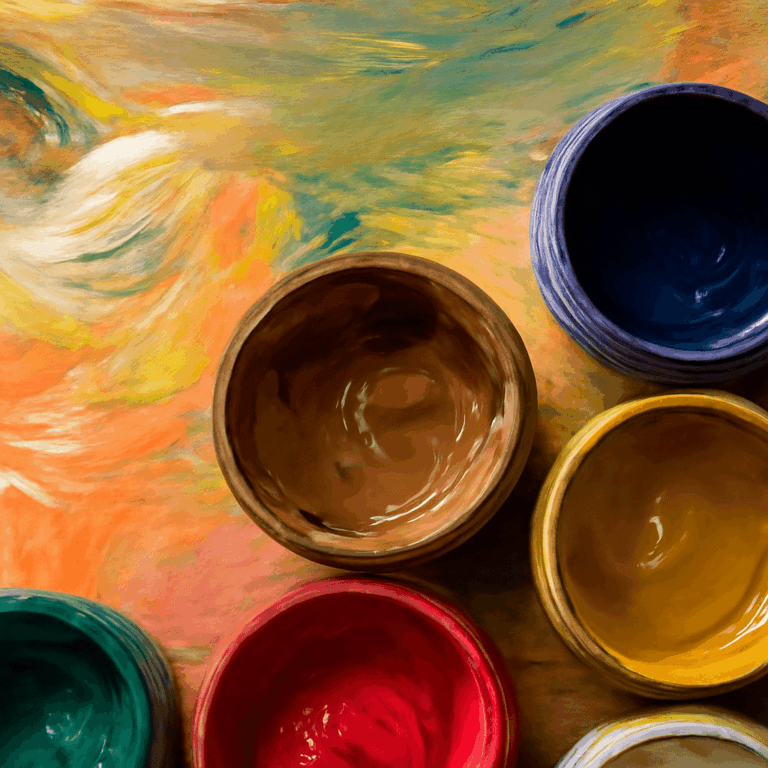


In the realm of digital art and photography, the choice between glossy vs matte photos can significantly influence the final look and feel of your work. Whether you’re displaying a cherished memory or a piece of art, understanding the difference between matte vs glossy prints is crucial to achieving the desired visual impact. Choosing between these two finishes depends on your specific needs and the environment where the photo or artwork will be showcased.
With advances in printing technology, the decision of whether to opt for matte or glossy prints has become increasingly critical. Each finish offers unique qualities that can either enhance or detract from the aesthetic you’re aiming for. This article will guide you through the nuances of glossy vs matte prints, ensuring you make an informed choice that complements your artistic vision.
Understanding Glossy vs Matte Photos
What Are Glossy Photos?
Glossy photos are known for their shiny surface that reflects light, creating a vibrant and eye-catching finish. The high-gloss sheen makes colors appear richer and more vivid, which can be particularly striking for images with a lot of detail and contrast. Glossy finishes are popular for a reason; their ability to capture attention is unmatched.
However, the reflective quality of glossy prints can sometimes pose challenges, such as glare and fingerprints, which may hinder their display in brightly lit environments. Despite these drawbacks, the allure of glossy photos remains strong for those seeking a dynamic and colorful presentation.
Characteristics of Matte Photos
Matte photos, on the other hand, offer a non-reflective surface that absorbs light, minimizing glare and providing a softer appearance. This finish is ideal for images where a subtle, understated aesthetic is desired. Matte prints are less prone to showing fingerprints and smudges, making them a practical choice for frequently handled prints.
The matte finish also tends to enhance the depth and texture of an image, which can be especially beneficial for black-and-white photos or artistic prints where detail is paramount. While less flashy than their glossy counterparts, matte prints deliver a timeless and elegant look.
Comparing Matte vs Glossy Prints
Pros and Cons of Glossy Prints
When weighing the pros and cons of glossy prints, the advantages include their vibrant color rendition and striking visual appeal. Glossy prints can breathe life into a dull photo, making them perfect for colorful landscapes or family portraits.
Nevertheless, the disadvantages cannot be overlooked. The reflective surface can be problematic in certain lighting conditions, and glossy prints are more susceptible to scratches and fingerprints, requiring careful handling and placement.
Advantages and Disadvantages of Matte Prints
Matte prints offer several advantages, including reduced glare and a classic, sophisticated look. They are well-suited for professional environments or art exhibitions where subtlety is key.
However, matte prints may sometimes lack the vividness of glossy prints, which could be a downside for those seeking a more colorful and lively representation. Despite this, the durability and ease of maintenance make matte prints a favorite for many artists and photographers.
Glossy vs Matte Prints in Different Settings
Best Uses for Glossy Prints
Glossy prints are at their best in environments where lighting can be controlled, such as galleries or homes with adjustable lighting. They are also ideal for small prints or photo albums where the glossy finish can be appreciated up close.
For images that thrive on color and brilliance, such as travel or fashion photography, glossy prints can be a perfect choice. They are also preferred for promotional materials where impact and attention are key.
Ideal Situations for Matte Prints
Matte prints excel in settings where lighting conditions are less than ideal or where reflections could detract from the viewing experience. They are perfect for large prints, especially those intended for display in well-lit rooms or public areas.
For artistic projects or professional portfolios aiming for a refined and sophisticated vibe, matte prints are often the go-to option. They also work well for prints that will be framed without glass, as they reduce unwanted reflections.
Making the Decision: Matte or Glossy Prints?
Factors to Consider
When deciding between matte or glossy prints, consider the lighting conditions and the intended purpose of the prints. The setting where the photo will be displayed plays a crucial role in determining which finish to choose.
Evaluate the content of the image itself—does it benefit from the vibrancy of a glossy finish, or does it call for the subtlety of matte? Also, consider practical aspects like the likelihood of handling and susceptibility to fingerprints.
Personal Preferences and Project Needs
Your personal preference is a significant factor in this decision-making process. Some individuals are drawn to the vibrancy and shine of glossy prints, while others appreciate the understated and classic feel of matte prints.
Assess your project needs and the message you wish to convey through your prints. Are you aiming for a bold statement or a timeless classic? Your choice should align with your artistic intentions and the emotional response you wish to evoke.
Glossy vs Matte Pictures: Expert Tips and Recommendations
Expert advice often suggests experimenting with both types of prints to see which aligns better with your vision. Test photographs in various settings to understand how each finish interacts with light and environment.
Consider printing a small batch of both glossy and matte photos to compare them side-by-side. This hands-on approach can significantly aid in making the right choice for your projects, ensuring that your photos or artwork achieve their full potential.
Key takeaways: The decision between glossy vs matte photos heavily depends on your specific needs and the display environment. Each finish has its own set of strengths and weaknesses. Testing both options can help ensure your final prints align with your artistic goals.