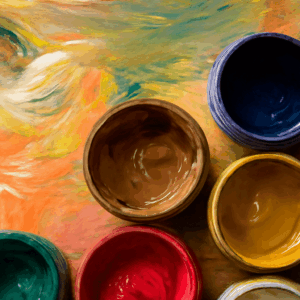

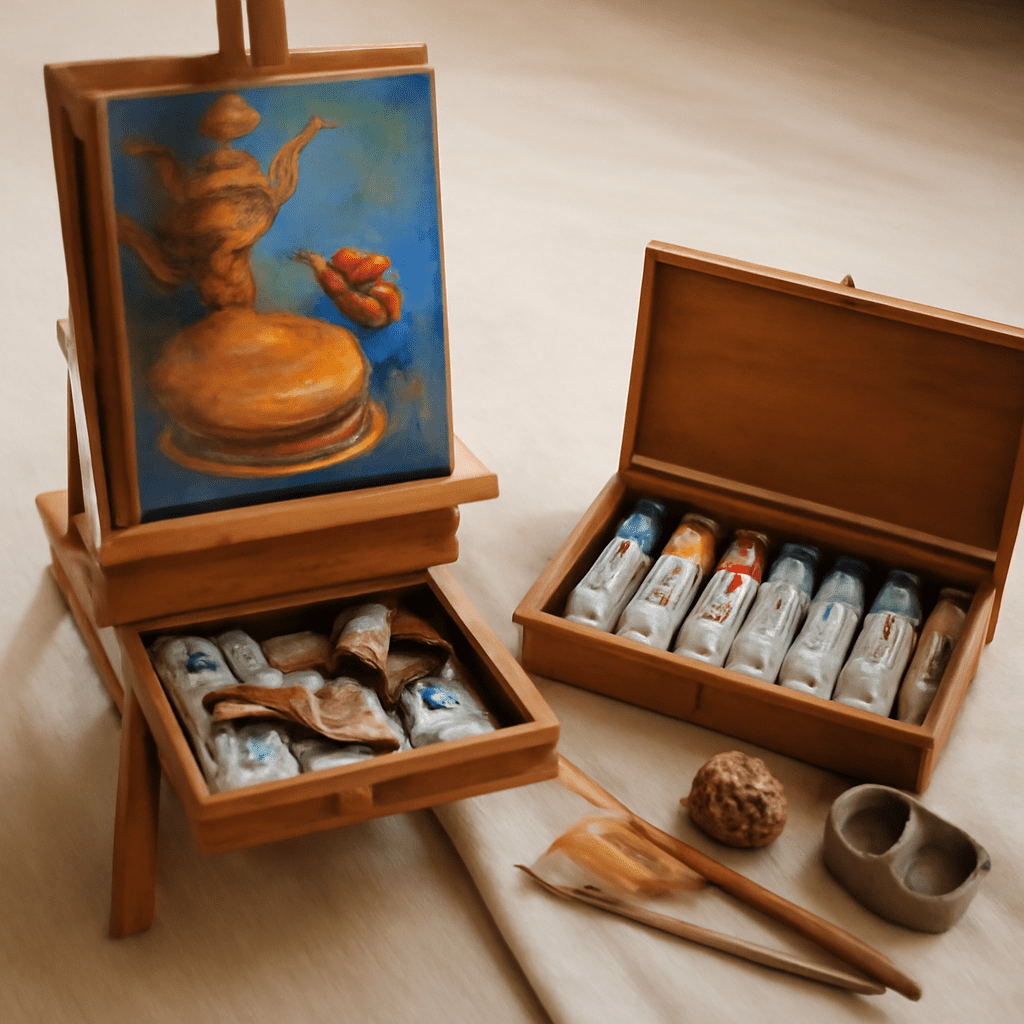
Oil painting is a timeless art form that provides a unique blend of texture and depth, making it a favorite among artists for centuries. To master oil painting basics, you need the right oil painting tools and supplies. This guide ensures you are equipped with essential oil painting materials, helping you explore oil painting 101 with confidence and creativity.
By understanding what oil painting requires in terms of supplies and workspace, you’ll elevate your craft and tackle this rich medium with ease. Dive into this comprehensive guide to discover the indispensable tools that every budding artist needs to start their oil painting journey.
Understanding Oil Painting Basics
What is Oil Painting?
Oil painting involves using pigments combined with a binder, usually linseed oil. This technique allows for vibrant colors and detailed textures, giving your artwork a professional finish. It is a medium that caters to both subtlety and bold expression, making it versatile for various subjects.
History of Oil Painting
The history of oil painting dates back to the early Renaissance, with artists like Jan van Eyck popularizing the technique. Over centuries, it has been embraced by masters such as Leonardo da Vinci and Rembrandt, who expanded its possibilities and set standards that continue to inspire today.
Why Choose Oil Painting?
Choosing oil painting allows you access to a depth of color and durability that other mediums can’t match. The slow drying time offers the ability to rework areas, blend seamlessly, and achieve a smooth transition in tones. It’s the preferred medium for intricate detail and lasting artworks.
Essential Oil Painting Supplies
Choosing the Right Paints
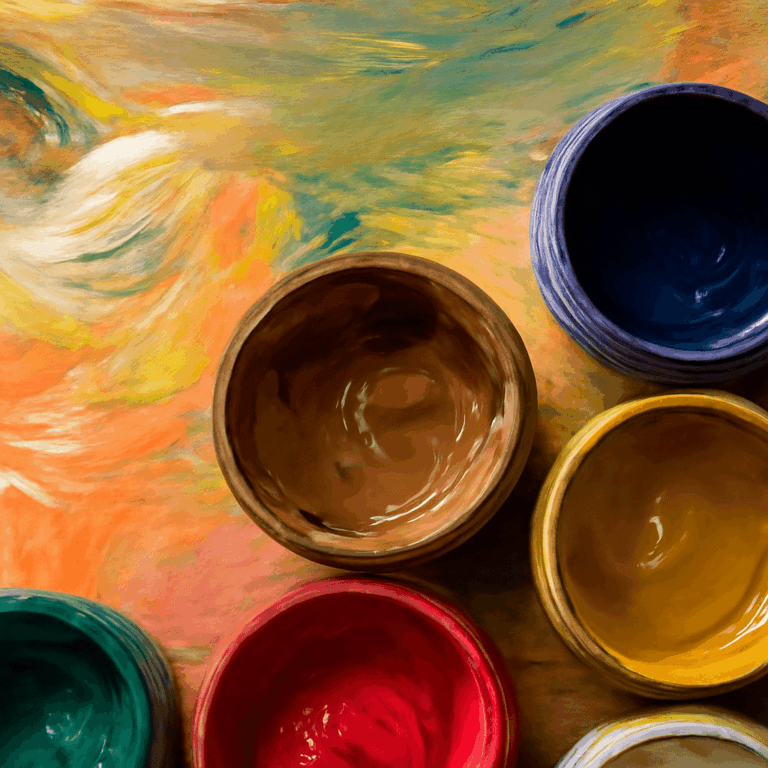
Selecting the right paints is crucial in oil painting. You’ll want to invest in high-quality pigments with good coverage and lightfastness. Brands like Winsor & Newton or Gamblin offer reliable options for beginners and professionals alike.
Canvas and Surfaces
A canvas is the traditional surface for oil paintings, but wooden panels or textured boards also work well. Ensure your canvas is primed adequately to prevent the oil from seeping through. This preparation enhances the vibrancy and longevity of your artwork.
Brushes and Tools
Brushes come in various shapes and sizes, each suited for different techniques. A mix of flat, round, and filbert brushes gives you the flexibility to create broad strokes or intricate details. Quality brushes ensure smooth application and ease of cleaning.
Must-Have Oil Painting Materials
Mediums and Solvents
Mediums and solvents play a pivotal role in oil painting. They modify the texture and drying time of your paint. Turpentine or mineral spirits are popular choices for cleaning and thinning paints, yet safer alternatives like citrus-based solvents are gaining popularity.
Palette Knives and Palettes
Palette knives are essential for mixing colors and applying paint in a thick, textured manner. A sturdy palette, be it glass or wood, offers a stable base for your color mixing endeavors—essential for achieving precise hues and saturation.
Varnishes and Finishing Touches
Varnishing is the final step that protects your artwork from dust and UV rays while enhancing its appearance. Choose between gloss, satin, or matte finishes depending on your desired effect. Varnishing provides a professional, polished look to your paintings.
Oil Painting 101: Setting Up Your Workspace
Organizing Your Tools
A well-organized workspace improves efficiency and creativity. Arrange your supplies within easy reach, ensuring that brushes, paints, and palettes are neatly stored. Consider investing in a dedicated storage system to streamline your painting process.
Ensuring Proper Ventilation
Proper ventilation is non-negotiable in oil painting due to the fumes from paints and solvents. Work near open windows or use fans to circulate air. An air purifier can further enhance the air quality in your studio, safeguarding your health.
Tips and Techniques for Beginner Oil Painters
Basic Techniques to Master
Beginner oil painters should focus on mastering techniques such as layering, glazing, and impasto. These foundational skills form the backbone of more advanced practices, ensuring a well-rounded approach to your art.
Common Mistakes to Avoid
Avoid common pitfalls like over-thinning your paint or using non-archival materials. Understanding the right balance of medium and paint prevents cracking and fading, crucial for maintaining the integrity of your artwork over time.
Bottom line: With the right oil painting tools and supplies, you can master oil painting basics and explore oil painting 101 with ease. Dive into this rich and rewarding medium and watch your creative potential unfold.