
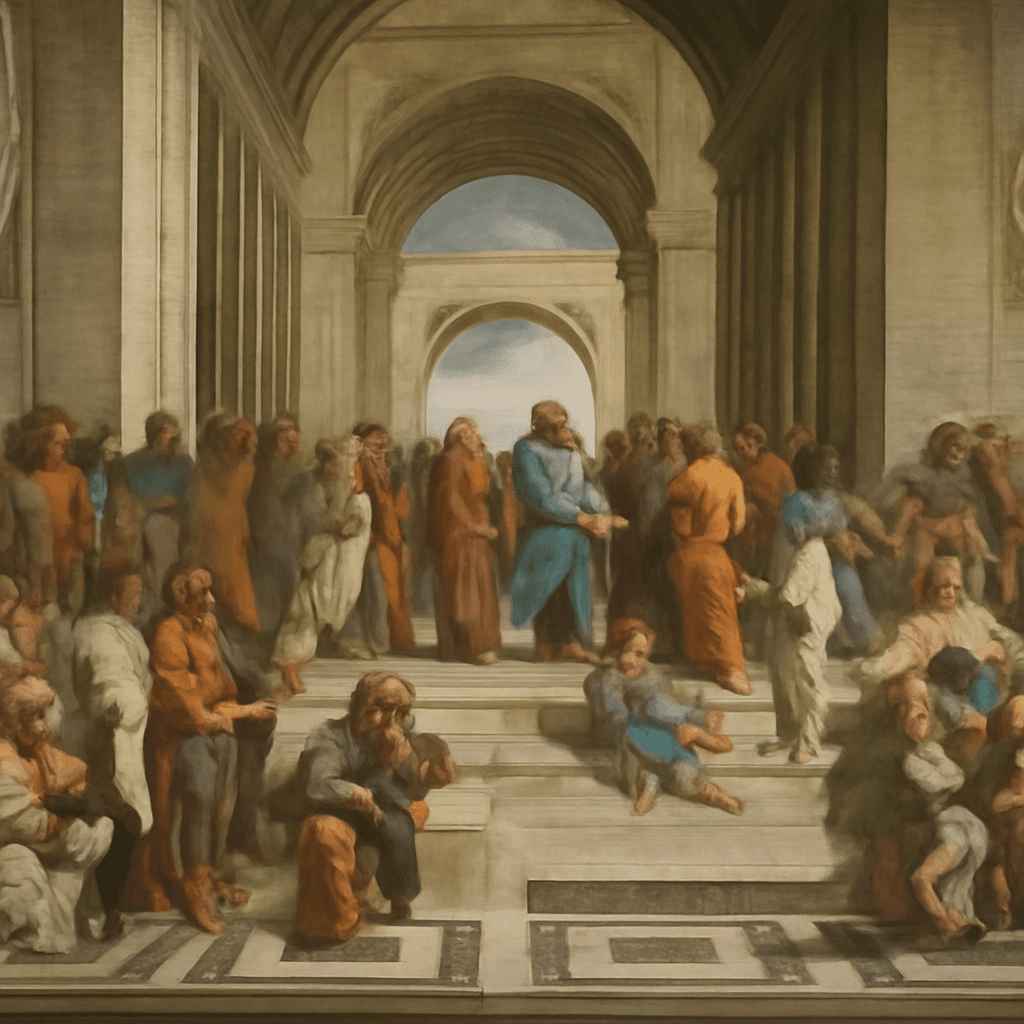
The Renaissance period was a revolutionary era in art history, characterized by a profound transformation in artistic approach and technique. Italian painters, with their groundbreaking contributions, dominated this epoch, crafting masterpieces that continue to inspire and captivate audiences today. To truly appreciate the peak of artistic achievement during the Renaissance period, one must delve into the intricacies that set this era apart. From the innovative use of perspective to the masterful depiction of human emotion, the most famous Renaissance artists paved the way for modern art.
Understanding the journey of these artists of the Renaissance reveals not only their individual genius but also the collective evolution of art as a powerful medium for cultural expression. As you explore this transformative time, you’ll discover how the legacy of these artists continues to shape contemporary artistic practices, offering timeless lessons in creativity and expression.
Understanding Renaissance Artistry
Renaissance artistry marked a significant departure from the medieval period, emphasizing realism, humanism, and naturalism. Artists began to explore the complexities of the human form and the subtleties of light and shadow. They embraced new techniques such as linear perspective, which allowed for more accurate spatial representation. This period was not just about creating visually stunning works but also about imbuing them with intellectual depth and narrative richness.
The exploration of human anatomy, alongside the study of classical antiquities, enabled Renaissance artists to achieve unprecedented levels of detail and expression. Techniques like chiaroscuro brought depth to their compositions, giving paintings a lifelike quality that had never been seen before. As you examine these techniques, you’ll appreciate how they laid the groundwork for future movements in art.
The Influence of Italian Painters
Italian painters played a pivotal role in shaping the artistic landscape of the Renaissance. Their mastery of technique and innovation set the standards for artistic excellence. Italian artists such as Leonardo da Vinci and Michelangelo were instrumental in pushing the boundaries of art, exploring themes of beauty, nature, and the human condition.
Beyond individual accomplishments, Italian painters contributed to the dissemination of Renaissance ideals across Europe. Their work not only inspired fellow artists but also influenced patrons and scholars, who sought to emulate the sophistication and intellectual rigor of Italian art. By studying these influential figures, you gain insight into how they shaped not only the era but also the future of art.
Meet the Most Famous Renaissance Artists
Among the most famous Renaissance artists, Leonardo da Vinci stands out for his unparalleled contributions to both art and science. His iconic works, such as the “Mona Lisa” and “The Last Supper,” showcase his innovative approach to composition and his deep understanding of human psychology.
Michelangelo, another giant of the period, is renowned for his sculptural masterpieces like “David” and the awe-inspiring frescoes of the Sistine Chapel ceiling. His work epitomizes the Renaissance ideals of harmony and anatomical precision, making him one of the most revered artists of his time.
Other notable figures include Raphael, known for his graceful and harmonious compositions, and Titian, who excelled in the use of color and texture. By immersing yourself in the work of these artists, you gain a comprehensive view of how they collectively defined the era.
Exploring an Artist from the Renaissance
To fully appreciate the impact of Renaissance art, consider delving into the life and works of a single artist. Take Leonardo da Vinci, for example. His relentless curiosity and diverse talents exemplify the Renaissance ideal of the “universal man.” Beyond painting, da Vinci made significant contributions to anatomy, engineering, and science.
By studying da Vinci’s sketches and unfinished projects, you gain insight into his thought process and innovative spirit. His investigations into the mechanics of flight and the human body reveal a mind constantly seeking to understand the world. Exploring his body of work provides a window into the era’s intellectual and artistic fervor.
The Legacy of Artists of the Renaissance
The legacy of Renaissance artists extends far beyond their own time, continuing to influence contemporary art and culture. Their pioneering techniques and exploration of human experience set the foundation for future artistic movements. The emphasis on realism and expression seen in the works of Renaissance masters persists in various forms in modern art.
Beyond technique, the Renaissance fostered an enduring appreciation for art as a reflection of human potential and creativity. This period demonstrated that art could transcend mere representation to become a powerful medium for philosophical and scientific inquiry. By studying the Renaissance, you learn how art can serve as both a historical document and a timeless source of inspiration.
Next Steps
As you delve deeper into the world of Renaissance painters, consider visiting museums with significant collections or taking art history courses that focus on this transformative era. Engage with online resources and virtual tours to enhance your understanding of their techniques and themes. Whether you’re an artist seeking inspiration or an enthusiast eager to learn, the Renaissance offers a wealth of knowledge and creativity to explore. By embracing the lessons of these masters, you continue the tradition of innovation and expression that defines the art world today.