Texture in art is a fundamental element that significantly impacts the overall feel and composition of a piece. Artists use texture to create depth, interest, and evoke emotions, making it a crucial component in the creative process. Whether you are a seasoned artist or just starting, understanding the elements of art texture will enhance your ability to craft compelling artworks that resonate with viewers.
In this guide, we will explore the key elements of texture in art, examine examples of texture in art, and provide practical insights on how to incorporate texture effectively into your work. By the end, you will have a solid grasp of what texture is in the art world and how it can transform your creations.
Understanding Texture in Art
Defining Texture
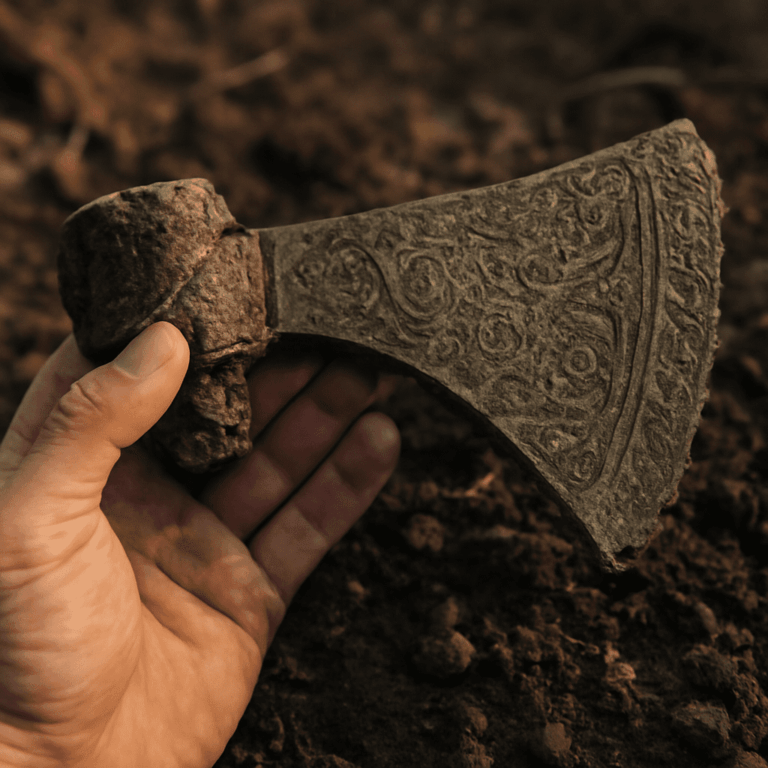
Texture is the perceived surface quality of a work of art. It can be actual, where the texture is tangible, or implied, where it is suggested visually. Artists manipulate texture to give their work depth and dimension, drawing viewers into the piece and engaging their senses.
Types of Texture
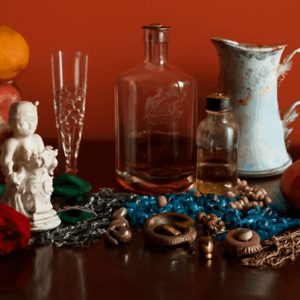
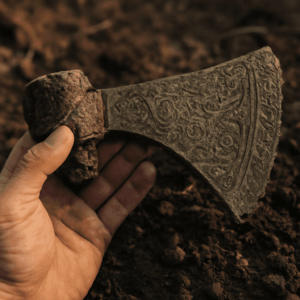
There are two main types of texture: tactile and visual. Tactile texture can be physically felt, such as in sculpture or mixed media art, while visual texture is seen but not felt, like the illusion of texture created in paintings. Understanding these distinctions is essential for effectively applying texture in your artwork.
The Role of Texture in Art
Visual vs. Tactile Texture
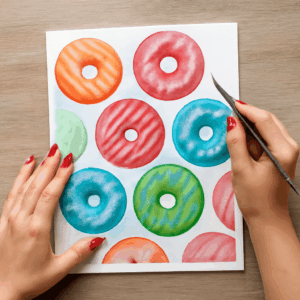
Visual texture relies on your perception to suggest a surface quality. Artists use techniques like brushwork, layering, and color to simulate texture and bring a flat surface to life. Tactile texture, however, invites the viewer to touch and feel, making the artwork interactive. Both forms are powerful tools that artists use to tell stories and convey moods.
Why Texture Matters
Texture matters in art because it contributes to the overall aesthetic and emotional impact of a piece. It can influence how viewers interpret the message of the artwork, adding layers of meaning and complexity. When you master the use of texture, you enhance the sensory experience of your audience, making your art more memorable and impactful.
Elements of Art Texture
How Texture Interacts with Other Elements
Texture interacts dynamically with other elements of art, such as color, shape, and line. For instance, a rough texture can contrast with smooth shapes, creating visual tension, while complementary colors can enhance the perception of texture. When combined thoughtfully, these elements can harmonize and elevate the artistic expression.
Creating Harmony with Texture
Creating harmony with texture involves balancing different textures to achieve a cohesive composition. By varying the texture and integrating it with other design elements, you can guide the viewer’s eye, emphasizing key aspects of the artwork. Experiment with different textures to discover how they can best serve your artistic vision.
Examples of Texture in Art
Famous Artworks Featuring Texture
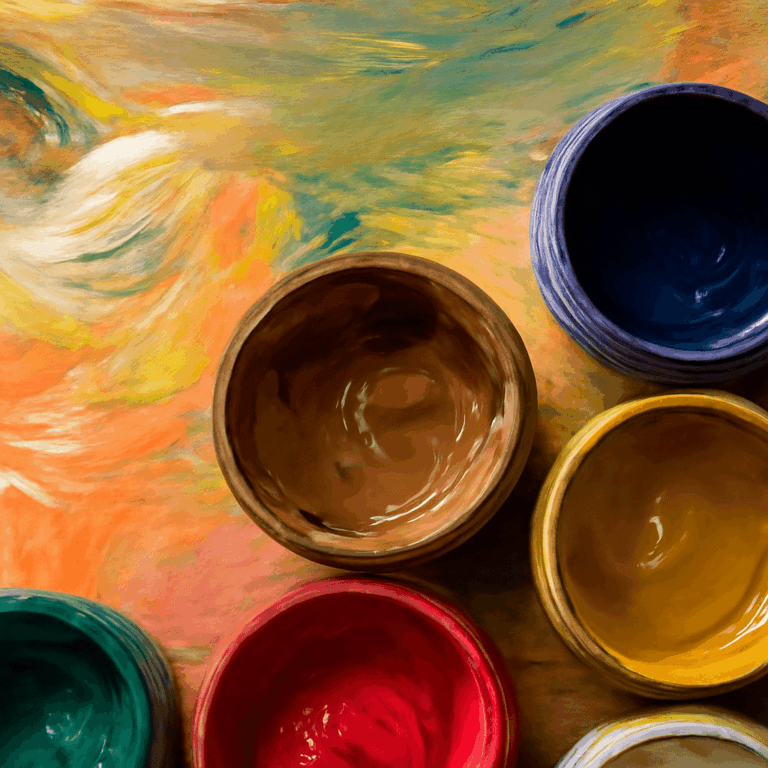
Many renowned artworks feature texture prominently. Vincent van Gogh’s paintings, such as “Starry Night,” utilize thick, expressive brushstrokes that create a tactile surface. Similarly, sculptures by artists like Auguste Rodin showcase texture in their various forms, inviting viewers to physically experience the art. Studying these examples can inspire your use of texture in your creations.
Texture Techniques in Different Mediums
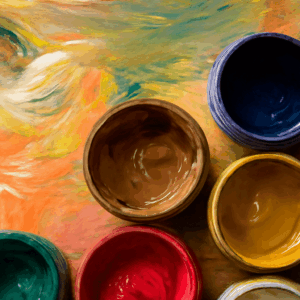
Texture techniques vary across different mediums. In painting, artists may use impasto to build up layers of paint, while in digital art, textures can be simulated through software tools. Sculptors might carve or mold materials to achieve desired textures. Explore various mediums to see how each allows unique approaches to texture.
How to Use Texture in Your Art
Tips for Beginners
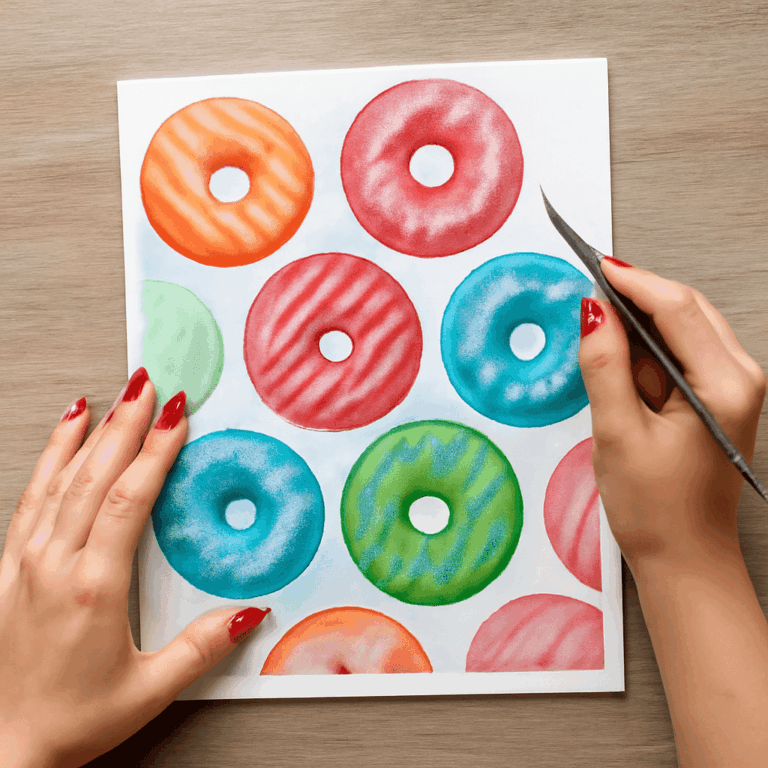
If you’re new to incorporating texture, start by experimenting with materials and techniques. Try using different brushes or palette knives to apply paint, or explore mixed media options like collage. Pay attention to how these choices affect your artwork’s surface and practice combining tactile and visual textures to enrich your designs.
Advanced Techniques
For those more experienced, advanced techniques can deepen your expression. Consider layering textures for complexity, or use contrasting textures to highlight specific areas of your art. You can also play with unusual materials or digital effects to create textures that challenge traditional boundaries, pushing the limits of what texture can achieve in art.
Bottom line: Texture in art is a versatile element that can transform your work, whether through tactile or visual means. By understanding its role and exploring various techniques, you can add depth and intrigue to your creations, leaving a lasting impression on your audience.