Throughout history, ancient Chinese clothing has been a vivid tapestry of culture, tradition, and craftsmanship. From the elegant Hanfu to the intricate Qipao, each garment tells a story of an era, a belief, and a way of life. Understanding traditional ancient Chinese clothing offers insight into China’s rich heritage and the meticulous artistry of its people. As you explore the layers of fabric and design, you’ll discover the powerful influence of historical Chinese clothing on modern fashion trends and its enduring appeal.
Today, embracing historical styles involves more than just wearing garments; it is about appreciating the profound symbolism woven into each piece. Whether you’re an artist, designer, or history enthusiast, exploring the realm of traditional clothing can inspire and enrich your creative endeavors. Delve into the past and learn how to translate these cultural treasures into your own work by drawing and designing with intentionality.
Introduction to Traditional Chinese Clothing
Traditional Chinese clothing is a diverse and intricate art form that reflects China’s deep-rooted cultural heritage. Each piece, from the majestic robes worn by emperors to the common garments of everyday folk, is imbued with symbolism and tradition. When exploring these garments, you gain insight into the social hierarchies, beliefs, and aesthetics that have shaped Chinese society over millennia.
The evolution of ancient Chinese clothing is a journey through time, illustrating shifts in political power, economic changes, and cultural exchange. It is an evolution that continues to inspire modern fashion, offering a unique blend of historical authenticity and contemporary relevance.
The Evolution of Ancient Chinese Clothing
Chinese clothing has undergone significant transformations throughout history. From the simple, unadorned garments of the Neolithic period to the elaborate silks of the Tang dynasty, each era has contributed distinct elements to what we recognize today as traditional ancient Chinese clothing.
These changes were often dictated by the ruling dynasty’s preferences, the availability of materials, and technological advances in textile production. For example, the development of silk weaving during the Shang dynasty marked a pivotal point in Chinese fashion, as silk became a symbol of luxury and status.
Key Elements of Historical Chinese Clothing Design
Materials Used
The selection of materials is a fundamental aspect of historical Chinese clothing. Silks, linens, and cottons were commonly used, each chosen for their unique properties and symbolic meanings. Silk, in particular, was prized for its smooth texture and natural sheen, representing wealth and sophistication.
Symbolism and Colors
Colors and motifs in traditional garments often carry deep meanings. Red symbolizes good fortune and joy, while blue and black are associated with immortality and wisdom. Embroidery featuring dragons, phoenixes, and other mythical creatures express power, prosperity, and harmony.
Styles and Variations
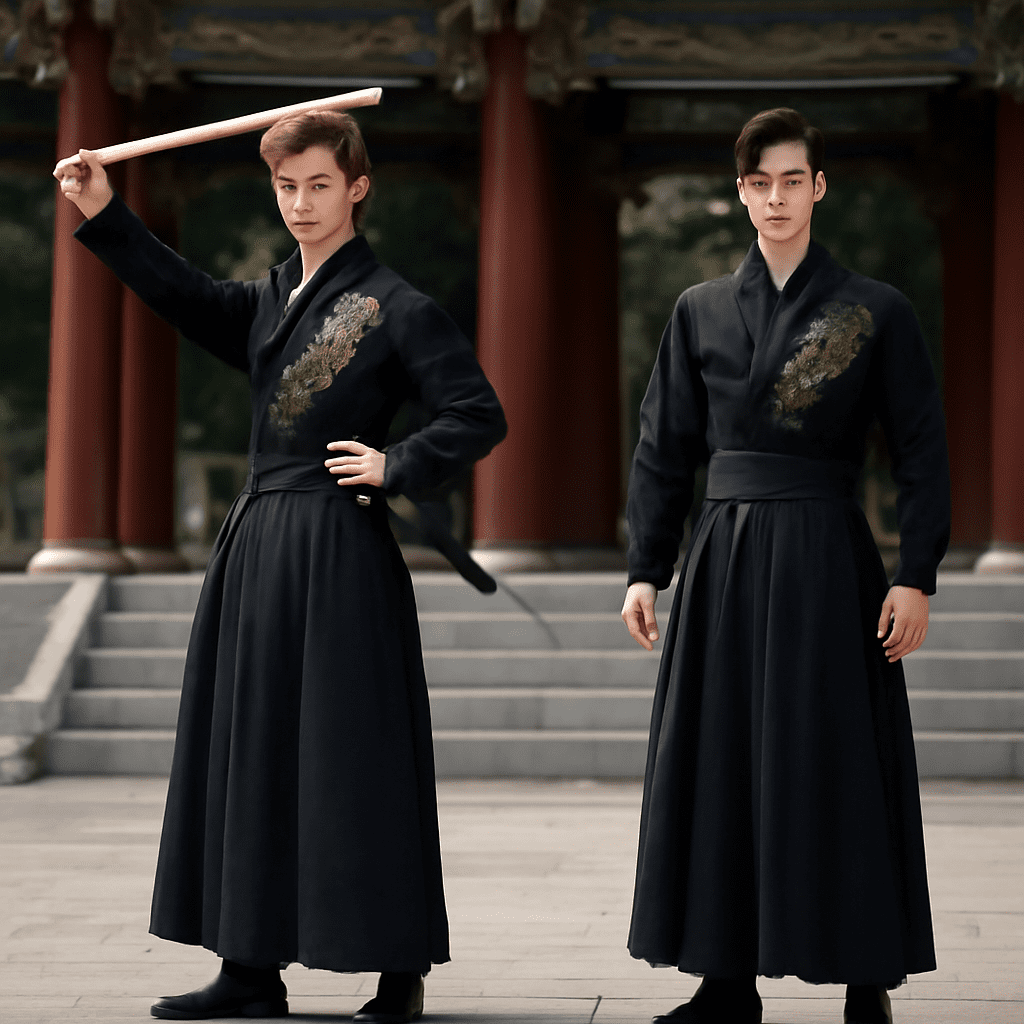
Various styles emerged over the centuries, each with characteristic features. The Hanfu, a flowing robe with wide sleeves, represents the epitome of traditional ancient Chinese clothing. The Qipao, with its fitted silhouette, reflects the melding of traditional aesthetics with modern sensibilities.
Drawing Traditional Ancient Chinese Clothing
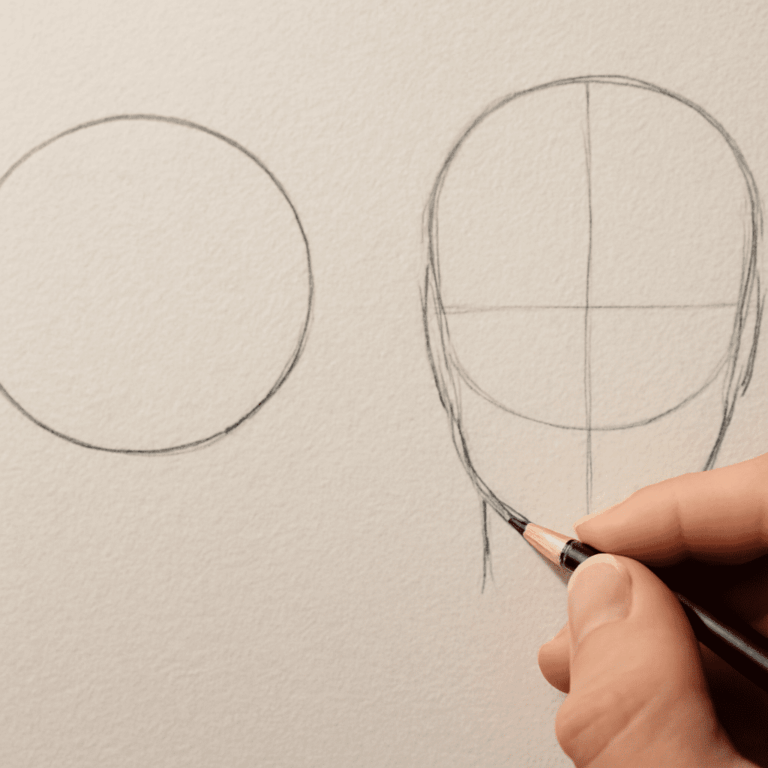
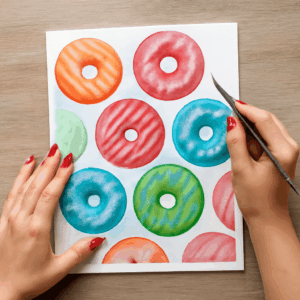
Drawing inspiration from historical Chinese clothing designs involves understanding their construction and the cultural nuances they embody. Begin by studying the basic forms and lines that characterize these garments, such as the elegant drape of a Hanfu or the structured lines of a Qipao.
Focus on capturing the essence of the materials and the symbolism inherent in the designs. Pay attention to details like the intricate embroidery patterns and the color palettes that define different dynastic styles. As you practice, you’ll develop a deeper appreciation for the craft and precision that traditional Chinese clothing demands.
Conclusion: The Legacy of Traditional Chinese Clothing
The legacy of traditional Chinese clothing is a testament to the enduring power of art and culture. It continues to inspire designers and artists globally, offering a rich tapestry of ideas to explore and reinterpret. By studying and drawing these garments, you not only preserve a vital aspect of cultural heritage but also bring fresh perspectives to your own creative projects.
Next steps: As you delve into the world of traditional clothing design, continuously refine your skills through practice and research. Experiment with different styles and materials, and consider how modern influences can be incorporated into your work while respecting the authenticity of historical designs. Engage with the cultural narratives behind each piece, letting them guide your artistic journey.