

Whether you’re staging a photo shoot or sketching your next action scene, achieving natural movement can be surprisingly tough. Stiff, unrealistic gestures can break the illusion of energy, turning dramatic moments into awkward stillness. That’s where a fighting pose reference becomes your secret weapon. By using the right combat pose reference, you unlock a world of dynamic expression—giving both photographers and artists the tools to bring their visions to life.
Getting that perfect mix of tension, motion, and believability isn’t just about luck or raw talent. With a thoughtfully chosen fighting pose reference and a reliable combat pose reference, you gain a tactile guide for form, proportion, and movement. Let’s break down what makes these resources essential and how you can use them to elevate your creative process.
Why Fighting Pose Reference Matters for Creatives
If you’ve ever tried capturing or drawing a martial arts scene, you know that understanding real human anatomy in action is crucial. A fighting pose reference offers you a visual anchor—one that helps you see how muscles stretch, joints bend, and energy flows through a stance. When you use these visual guides, you eliminate guesswork from your workflow. Instead of relying solely on your imagination, you refer to specific postures that provide accurate spatial relationships.
For photographers, referencing staged fighting stances helps you direct models with confidence. You’ll communicate more clearly, showing your subject exactly what you want rather than hoping for a lucky candid. Artists, on the other hand, benefit by observing subtle details like the twist of a torso or the extension of a limb—elements that transform a flat figure into a living, breathing character. Using fighting pose references changes static gestures into vibrant motion studies.
Moreover, maintaining a library of pose references supports your long-term growth. By building a habit of studying and replicating real combat stances, you train your eye for movement and balance. Over time, you’ll recognize the difference between a pose that holds visual tension and one that falls flat. This hands-on practice directly informs your ability to spot dynamic storytelling moments, both on camera and in your artwork.
In fast-paced creative industries, efficiency matters. Having the right reference images means you spend less time correcting awkward anatomy later and more time refining the scene’s energy. It’s a shortcut to authenticity, letting you focus on light, shadow, framing, or expressive line work rather than anatomical fixes.
Key Elements of a Dynamic Combat Pose Reference
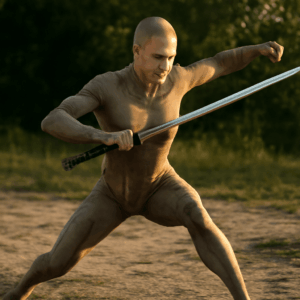
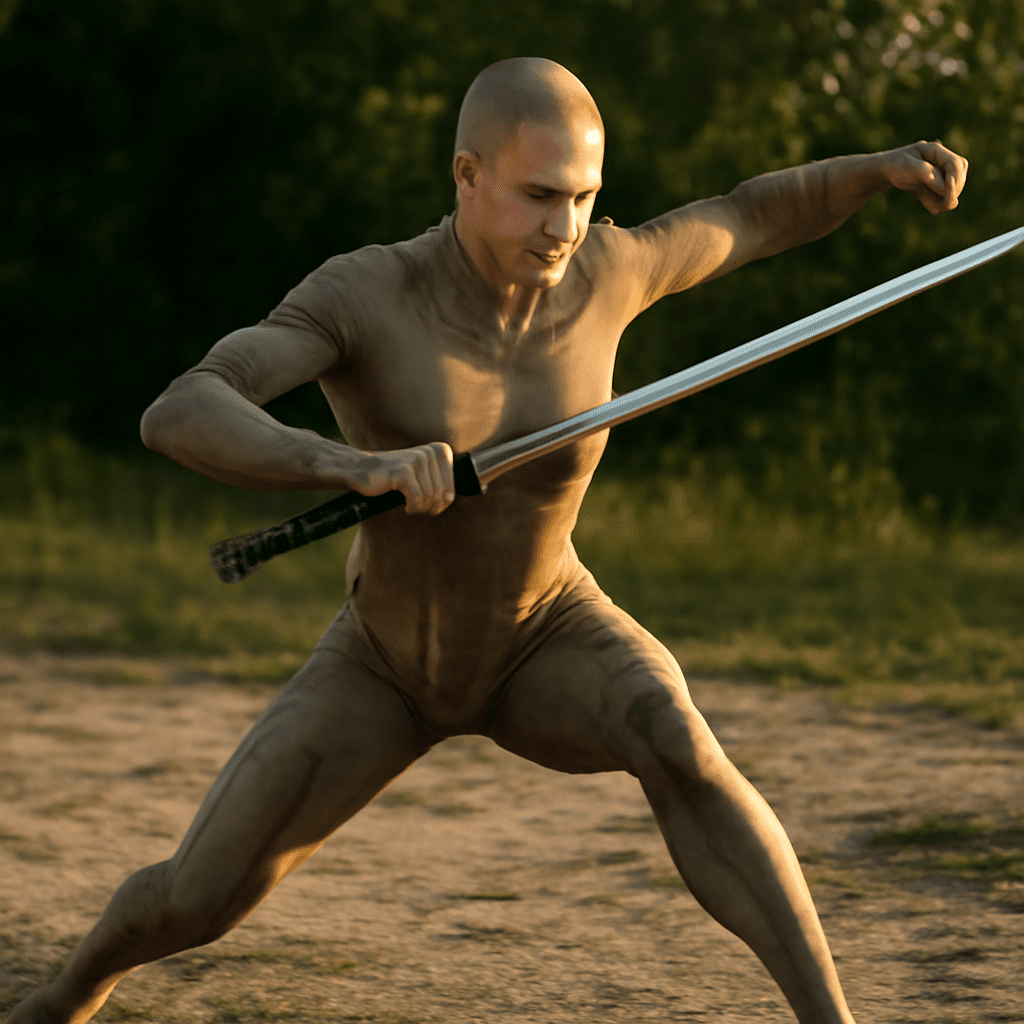
A strong combat pose reference starts with balanced, believable motion. Look for stances where weight distribution is clear: feet planted for stability or mid-air to suggest leaping. When creating your own reference material, encourage models to exaggerate their movements slightly—this makes it easier to translate action into compelling photos or art. Pay attention to gestures that compress or stretch the body, such as fists tightly clenched or an extended kick. These tactile cues bring immediacy to your work.
The best fighting pose references aren’t stiff or overly symmetrical. Instead, seek out visual tension—one shoulder hunched, the spine subtly twisting, or a head tilting in anticipation of impact. These irregularities signal real-world physics at play. When browsing or staging references, use props like training pads, sticks, or even improvised foam weapons. Props can help subjects commit to a scenario, resulting in more immersive gestures for you to capture.
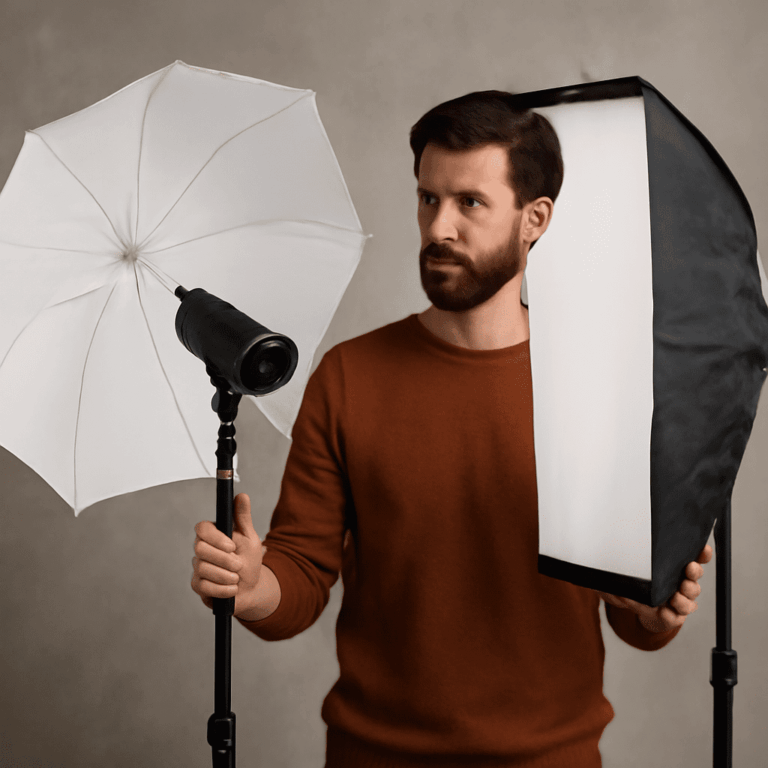
Lighting also plays a vital role. Side-lighting or harsh shadows emphasize muscle definition, contour, and the flow of movement. For artists, this makes it easier to map out where form turns into shadow, a crucial element for realism. For photographers, dramatic lighting highlights the peaks of tension in the pose, lending cinematic impact to your images. Whether you’re snapping a shutter or sketching, remember to check angles: a small rotation can make a punch look weak or powerful.
Finally, think about the story behind the pose. Is your subject on the defensive, mid-attack, or recovering from a blow? Poses with narrative context inspire more authentic results. As you work through different versions, keep comparing your output with both fighting pose reference and combat pose reference examples, assessing if the energy matches your intended mood.
How to Find or Create the Perfect Fighting Pose Reference
You have a few practical options for sourcing pose inspiration. Online databases and photo packs offer a wide range of fighting pose reference images, often shot by professionals with an eye for dynamic movement. These collections save you time, letting you browse hundreds of options to find the perfect moment. If you can’t find what you need, consider staging your own photo shoot. Grab a smartphone or DSLR, ask a friend to model, and experiment with different angles and lighting setups.
Creating your own combat pose reference lets you tailor every detail, from costuming to props. Use a tripod for consistent framing, and try burst-mode photography to capture subtle shifts within a single action. Review the shots immediately—zoom in to check for anatomical believability, strong silhouettes, and dramatic gesture lines. If something feels off, adjust and reshoot until the energy feels authentic.
For digital artists and animators, 3D pose software can also be a powerful DIY tool. Programs with poseable mannequins let you test stances from any viewpoint. Adjust virtual limbs, rotate the model, and study how weight shifts. Then, export screenshots for tracing or as underlying guides. Mixing real-life photos with digital models expands your creative toolkit, giving you maximum flexibility.
Regardless of method, always curate your reference library. Group poses by action type—strikes, blocks, grapples—to speed up your workflow in future projects. Note lighting setups, clothing folds, and hand positions, so you can quickly grab exactly what you need.
Tips for Using Combat Pose Reference in Photography Projects
When incorporating a combat pose reference into your shoot, preparation is key. Start by reviewing your chosen references and outlining a shot list. Communicate clearly with your model—demonstrate each pose yourself if necessary, or use your phone to show key photos. Encourage your subject to move through the motion repeatedly; sometimes, the best frame lands just before or after the main action.
Experiment with camera height, distance, and lens focal length. Shooting from a low angle can make strikes appear more powerful, while a tight crop on hands or feet emphasizes intensity. Don’t be afraid to direct your model to pause mid-motion—this helps you capture the moment of peak tension, essential for both dynamic photos and reference images.
Check results on your camera’s display between takes. Look for strong silhouettes and clear limb placement; if arms obscure the face or props hide key anatomy, make quick adjustments. For multiple combatants, choreograph basic moves in advance to avoid awkward overlaps. Remember, safety always comes first—use soft props and maintain a safe distance, especially during high-energy moves.
After the session, review your images and select the most expressive frames for your reference library. Tag each file by combat move or pose type to streamline future searches. This organized approach speeds up your process whether you’re planning your next shoot or offering references to collaborators.
Common Mistakes to Avoid with Fighting and Combat Pose Reference
One of the most frequent errors is using stiff, overly staged fighting pose reference material. If your reference feels lifeless, your final artwork or photograph likely will, too. Prioritize capturing or choosing references that express genuine movement, avoiding unnatural stillness. Aim to observe and reproduce organic transitions between actions rather than freezing a perfect but unrealistic moment.
Another pitfall is neglecting the importance of context in your combat pose reference. A stance without a clear intention—attack, defense, evasion—loses believability. Always decide on the action’s motivation before directing a model or selecting a pose. This clarity boosts both narrative impact and anatomical accuracy.
Using the same angle or lighting for every reference limits your creative range. Mix up your shooting positions and illumination styles to reveal new details and avoid repetitive compositions. Don’t forget to pay attention to hands and facial expressions; clenched fists or a focused gaze can elevate an otherwise simple posture.
Finally, avoid relying exclusively on a single resource. Combining fighting pose reference images with real video, 3D models, and live observation gives you a richer, more versatile visual vocabulary. By diversifying your approach, you ensure your combat scenes pulse with energy and authenticity every time.