

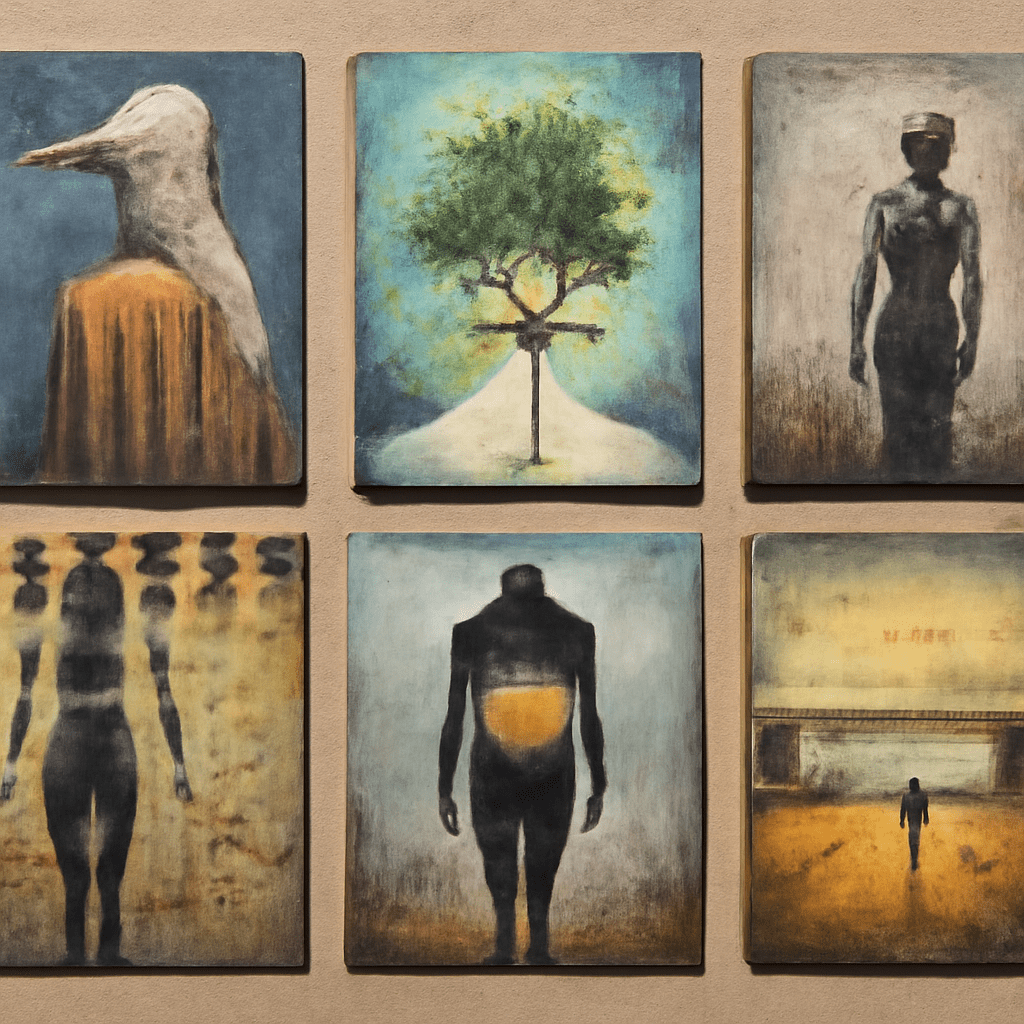
Encaustic painting, a captivating and versatile art form, combines creativity with technique. If you’ve ever wondered what encaustic painting is, you’re in for a fascinating journey through a world of wax and color. This ancient technique, which involves using heated beeswax mixed with pigments, offers endless possibilities for artists seeking to push their creative boundaries. Learning about encaustic techniques can open up new avenues for expression and experimentation, allowing you to bring textured, luminous art pieces to life.
While traditional methods have been practiced for centuries, contemporary artists have reimagined encaustic painting to fit modern sensibilities. Mastering this technique involves understanding the relationship between medium and tool and knowing how to manipulate wax to achieve desired effects. Dive into the world of encaustic art and discover how this technique can become a staple in your artistic repertoire.
What is Encaustic Painting?
History of Encaustic Art
The roots of encaustic painting trace back to ancient Greece, where artists utilized hot wax to create vibrant portraits and murals. The method was revered for its durability and vividness, allowing artworks to withstand the test of time. Roman and Egyptian artists further embraced encaustics, using it to adorn statues and sarcophagi. Exploring the techniques of encaustics provides insights into a historical method that has continually evolved, adapting to new materials and artistic styles over centuries.
Modern Applications of Encaustics
Today’s artists have expanded the boundaries of encaustic painting, incorporating modern technologies and materials. From abstract compositions to realistic landscapes, encaustics allow for diverse expressions. Utilizing heat guns and electric tools, you can manipulate wax in innovative ways, creating layered textures and depth. The evolution of encaustic techniques has enabled artists to experiment with mixed media, unlocking new creative potentials.
Materials and Tools You Need
Essential Tools for Encaustic Painting
Embarking on an encaustic art journey requires a set of specific tools. A reliable heat source, such as a hot plate or encaustic burner, is crucial for melting wax. Brushes, palette knives, and scrapers help apply and shape the medium. Ensuring that you have precision tools like styluses and carving instruments will enhance your ability to create intricate details. Consider investing in a sturdy work surface and ventilation systems to maintain a safe and efficient workspace.
Choosing the Right Encaustic Mediums
Understanding what encaustic painting is involves selecting the right mediums. Encaustic paints come in various colors and consistencies, allowing for flexibility in your artistic approach. Beeswax serves as the base, often mixed with damar resin for stability and sheen. Pigments provide the color palette for your compositions, while additives can alter transparency and texture. Exploring different encaustic mediums will enable you to tailor your creations to your artistic vision.
Mastering the Encaustic Technique
Basic Techniques for Beginners
As a beginner, mastering the foundational encaustic techniques is essential. Start with simple methods like layering wax to build color depth, or incising lines and shapes for texture. Practice fusing layers with controlled heat application to ensure stability and uniformity. Experimenting with various brushes and tools will help you become accustomed to the medium’s unique properties. Remember, patience and practice are key as you develop your unique style.
Advanced Encaustic Painting Methods Once you’ve grasped the basics, advanced techniques in encaustic art await you. Try embedding objects like fabric or paper into the wax for mixed media compositions. Delve into carving and sculpting the wax surface, allowing the underlayers to come through. Working with stencils and masks can create controlled shapes and patterns. As you refine your skills, explore the potential of incorporating digital prints and images into your encaustic pieces.
Inspiration and Ideas for Your Encaustic Art
Finding Creative Inspiration
Inspiration for encaustic painting can come from various sources. Nature provides endless motifs and textures, while urban environments offer geometric and abstract inspiration. Study the works of renowned encaustic artists to see how they interpret the medium. Attending workshops and exhibitions can spark new ideas and techniques. Keeping a sketchbook to jot down concepts and observations will be invaluable as you explore the artistic potential of encaustic techniques.
Showcasing Your Encaustic Artwork
Displaying your encaustic art requires thoughtful consideration of light and environment. Encaustic pieces have a distinctive sheen that can be enhanced by strategic lighting. Explore galleries and online platforms to reach a wider audience and connect with other artists. Personalize your presentation style by experimenting with framing and installation techniques. Sharing your work and engaging with the art community will provide valuable feedback and recognition.