
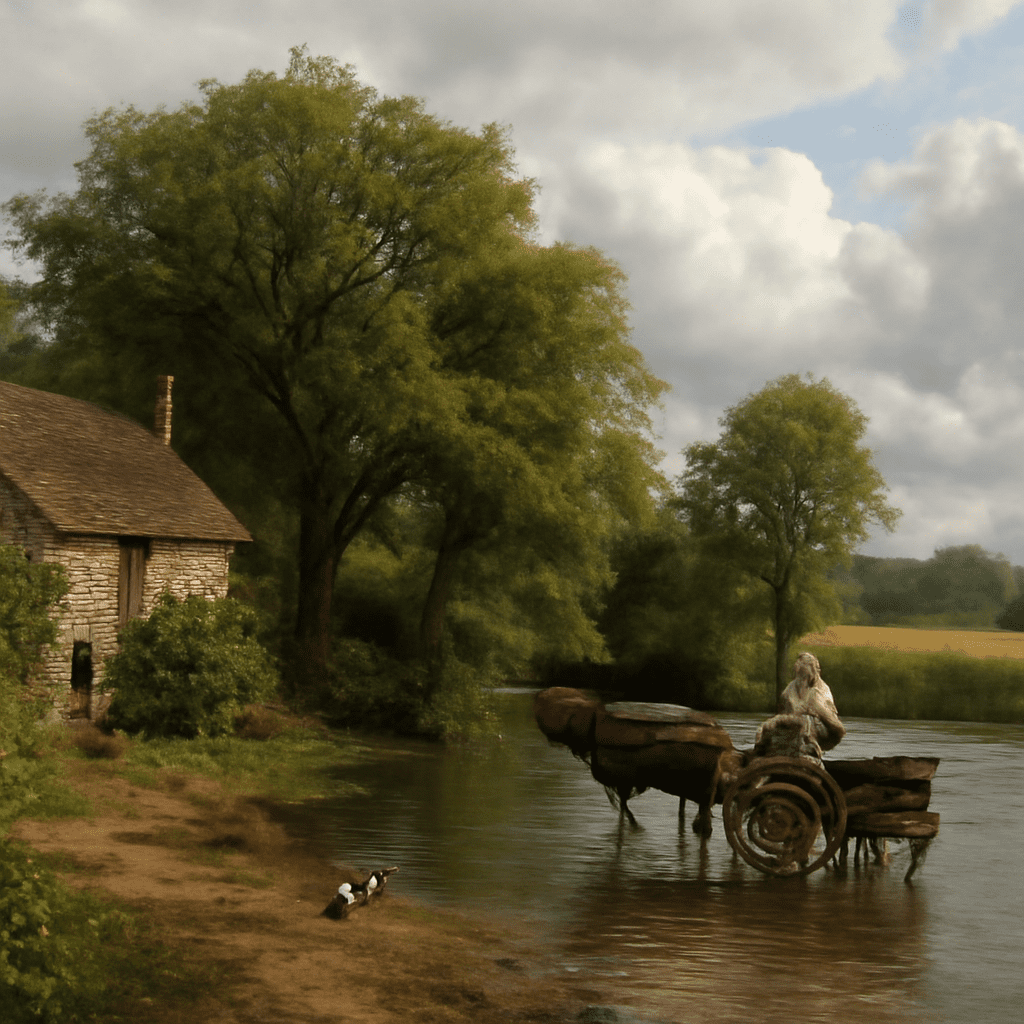
Throughout history, art has been a powerful medium, capturing the depth of human emotion and the beauty of the world around us. One such noteworthy movement is Romantic Art, which seeks to explore and convey passionate creativity through its expressive and emotive works. This exploration of romantic paintings unravels an era that thrived on emotion, beauty, and a profound connection with nature. By delving into famous romantic paintings, you can uncover the essence of this movement and its lasting impact on the art world.
To understand how to create your own romantic artwork, it’s vital to grasp the key characteristics that define this style. Through examining famous works and their influence on modern art, you can find inspiration and guidance in cultivating your own artistic expression. This journey invites you to immerse yourself fully in the realm of Romanticism, where passion and creativity meet on canvas.
Introduction to Romantic Art
Romantic Art emerged in the late 18th century as a response to the Enlightenment’s focus on reason and order. Artists of this movement sought to express intense emotions and individualism, emphasizing a connection to nature and the sublime. This art form was not only about aesthetics but also a means of exploring the human condition, delving into themes of love, loss, and the power of imagination.
The movement was characterized by its emphasis on emotional depth and the depiction of dramatic, often tumultuous scenes. Romantic paintings aimed to evoke strong feelings, pulling viewers into a world where the ordinary becomes extraordinary through the skillful use of color, light, and shadow.
Characteristics of Romantic Paintings
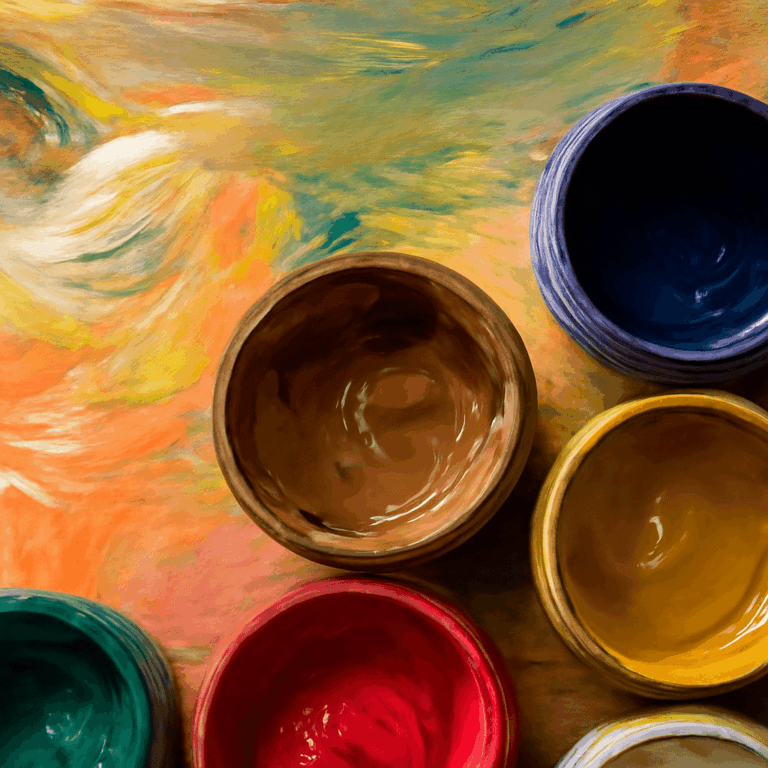
Romantic paintings are known for their bold use of color and dramatic contrasts that bring scenes to life. Artists employed a variety of techniques to create dynamic compositions, often featuring elements of nature as central themes. The portrayal of nature as an overwhelming force reflects the Romantic belief in its power and beauty.
Another defining characteristic is the focus on individual expression. Romantic artists conveyed their personal vision and emotions, seeking to connect with viewers on an intimate level. This personal touch is evident in the brushwork, which often appears free and expressive, capturing fleeting moments of passion and intensity.
Romantic paintings may also include allegorical elements, telling stories or conveying deeper meanings through symbolism. These works invite viewers to engage with the narrative, uncovering layers of meaning hidden within the artwork.
Famous Romantic Paintings to Inspire You
Many famous romantic paintings continue to inspire artists and admirers alike. One such masterpiece is Eugène Delacroix’s “Liberty Leading the People,” which embodies the spirit of freedom and revolution. The painting’s dynamic composition and vibrant colors capture the intensity of the moment, drawing viewers into the historical scene.
Another iconic work is “The Raft of the Medusa” by Théodore Géricault. This powerful piece depicts the aftermath of a shipwreck, exploring themes of survival and despair. The raw emotion and dramatic use of light and shadow make it a quintessential example of Romantic art.
J.M.W. Turner’s “The Fighting Temeraire” is renowned for its evocative portrayal of the decommissioned ship sailing into the sunset. The painting’s atmospheric effects and use of color create a poignant reflection on the passage of time and the inevitability of change.
The Influence of Romantic Painting on Modern Art
Romantic painting has had a profound impact on modern art, influencing various movements and artists. The emphasis on emotion and individual expression paved the way for later styles such as Expressionism and Surrealism, which also prioritize the subjective experience.
In addition, the Romantic focus on nature and the sublime can be seen in the works of contemporary landscape artists who continue to explore these themes. The Romantic legacy lives on in their use of color and light to evoke mood and emotion.
Moreover, the narrative aspect of Romantic paintings has inspired modern artists to incorporate storytelling into their work, using symbolism and allegory to convey complex ideas and emotions.
Creating Your Own Romantic Artwork
To create your own romantic artwork, start by exploring themes that resonate with you personally. Consider the emotions and stories you wish to convey, and think about how you can express them through your art.
Experiment with bold colors and dynamic compositions, drawing inspiration from the dramatic scenes found in famous romantic paintings. Let your brushwork be expressive, capturing the essence of the moment and allowing your personal vision to shine through.
Incorporate elements of nature, such as landscapes or weather phenomena, to imbue your work with the awe-inspiring power of the sublime. Use symbolism to add depth and layers of meaning, inviting viewers to engage with the narrative you present.
Pro tips recap: Embrace emotional depth and individual expression in your work. Draw inspiration from famous romantic paintings, and experiment with color, composition, and symbolism. Let your personal vision guide your artistic journey, creating powerful and emotive artwork that resonates with viewers.