In a world that often races by, still life paintings offer a moment of contemplation, capturing the beauty and detail that everyday objects hold. Through famous still life, we can explore a rich tapestry of cultural and historical influences, each work a testament to the skill and imagination of the famous still life artists who created them. By delving into these pieces, you not only appreciate the artistry but also gain insights into the techniques that aspiring artists can employ to become a still life artist themselves.
Whether you’re drawn by the allure of mastering this timeless genre or simply wish to understand the essence of still art, you’re embarking on a journey steeped in tradition and innovation. Let’s uncover the secrets of creating captivating compositions and delve into the histories of those who have left an indelible mark on the world through their still life artist techniques.
The Essence of Still Life Paintings
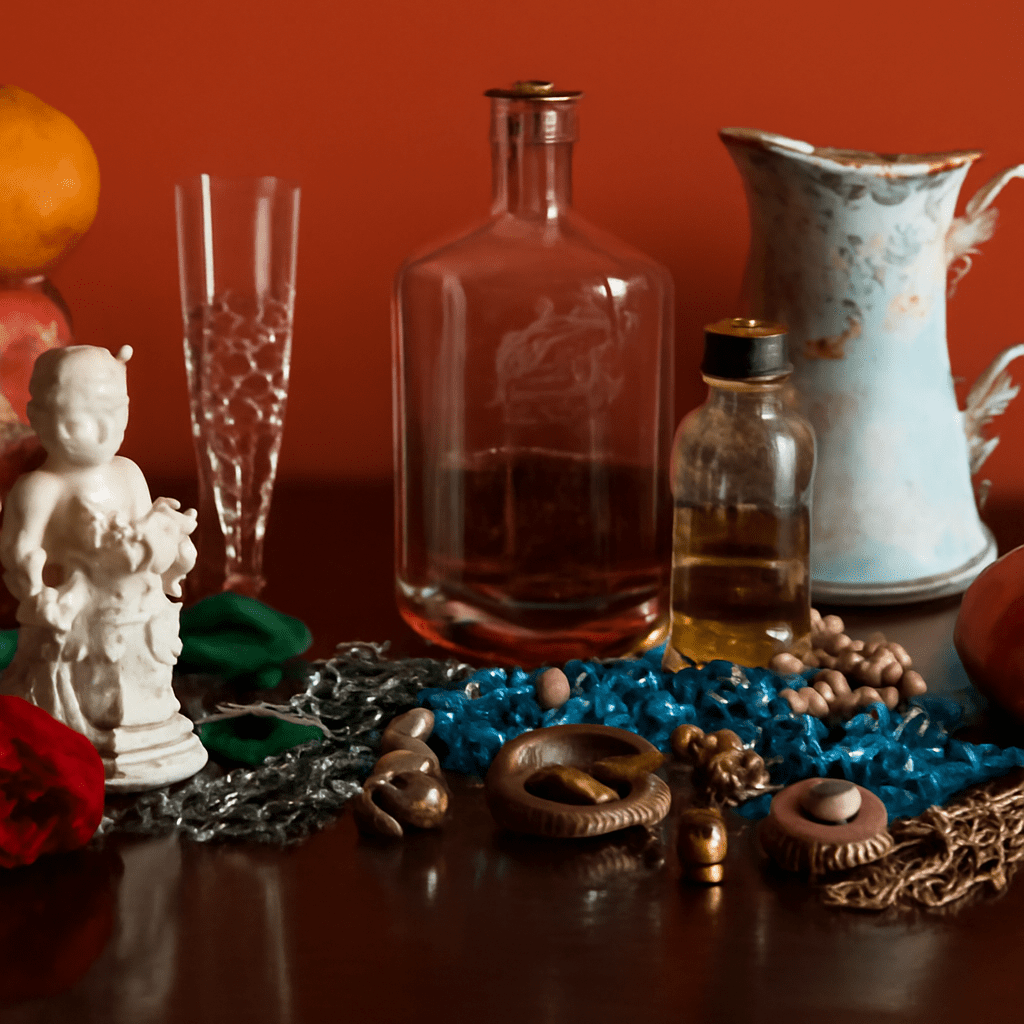
Still life paintings invite you to explore a scene where objects come alive in their stillness. These compositions, often featuring fruits, flowers, and household items, are more than mere arrangements; they are a study in form, color, and light. The essence of still life paintings lies in their ability to transform mundane subjects into captivating works of art. Through careful observation and skillful application of painting techniques, you can learn to imbue objects with meaning and depth.
By engaging with the subject matter, you begin to notice subtleties such as the play of light on surfaces and the harmony of colors. Creating a successful still life requires not only technical skills but also an artistic vision that enables you to see beyond the ordinary.
A Brief History of Still Art
The origins of still art can be traced back to ancient civilizations, where depictions of food and objects were common in murals and mosaics. However, it was during the Renaissance that still life paintings truly began to flourish as a distinct genre. Artists of the time sought to elevate the everyday, focusing on realistic representations and symbolic meanings. This period saw the rise of famous still life artists who explored themes such as mortality and abundance.
As the art world evolved, so did the styles and approaches to still life. From the opulent Baroque compositions to the simplicity and clarity of the Dutch Masters, each era brought its own interpretation, contributing to a rich and diverse history that continues to inspire artists today.
Famous Still Life: Iconic Works to Know
Famous still life paintings often serve as reference points for understanding the genre’s impact. Works like Paul Cézanne’s “Still Life with Apples” and Vincent van Gogh’s “Sunflowers” are celebrated for their innovative use of color and form. These iconic pieces demonstrate the artists’ ability to see the extraordinary in the ordinary, bringing a unique vision to the canvas.
Exploring these artworks allows you to gain an appreciation for the techniques used by famous still life artists. By studying the layering of colors, brushwork, and composition, you can learn to apply similar methods to your own creations, breathing life into your still life endeavors.
Exploring Famous Still Life Artists
The journey of discovering famous still life artists is one of understanding their influences and innovations. Artists like Giorgio Morandi and Henri Matisse each brought their unique perspectives to still life, leaving a legacy of creativity and experimentation. By examining their works, you can gain insight into their approaches to composition, color harmony, and thematic exploration.
As you delve into the lives of these artists, consider how their backgrounds and experiences shaped their artistic output. Recognizing the diverse paths taken by these masters can inspire your own journey, encouraging you to find your voice within the realm of still life.
Becoming a Still Life Artist: Tips and Techniques
To become a successful still life artist, it’s essential to hone your skills and develop a keen eye for detail. Start by practicing drawing and painting simple objects, paying attention to light, shadow, and form. Experiment with different materials and techniques, such as glazing and impasto, to find what resonates with your artistic style.
Learning from the masters is invaluable. Study famous still life works and try to replicate them, focusing on technique and composition. Over time, you’ll develop the confidence to experiment and create original pieces that reflect your vision.
Remember, patience and persistence are key. As you refine your still life artist techniques, you’ll discover the joy of capturing the beauty of everyday objects, transforming them into timeless pieces of art.
Safety Recap: If you’re using tools like knives or working with fragile objects, always handle them with care to prevent injury or damage. Additionally, when working with paints and solvents, ensure proper ventilation to maintain a safe and comfortable workspace.