



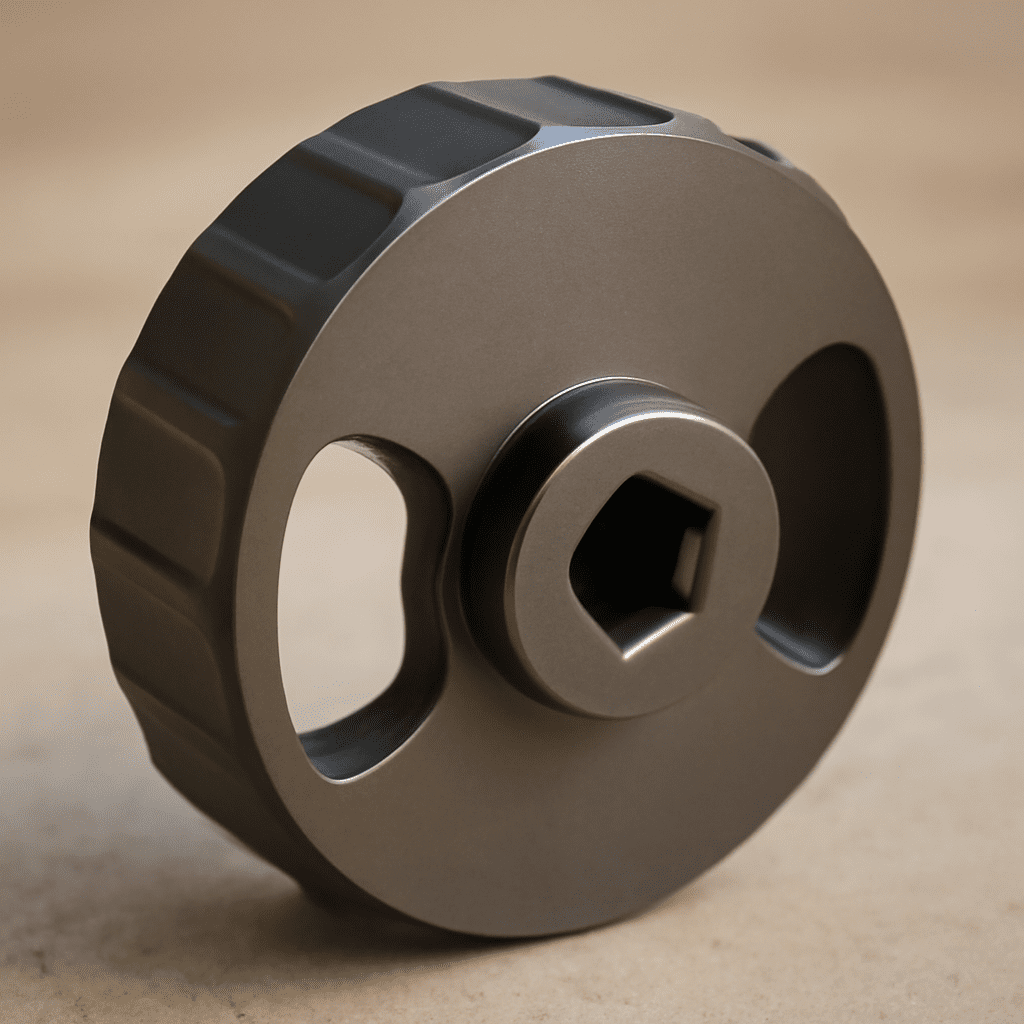
Changing your car’s oil is a crucial maintenance task that can enhance engine performance and extend the lifespan of your vehicle. However, struggling with a stubborn oil filter can quickly turn this routine job into a frustrating ordeal. Fortunately, with the right oil filter wrench in your toolkit, you can transform this task into a smooth and efficient procedure. By understanding the differences among oil change wrenches and selecting the appropriate oil filter sockets, you will save time and energy while ensuring a secure and clean oil change.
Below, you’ll discover the essential tools and techniques to master the oil filter wrench, ensuring that your car maintenance tasks are as hassle-free as possible. We’ll delve into the different types of oil filter tools available, how to choose the right one for your specific needs, and how to use these tools effectively, ultimately making your DIY oil change an enjoyable experience.
Understanding the Oil Filter Wrench Basics
What is an Oil Filter Wrench?
An oil filter wrench is a specialized tool designed to remove and install oil filters in vehicles. These tools are crucial for reaching into tight spaces and providing the necessary grip and leverage to twist off the oil filter without damaging it. Whether you’re a seasoned mechanic or a DIY enthusiast, understanding how these wrenches work can simplify your vehicle maintenance routine.
Types of Oil Filter Tools
Oil filter tools come in several forms, each suited to different types of filters and vehicles. One popular type is the strap wrench, which wraps around the filter for a secure grip. The claw wrench, another variety, uses metal prongs to latch onto the filter’s surface. Additionally, the cup-style oil filter socket fits over the end of the filter, providing a snug fit that minimizes slippage. Each type of tool offers unique advantages, and choosing the right one depends on your specific needs and the make and model of your vehicle.
Choosing the Right Oil Filter Tool for Your Needs
Factors to Consider
When selecting an oil filter tool, consider factors such as the size and type of the filter, the space available around the filter, and your personal comfort with different tool designs. It’s essential to ensure that the tool you choose provides a good fit to prevent any potential damage to the filter or housing. Additionally, consider the material and build quality of the tool for durability and long-term use.
Popular Brands and Models
Several brands are renowned for their reliable and durable oil filter tools. Brands like Lisle, GearWrench, and Craftsman offer a range of options that cater to both professional mechanics and DIY enthusiasts. Each brand provides specific models that suit various filter sizes and vehicle types, making it easier to find a tool that meets your requirements and preferences.
How to Use an Oil Filter Socket Effectively
Step-by-Step Guide To use an oil filter socket effectively, follow these steps: Begin by ensuring your vehicle is parked on a level surface and safely lifted. Locate the oil filter and attach the appropriate oil filter socket. Turn the socket counterclockwise to loosen the filter, taking care to catch any oil that may spill. Remove the old filter and replace it with a new one, ensuring it’s securely tightened with the socket. Double-check for any leaks before lowering the vehicle back to ground level.
Common Mistakes to Avoid
Avoid common errors such as overtightening the filter, which can damage the gasket and lead to leaks. Ensure the oil filter socket is the correct size to prevent slipping and stripping of the filter. Lastly, always double-check that the old gasket is removed before installing a new filter to prevent leakage issues.
Maintaining Your Oil Wrench for Longevity
Proper maintenance of your oil wrench ensures it remains effective for years. Clean the tool after each use to remove any oil residue, and store it in a dry place to prevent rust. Regularly inspect the wrench for any signs of wear or damage and replace parts as necessary to maintain optimal performance.
Oil Filter Tool Tips and Tricks from the Pros
Professional mechanics often recommend keeping a diverse selection of oil filter tools in your garage to accommodate different vehicles. Practice using the tools on spare filters to gain confidence and speed in your approach. Additionally, investing in a quality oil filter wrench set can save you time and effort in the long run by providing the right tool for every job.
Pro tips recap: To master oil filter tools, always choose the right type and size for your vehicle, practice good maintenance habits, and learn from expert tips to refine your technique. With these strategies, you’ll handle oil changes with ease and efficiency, transforming a mundane task into a streamlined part of your car care routine.