

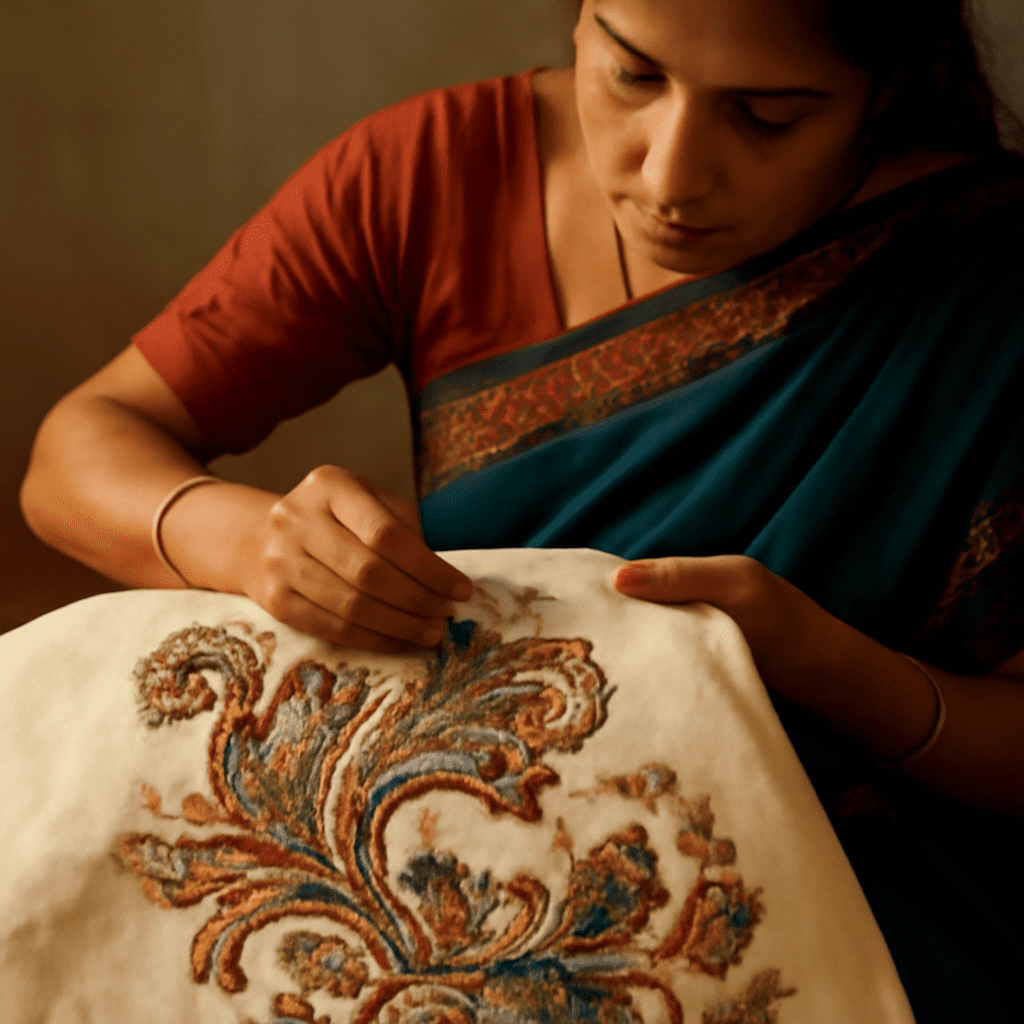
Designers and artists have long been captivated by the intricate and mesmerizing allure of paisley motifs. These iconic designs, rich in history, offer a unique blend of cultural influence and modern relevance. If you’ve wondered how these motifs can fit into contemporary design practices, you’re not alone. Incorporating these timeless paisley shapes into your work can elevate your creations with a touch of elegance and historical depth.
From understanding the basics of paisley patterns to creating your own unique designs, this article will guide you through every step. Whether you’re a seasoned artist or a beginner looking to explore new creative avenues, delving into the world of paisley design will inspire and enhance your artistic journey.
The Origin and History of Paisley Patterns
The Evolution of Paisley Motifs Originating from the ancient Persian Empire, paisley motifs have a storied past that dates back to centuries-old textile designs. These elaborate patterns, often resembling a teardrop or fig shape, were first popularized in India before making their way to Europe in the 18th and 19th centuries. The intricate designs of paisley motifs have continued to evolve, capturing the essence of their cultural roots while adapting to new artistic influences.
As fashion and design trends have shifted over time, paisley motifs have maintained their appeal due to their versatility and symbolic richness. They have been utilized in various cultural contexts, from traditional clothing to modern home décor, demonstrating their enduring presence in the design world.
Paisley in Modern Design
In contemporary art and design, paisley patterns have seen a resurgence in popularity. The appeal lies in their ability to blend traditional elements with modern aesthetics, making them suitable for a wide range of applications. Whether integrated into fashion, graphic design, or interior décor, paisley shapes offer a timeless elegance that resonates with both classic and contemporary styles.
Modern designers often experiment with color schemes and scale to adapt paisley motifs to current trends. These adaptations ensure that paisley patterns remain relevant, appealing to a generation that values both history and innovation in design practices.
Understanding Paisley Design Elements
Characteristics of Paisley Shapes Paisley shapes are characterized by their distinctive curved forms and intricate detailing. Typically resembling a twisted tear with a rounded end, these shapes are often filled with floral motifs, swirls, and geometric patterns. The complexity of paisley designs allows for endless variation, providing artists with a canvas to explore their creativity.
When integrating paisley shapes into your work, consider the balance and flow of the overall design. The harmonious interplay of curves and lines is essential for creating visually appealing and cohesive patterns.
Color Schemes in Paisley Patterns
Color plays a crucial role in defining the mood and impact of paisley patterns. Traditional color schemes often feature rich, vibrant hues such as deep reds, indigos, and golds, reflecting their Persian and Indian origins. In modern applications, designers frequently experiment with pastel shades or monochromatic palettes to give paisley patterns a fresh, contemporary feel.
As you develop your own paisley design, pay attention to color harmony and contrast. The right combination of colors can enhance the intricate details of the pattern, adding depth and dimension to your work.
How to Create Your Own Paisley Design
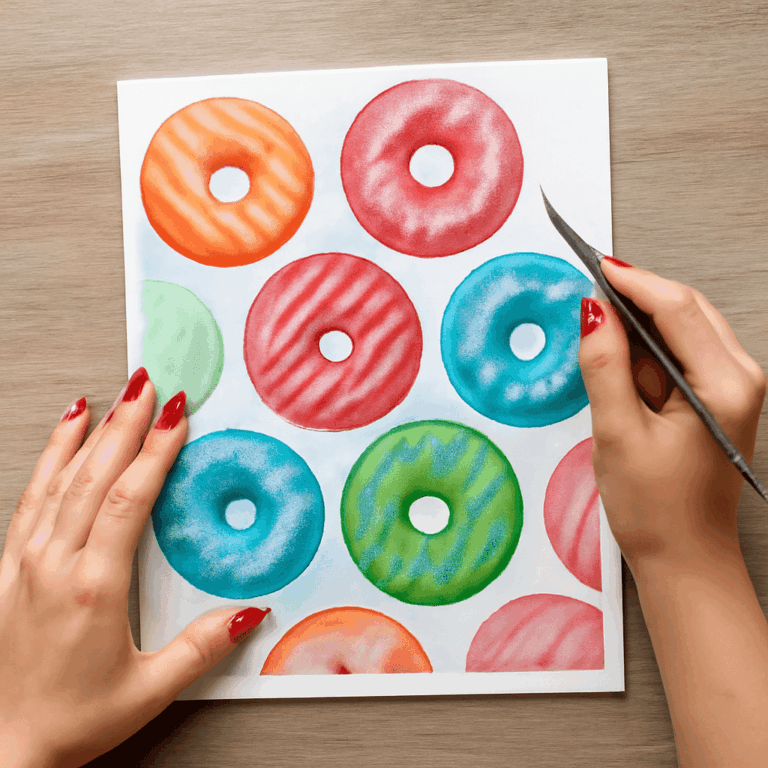
Tools & Materials Needed Creating a paisley design requires a few essential tools and materials. Start with high-quality drawing paper and pencils for sketching. Fine-line pens are excellent for adding detail, while colored pencils or watercolor paints can bring your design to life with vibrant hues.
For digital designers, graphic design software offers an array of tools to replicate the intricate nature of paisley patterns. Mastery of these tools will allow you to manipulate designs with precision and ease, catering to both traditional and modern artistic expressions.
Step-by-Step Drawing Guide
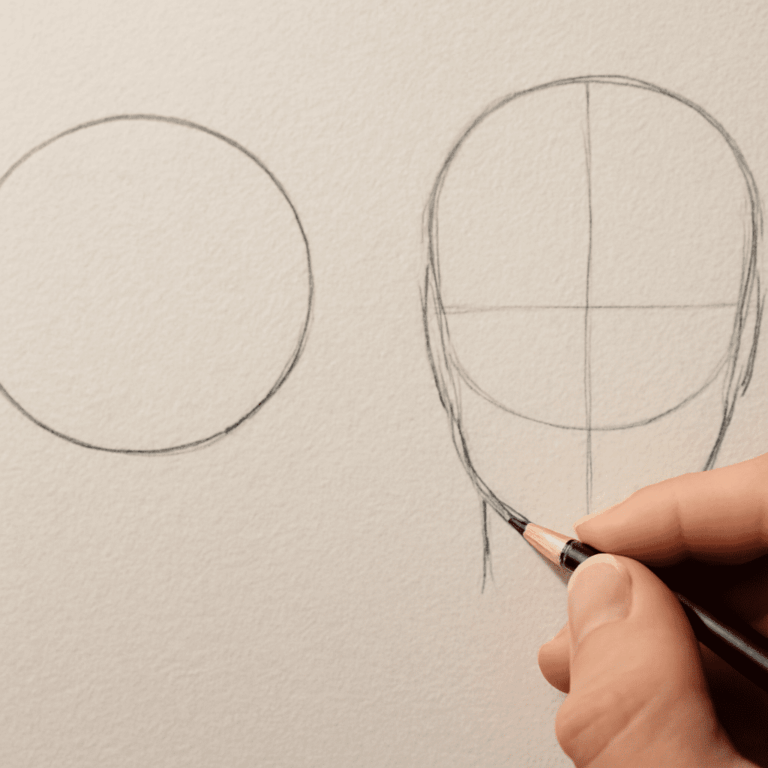
To begin creating your paisley design, start by sketching the basic teardrop shape. Enhance this foundation by adding swirling lines and floral elements inside the shape. Continue building complexity by layering different patterns, such as geometric forms or small floral accents, to fill the space.
Refine your sketch with a fine-line pen to enhance the details. Once satisfied, incorporate color using your chosen medium. This step allows you to experiment with color schemes, adding depth and personality to your paisley design.
Incorporating Paisley into Your Art Projects
Creative Uses of Paisley Motifs Paisley motifs can be incorporated into a variety of art projects, ranging from textile and fashion design to graphic illustrations and even pottery. Their versatility makes them an excellent choice for adding a unique touch to your creations. Consider using paisley shapes to embellish clothing, create intricate wallpapers, or design captivating art prints.
Exploring these creative opportunities allows you to bring the timeless elegance of paisley patterns into different artistic domains, enriching your portfolio with a touch of historical charm.
Tips for Beginners
If you’re new to drawing paisley patterns, start small. Focus on mastering the basic shape and gradually introduce more complex elements as you gain confidence. Practice consistently, and don’t shy away from experimenting with different styles and color combinations.
Seek inspiration from various sources, such as fabrics, historical art, and contemporary designs, to broaden your understanding and appreciation of paisley motifs. This exploration will enrich your creative process and help you develop your unique interpretation of these classic patterns.
Conclusion: The Enduring Appeal of Paisley
Paisley patterns continue to captivate artists and designers worldwide, testament to their timeless elegance and adaptability. By mastering the art of paisley design, you can create works that honor tradition while showcasing your contemporary flair. The journey into the world of paisley offers endless possibilities for creativity, ensuring its relevance for generations to come.
Safety recap: When using tools to create your paisley designs, ensure proper handling to avoid injury. For color care in your projects, test different mediums on scrap paper to achieve the desired effect before applying them to your final design.