



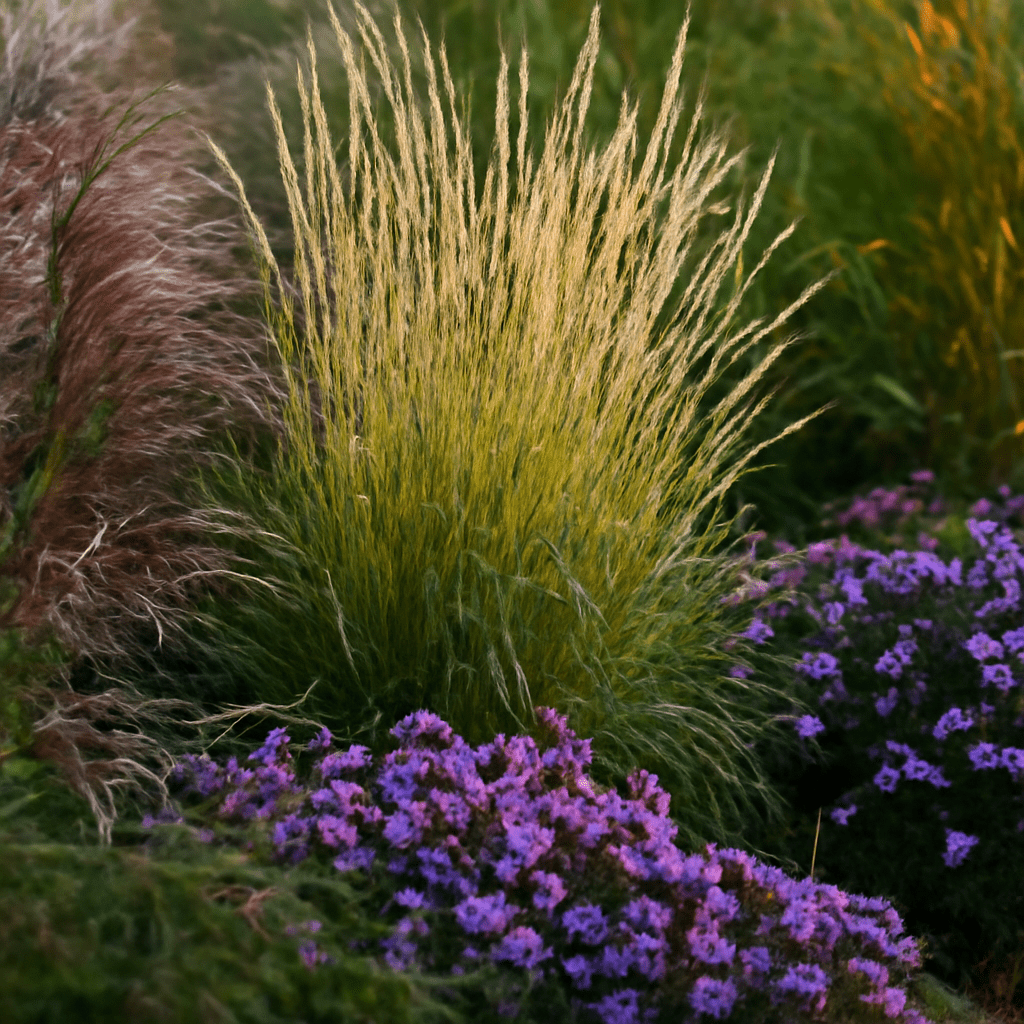
Incorporating ornamental grasses into your garden design can transform an average landscape into a beautiful, serene oasis. This problem of monotonous garden aesthetics finds a solution in these versatile plants. Ornamental grasses offer a combination of texture, movement, and color that few other plants can match, making them an excellent choice for any landscape. By understanding how to utilize perennial grasses effectively, you can enhance your outdoor space with ease and elegance.
Understanding Ornamental Grasses
What Are Ornamental Grasses?
Ornamental grasses are a diverse group of plants known for their aesthetic appeal and adaptability. Unlike traditional lawn grasses, these decorative grasses are chosen for their visual interest. They vary in height, color, and texture, offering a range of design possibilities. Many varieties are hardy perennials, meaning they return year after year, making them a long-term investment for your garden.
Benefits of Using Ornamental Grasses
The benefits of using ornamental grasses in your landscape are numerous. These plants are low-maintenance and drought-tolerant, making them ideal for eco-friendly gardens. They provide year-round interest, with changing colors and textures as the seasons progress. Furthermore, ornamental grasses can attract wildlife, offering shelter and food for birds and pollinators.
Choosing the Right Perennial Grasses for Your Garden
Top Perennial Grass Varieties
Choosing the right perennial grasses is crucial for a successful garden. Some popular varieties include Miscanthus, known for its feathery flower heads, and Pennisetum, prized for its distinct bottlebrush blooms. Blue fescue offers a striking blue hue, while the airy texture of Muhlenbergia adds a whimsical element to your garden.
Factors to Consider When Choosing
When selecting perennial grasses, consider your garden’s climate, soil type, and the amount of sunlight available. Match the grass’s growth habits with your garden’s space to avoid overcrowding. Also, think about color and texture combinations to create a cohesive design.
How to Incorporate Decorative Grass in Your Landscape Design
Design Tips for Using Decorative Grass
Incorporating decorative grass into your landscape design involves creativity and planning. Use grasses to create natural borders or as a backdrop for flowering plants. Mixing different heights and textures can add layers and depth to your garden. Experiment with planting in clusters or as single focal points for varied effects.
Common Mistakes to Avoid
Avoid common mistakes like overcrowding, which can stunt plants’ growth and reduce their visual impact. Ensure that each grass type receives appropriate sunlight and space. Overwatering is another pitfall; decorative grasses typically require less water than other plants.
Maintenance Tips for Landscaping Grass
Watering and Feeding
Proper maintenance of landscaping grass involves regular, but not excessive, watering. Most ornamental grasses are drought-tolerant once established, needing only occasional watering during dry spells. Fertilize sparingly; an annual application of a balanced fertilizer in early spring is usually sufficient.
Pruning and Trimming
Pruning is essential for maintaining the health and appearance of your ornamental grasses. Trim back dead foliage in late winter or early spring before new growth appears. Some grasses may benefit from being divided every few years to prevent crowding and promote vigorous growth.
Next steps: With your newfound knowledge of ornamental grasses, it’s time to put these ideas into practice. Start by selecting the right grasses for your garden, considering your specific environment and design goals. Regular maintenance will ensure that your landscape remains healthy and beautiful throughout the seasons.