



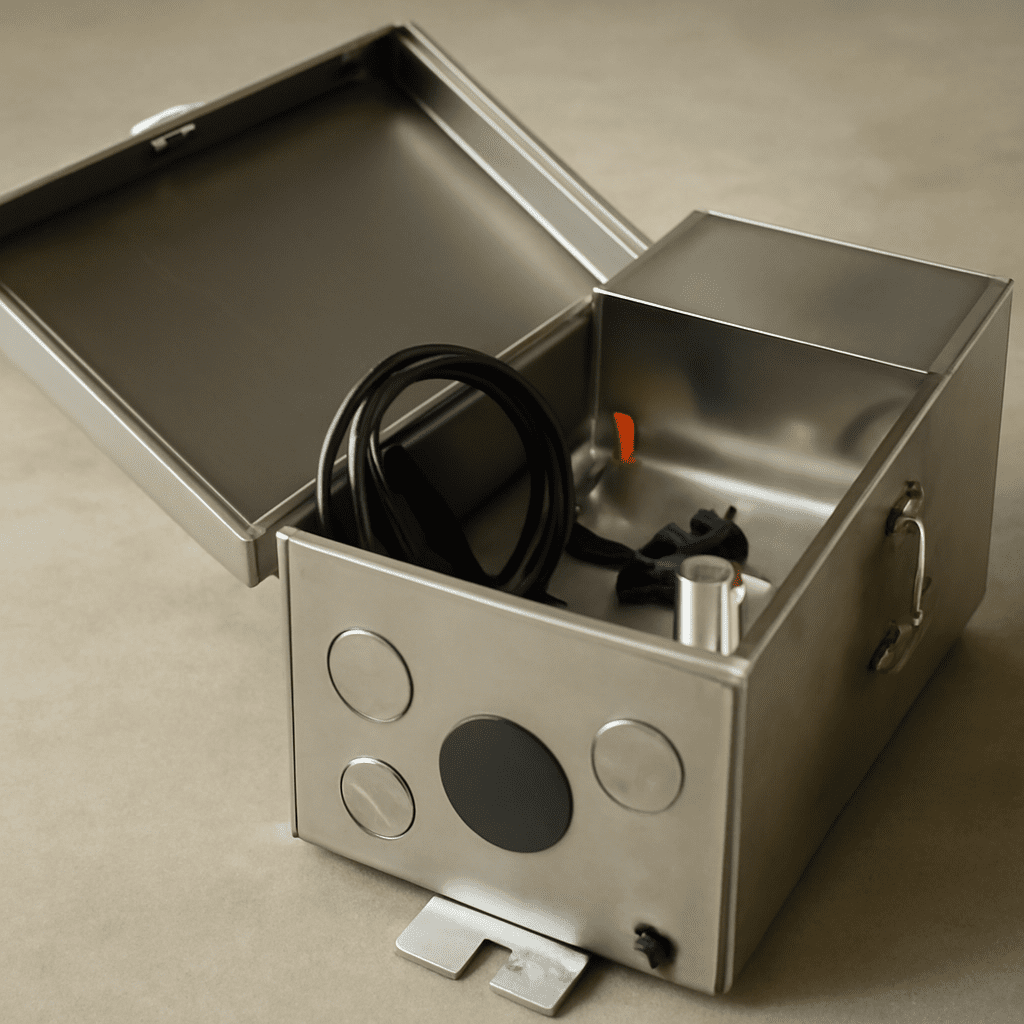
In the realm of design, lighting plays a pivotal role, bringing spaces to life with ambiance and style. However, without proper knowledge of technology like low voltage lighting transformers, achieving the desired effect can be daunting. These crucial components are particularly essential for creating stunning outdoor setups, including landscape lighting. Understanding how to choose and install the right transformer can transform your vision into reality, allowing for tailored and efficient illumination.
The key to effectively using landscape light transformers lies in selecting models that align with your design goals. Whether it’s enhancing pathways with soft glows or accentuating garden features, the right transformer can make all the difference. This article will guide you through understanding various transformer types, their applications, and how to integrate them into your projects.
What is a Low Voltage Transformer?
A low voltage transformer is an electrical device that reduces the standard household voltage of 120 volts to a safer, lower level, typically between 12 to 24 volts. This transformation is critical for powering low voltage lighting systems, which are more energy-efficient and safer than their high-voltage counterparts. Whether illuminating a garden or creating mood lighting for a patio, these transformers play a central role in achieving the desired aesthetic and functionality.
Understanding how low voltage systems operate can significantly impact your design process. By adapting the transformer to the specific needs of your project, you can achieve efficient power distribution while maintaining safety standards. This knowledge not only enhances the visual appeal of your project but also ensures longevity and reliability.
Choosing the Right Low Voltage Lighting Transformer
Selecting the appropriate low voltage lighting transformer involves considering several factors, including wattage, type, and compatibility with your lighting design. It’s crucial to calculate the total wattage of your landscape lights to choose a transformer that can handle the load. Oversized transformers can lead to energy waste, while undersized ones might cause frequent tripping or failure.
Another consideration is the type of transformer: magnetic or electronic. Magnetic transformers are robust, often used for larger installations, and can handle long cable runs. Electronic transformers, however, are lighter and more compact, suitable for smaller projects. Ensuring the transformer is compatible with the lights you choose will streamline the installation process and provide consistent performance.
Why Use a Landscape Light Transformer?
The use of a landscape light transformer can dramatically alter your outdoor spaces by providing safe, reliable power to your lighting fixtures. These transformers allow you to create unique lighting designs without the risk associated with high voltage electricity. Whether it’s illuminating pathways, accentuating architectural features, or spotlighting garden elements, a well-chosen transformer is essential.
Moreover, landscape light transformers are designed to withstand outdoor conditions, ensuring durability and long-lasting performance. By converting high voltage to a safer low voltage, these devices help minimize energy consumption, translating into cost savings on your electricity bill.
Design Tips for Low Voltage Landscape Transformers
When incorporating low voltage landscape transformers into your design, consider the lighting’s purpose and placement. Start by mapping out the areas you wish to illuminate and choose lighting fixtures that highlight those spaces effectively. Think about the transformer’s location to minimize cable lengths and avoid voltage drop, which can diminish performance.
Experimenting with different light intensities and colors can add depth and dimension to your design, enhancing the overall ambiance. Plan to use timers or smart controls to automate lighting schedules, adding convenience and energy efficiency to your setup. This strategic approach ensures your lighting design is both aesthetically pleasing and functional.
Installation Guidelines for Outdoor Low Voltage Transformers
Installing outdoor low voltage transformers requires careful planning and adherence to safety guidelines. Begin by choosing a suitable, weather-resistant location for the transformer, ideally close to a power source to simplify connections. Ensure it’s mounted securely and elevated to prevent water ingress.
Follow the manufacturer’s instructions meticulously during installation. Use waterproof connectors and cables rated for outdoor use to prevent any electrical hazards. Regular maintenance, including checking connections and replacing any damaged components, will keep your system running smoothly and efficiently.
Bottom line: Mastering the use of low voltage transformers in your design projects opens a world of creative possibilities. By carefully selecting, designing, and installing these systems, you can achieve beautiful, safe, and efficient lighting solutions tailored to your needs.