In a world where art constantly evolves, ancient Viking art offers a timeless connection to the past. This vibrant and intricate form of expression, deeply rooted in the Norse culture, continues to capture the imagination of artists and historians alike. Viking artwork is not just about aesthetics; it tells stories of battles, voyages, and everyday life in the ancient Norse world. By understanding the symbols and meanings embedded in Norse artwork, you can unlock a treasure trove of inspiration for your own creations.
As you delve into the world of ancient Norse art, you’ll discover a rich tapestry of symbols and designs that have influenced various artistic movements through the centuries. From the intricate knotwork to the powerful imagery of mythological creatures, Norse art embodies a distinct cultural heritage that remains relevant today.
Understanding the Roots of Norse Art
Norse art, originating from the Scandinavian peoples of the Viking Age, spans the eighth to the eleventh century. This era marked a period of cultural and artistic flourishing, driven by the Norse people’s explorations and interactions with different cultures. The roots of Norse artwork are deeply embedded in their mythology, religion, and daily life. These artworks often feature motifs from nature, interwoven with depictions of gods and heroes from Norse legends.
The techniques used by Norse artists were as diverse as their influences. They employed metalwork, wood carving, and textiles to create pieces that were both functional and decorative. By examining these crafts, you gain insight into the resourcefulness and creativity of the Viking people. Their art was not isolated to one form but was a synthesis of different practices, reflecting their adaptability and innovation.
The Unique Characteristics of Viking Artwork
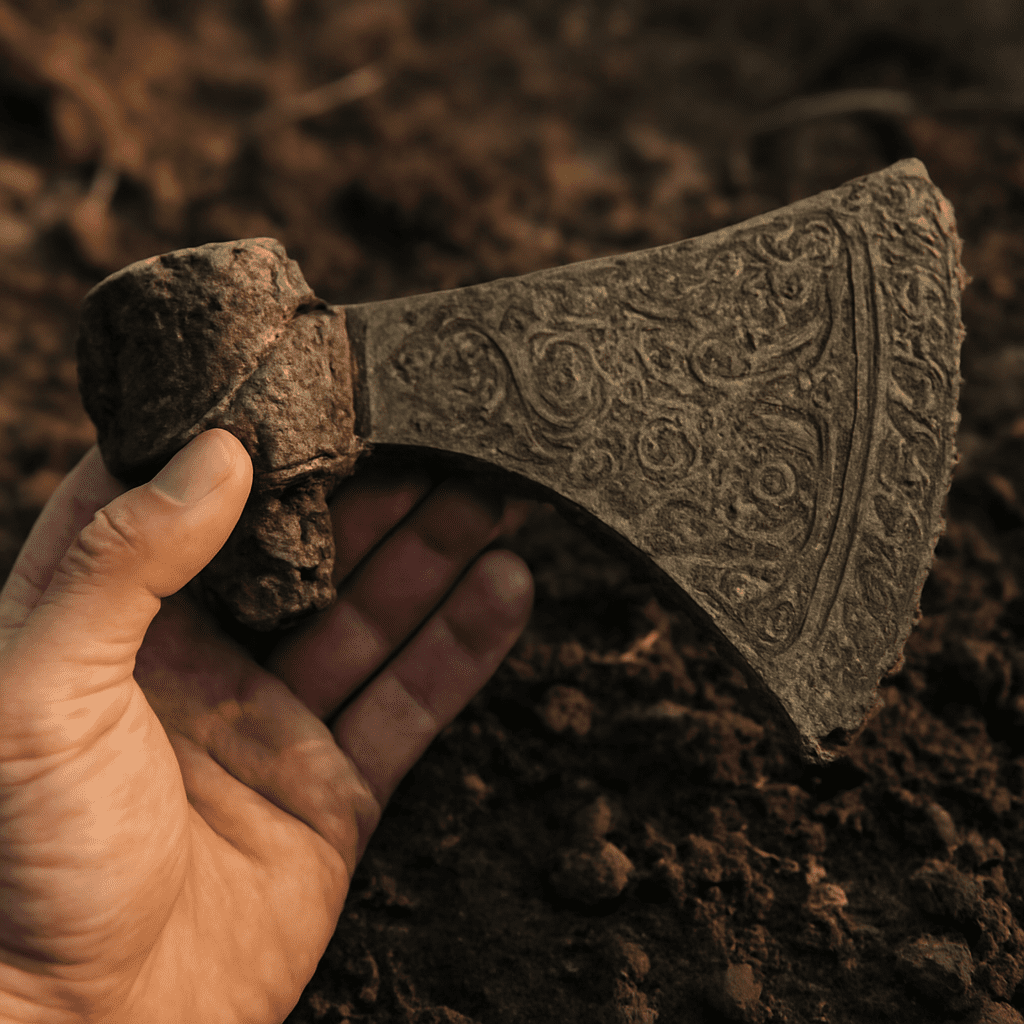
Viking artwork is renowned for its distinctive style, characterized by intricate patterns and stylized animal forms. The animal style, marked by intertwined creatures and abstract shapes, is a hallmark of Norse design. You can find these elements adorning everything from jewelry to ship prows, each piece telling its own story through the complex interplay of lines and forms.
Another key aspect of Viking art is the use of runes—ancient letters used in inscriptions. These symbols were not merely decorative; they held magical significance, believed to convey protection and power. The integration of runic elements into decorations is a testament to the Norse people’s belief in the mystical and its influence on their art.
Exploring Ancient Norse Art: Symbols and Meanings
Symbols play a crucial role in Norse artwork, with each image carrying specific meanings and associations. The Mjölnir, or Thor’s hammer, symbolizes protection and strength, frequently appearing in amulets and carvings. Similarly, the Yggdrasil, the mythical world tree, represents the interconnectedness of life, often depicted in various forms across Norse art.
Understanding these symbols allows you to appreciate the deeper cultural context of Viking artwork. The use of dragons, serpents, and other mythological creatures reflects the Norse fascination with the unknown and the chaotic forces of nature. By exploring these themes, you engage with the philosophical and spiritual dimensions of Norse culture, enriching your appreciation for their artistic achievements.
Influence of Norse Artwork on Modern Design
Norse art has left an indelible mark on modern design, influencing everything from graphic design to fashion. The resurgence of interest in Viking motifs can be seen in contemporary tattoo art, where designs inspired by Norse symbols offer a connection to the past. By incorporating these elements into modern aesthetics, designers pay homage to the timeless appeal of ancient Viking art.
In architecture and interior design, the minimalist yet intricate patterns of Norse art provide inspiration for creating spaces that are both functional and visually engaging. The blend of organic shapes and geometric patterns found in Norse designs offers a unique perspective on balance and harmony, principles that are at the core of many modern design philosophies.
How to Incorporate Ancient Viking Art into Your Creations
Bringing elements of ancient Viking art into your own creations can be both rewarding and challenging. Start by studying the motifs and styles that resonate with you. Whether it’s the intricate knotwork or the powerful imagery of Norse mythology, let these elements inform your creative process.
Consider using traditional materials like leather, wood, or metal to authentically replicate the textures and techniques of Viking artwork. Experiment with different mediums, such as digital design or textile arts, to reinterpret these ancient designs in a modern context. By doing so, you create a dialogue between past and present, honoring the legacy of Norse art while making it your own.
Finally, remain open to the stories and meanings behind the symbols you choose to incorporate. By understanding and respecting the cultural significance of Norse artwork, you can create pieces that are not only aesthetically pleasing but also rich in history and meaning. This approach ensures that the spirit of ancient Viking art continues to inspire and resonate with new audiences.