

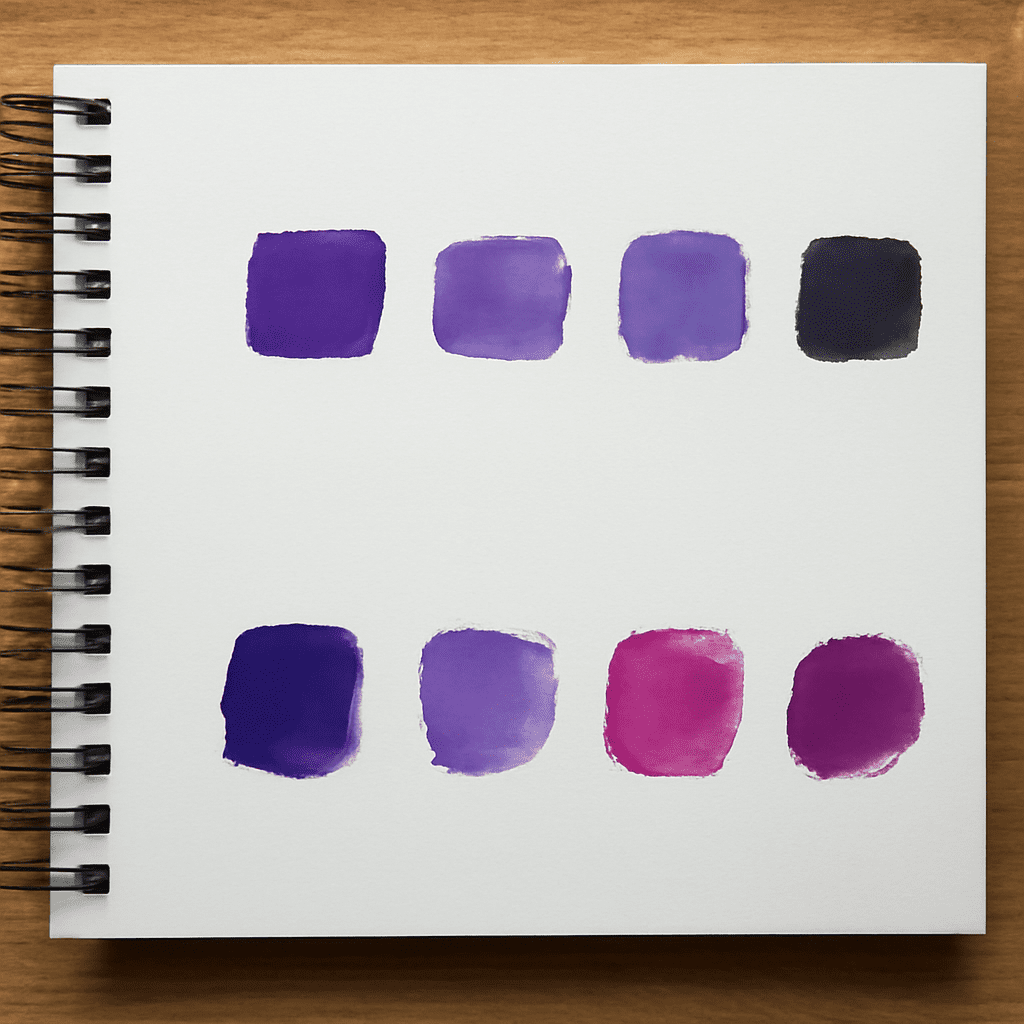
If you’ve ever reached for a tube of purple paint only to find it missing from your kit, you know the frustration. Or perhaps the shade just isn’t right—too dull, too blue, not vibrant enough. The good news is, with a little know-how, you can mix your own dazzling array of purples right on your palette. This article will walk you through how to make purple paint from scratch, reveal what colors mix to make purple, and share expert techniques so you nail the right hue every time.
Whether you’re an acrylics fan, a watercolorist, or you love working in oils, understanding how to mix purple is an essential skill. You’ll learn not just the basics, but how to customize and troubleshoot for the perfect shade. Let’s unlock the science and art behind making purple paint work for you.
Understanding What Colors Mix to Make Purple
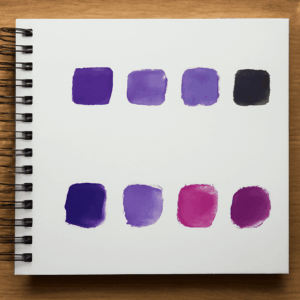
At its core, purple is the result of blending two primary paint colors: red and blue. The precise outcome depends on the types of red and blue you choose. A warm red, such as cadmium red, mixed with a cool blue like ultramarine, yields a deeper, more muted purple. Pairing a cool red, like quinacridone rose, with a warmer blue such as cerulean gives you a lighter, cleaner violet.
Experimenting with various reds and blues lets you explore the full spectrum of purples—from soft lavenders to saturated violets. If you’re working with student-grade paints, you might notice your mixes look less vivid. This usually happens when there are additives or fillers in the paint, so adjusting your ratios or choosing artist-grade pigments makes a difference.
For those wondering what colors make purple beyond just the basics, try using magenta and cyan for mixing purple in its purest form. This combination, often taught in color theory classes, yields purples unmatched in vibrancy. Test out different paint consistencies as well; thicker applications of paint usually result in richer tones, while more water or medium creates delicate washes.
When you’re learning to create purple shades, always start with small amounts and incrementally adjust the proportions of red and blue. Jot down your favorite ratios and test swatches as reference for future paintings. Over time, you’ll develop a feel for what colors mix to make purple that best suit your style.
Essential Supplies for Mixing Purple Paint
Before you start blending, take stock of your materials. Your results depend on the quality and type of paint—acrylic, oil, gouache, or watercolor. For the most control, use artist-grade paints, which have higher pigment loads and fewer extenders. Gather a palette for mixing, a palette knife for thorough blending, and clean brushes suited to your medium.
Have a few shades of both red and blue on hand. Try ultramarine blue, phthalo blue, alizarin crimson, and permanent rose. If you want to make purple paint with maximum vibrancy, aim for pure, single-pigment colors. Avoid reds and blues that contain yellow, as these can result in muddy or brownish purples.
Other essentials include water for acrylics and watercolors, or the appropriate medium for oils. Paper towels and scrap paper or canvas for swatch testing let you preview your mixes before committing to your artwork. Having a color wheel nearby helps you visualize how to mix purple and make subtle adjustments to your blend.
Don’t forget some white paint if you want to lighten your purple mixtures, or a touch of yellow to mute overly bright purples. Keep all supplies within easy reach so you can experiment efficiently as you discover new color combinations.
Step-by-Step Instructions: How to Mix Purple
Start by squeezing a small amount of your chosen red and blue paints onto your palette. Using the tip of a palette knife or brush, scoop equal parts of each and blend them together in a small section. The initial color you produce is your base purple. From here, you can adjust to reach the exact shade you want.
If the resulting mix leans too much toward blue, gradually add tiny dabs of your red paint and blend thoroughly. If it seems overly red, incrementally mix in more blue. For a lighter, pastel purple, slowly work in small amounts of white paint until you achieve the desired tint. Swatch each mix on a scrap piece of paper to check the color after it dries, as wet paint sometimes appears darker than the final result.
Mixing purple for watercolor requires a gentle hand: blend your red and blue pigments in a mixing well, then dilute with water to the proper transparency. With oil paints, take your time folding the colors with a palette knife to ensure a smooth, even color without streaks.
Repeat this process with different pairs of reds and blues to observe how the combinations produce distinct purples. Record your favorite mixes in a notebook, noting the paint brands and exact color names for future reference.
Troubleshooting and Tips for Perfect Purple Paint
Sometimes, despite your best efforts, your purple paint turns out muddy or dull. This usually happens if either your red or blue contains hints of yellow. To avoid this, always check your tube labels or pigment codes—true primaries are the safest choice for clean results.
Achieving the right purple shade also means controlling opacity and consistency. If you’re finding your mixes chalky, reduce white or try switching brands for smoother blending. For acrylic or gouache, adding a drop of acrylic medium or water can help retail vibrancy. Be patient; let each test swatch dry before deciding if you’ve nailed the color.
Keep your workspace organized and tools clean. Accidentally introducing leftover yellow or green paint from your brush will instantly dull your mix. Wipe brushes thoroughly or use separate ones for each color family when experimenting with how to make purple paint.
When adjusting your custom purples, don’t be afraid to introduce subtle changes. Mixing in a hint of magenta can boost saturation, while a dab of black or complementary yellow will mute tones for shadow work. Remember, practice and careful observation are your best teachers.
Creative Ways to Use Your Custom Purple Paint
Once you’ve mastered what colors make purple and how to formulate your favorite shades, it’s time to put them to work. Create dynamic backgrounds by layering soft violets and deep plums, giving your paintings atmosphere and depth. Hand-mixed purples make stunning shadow colors, especially in portraiture and still life, adding realism and unexpected warmth.
Try using your custom purple paint for glazing. Thin layers over dried paint let you shift the mood of an entire piece. In florals, mix a variety of purples to capture the nuanced petals of irises, pansies, or lilacs. Don’t shy away from using your purple mixes in abstract art—bouncing from warm reddish purples to cool bluish ones adds energy to non-representational pieces.
If you enjoy DIY crafts, use your homemade purple mixtures for decorative projects like greeting cards, scrapbooking embellishments, or even mural work. Document your favorite blends and revisit them as your artistic style evolves.
With a confident grasp of how to mix purple, you’ll free yourself from the limitations of pre-mixed tubes and inject new life into your painting practice—one brushstroke at a time.