

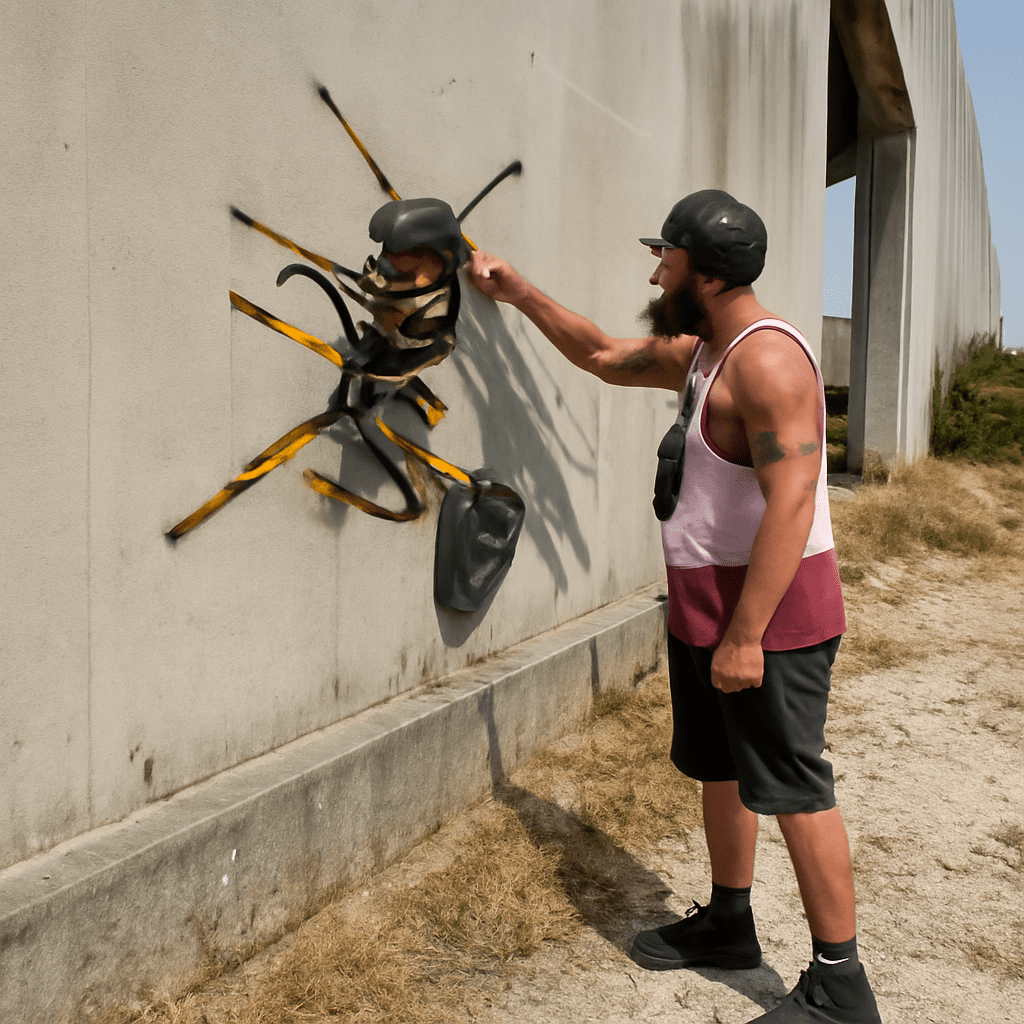
Have you ever found yourself mesmerized by 3d art pictures, wondering just how they manage to leap off the canvas and into your imagination? While traditional painting techniques invite you to appreciate color and composition, 3d art painting transforms your entire sense of space and depth. Artists today are pushing boundaries, using new materials and digital tools to create immersive illusions that challenge what you expect from visual art. The right approach opens up a world where two dimensions simply aren’t enough.
If you’re searching for ways to revitalize your design or illustration work, exploring 3d art pictures and experimenting with 3d art painting can breathe new energy into your creative process. Whether you’re a hobbyist or a seasoned professional, understanding how artists achieve this effect will inspire your own journey into spatial illusion and tactile realism. Let’s delve into what makes these works so unique, and how you can start making them yourself.
Understanding 3d art pictures and their unique appeal
3d art pictures stand apart from standard drawings because they trick the eye into seeing lifelike depth on a flat surface. The visual magic happens when artists manipulate perspective, shadow, and color to create the illusion that objects are popping out from the page or wall. Unlike the gentle gradients and subtle highlights of classic painting, these illusions demand bold contrast and precision placement.
For the viewer, encountering three-dimensional artwork often means being pulled into the scene. You might sense the urge to reach out and touch a painted stone or step around a street mural that appears to open up into a new world. This physical engagement is the hallmark of 3d art painting, and it’s what makes these creations a favorite in public spaces and interactive exhibits as well as in digital galleries.
The fascination with 3d art pictures is not limited to one style or medium. Chalk artists, muralists, and digital illustrators are all finding innovative ways to achieve illusionary effects. By experimenting with layering paint, using photo editing software, or even sculpting materials onto their canvas, artists create visuals that invite you to play with perspective and suspend disbelief.
When you start exploring 3d art pictures, you’re tapping into a tradition that values both technical prowess and a sense of wonder. Whether viewed in a gallery or on a sidewalk, these artworks offer a refreshing twist on how space and depth can be represented in painting and illustration.
The evolution of 3d art painting in the digital age
Over the last few decades, 3d art painting has evolved dramatically thanks to breakthroughs in digital technology. Where artists once relied solely on acrylics, oils, and charcoal, today you can use tablet styluses and specialized design software to achieve the same jaw-dropping illusions. The shift to digital platforms has democratized the creation of 3d art pictures, making the tools accessible to anyone with a computer and creativity to spare.
With 3d modeling programs, you can simulate lighting and shadow before ever touching the canvas. Many artists now use digital rendering for planning intricate murals and large-scale installations. This method allows for rapid prototyping and fine-tuning of the three-dimensional look, so your final piece matches what you envisioned.
But tradition isn’t lost—many creators still prefer the tactile feedback of hand-brushed 3d art painting techniques. Hybrid approaches are now common, blending digital sketches with physical textures and paint. This results in 3d art pictures that are not only visually impressive but also rich in surface detail and character.
Social media and online galleries have also fueled the popularity of 3d art painting, connecting artists around the world. You’ll find time-lapse videos of sidewalk illusions or digital concept art demonstrations that break down the process, making it easier for beginners to pick up the basics and advance quickly.
Key techniques behind creating stunning 3d art pictures
To master 3d art pictures, you’ll need to focus on a few core techniques. The first is forced perspective, where you distort proportions to make elements appear to recede into or project from the background. Practicing with grids and vanishing points helps immensely when you want to sketch believable depth.
Shading lies at the heart of successful 3d art painting. You must observe how light interacts with real objects and translate those shadows and highlights onto your flat surface. Try building up layers gradually, checking your work from different angles and distances to ensure the illusion holds up. Using both dark and vibrant colors in contrast will strengthen the sense of form and volume.
Blending methods matter too. Whether you’re using digital brushes or acrylic paint, smooth transitions between light and dark help “lift” shapes from the background. Experiment with blending tools, soft dry brushes, or even sponges to see what makes your 3d art pictures stand out. Often, a crisp edge next to a blended surface will create the popping effect you’re after.
Don’t overlook surface prep and materials. For murals and chalk art, a smooth, primed surface ensures your lines stay sharp. In digital work, higher-resolution canvases let you refine small details that make big illusions. Meticulous observation and iterative sketching will take your 3d art painting to the next level.
Inspiring examples of 3d art painting in design & illustration
Some of the most iconic 3d art pictures have transformed city streets into fantasy landscapes. Take the sidewalk chalk masterworks of Julian Beever or Edgar Müller—these artists specialize in creating dramatic illusions that attract crowds and spark conversation. You’ll see everything from gaping chasms to lifelike animals, all rendered with astonishing realism.
In digital illustration, concept artists often use the principles of 3d art painting to design environments for games and movies. By layering textures and playing with perspective, they build dramatic scenes that feel like you could step inside. This approach can be seen in everything from fantasy concept art to futuristic virtual reality landscapes.
Designers for advertising and branding have also jumped on the trend, using three-dimensional effects to make products and logos leap from billboards and screens. The versatility of 3d art pictures means you’ll find them everywhere—from children’s book illustrations to AR-enhanced app graphics and collectible art prints.
By studying these examples and following breakdowns from professional creators, you’ll discover countless ways to weave 3d art painting into your own projects, whether you’re working on a mural, sketching digitally, or experimenting with mixed media.
Tips for getting started with your own 3d art pictures
Diving into 3d art painting starts with observation and practice. Collect reference images of real-life objects and study how light shapes their appearance. Try setting up objects under a lamp and sketching their shadows—this exercise trains your eye for realism.
When you create your first 3d art pictures, use simple forms like spheres or cubes. Work on achieving believable shadows before moving to more complex shapes. Don’t hesitate to use tracing paper or digital layers to experiment with different angles and compositional drafts.
Invest in quality tools, whether you’re painting with traditional media or designing on a tablet. For starters, a well-prepped canvas or smooth sidewalk, a set of soft pastels or charcoal, and a sturdy kneeling pad (for outdoor work) make a huge difference. In digital painting, familiarize yourself with layer blending modes and perspective grid tools; they’ll speed up your workflow and boost your confidence.
Finally, share your 3d art pictures with a community—online forums and social media groups offer feedback and inspiration. Track your progress over months, noting which techniques consistently deliver the illusion you want. With each experiment, you’ll move closer to producing compelling 3d art painting that delights both you and your audience.
Bottom line: Exploring three-dimensional techniques opens endless possibilities for inventive painting and illustration. With patience and hands-on practice, you’ll soon create 3d art pictures that captivate the eye and transform any flat surface into a portal for imagination.