
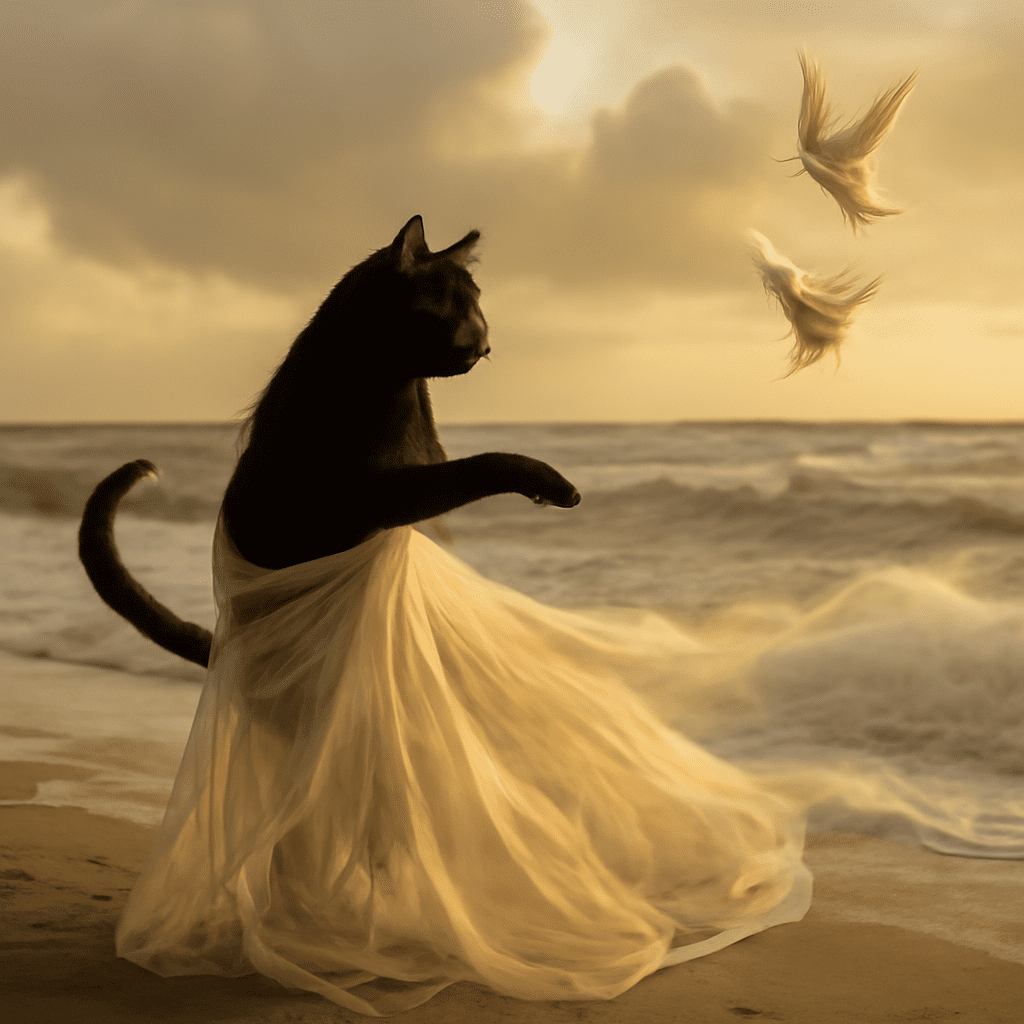
Cats have long captured the imagination of artists and art lovers alike. Their elegant shapes, expressive eyes, and playful gestures translate beautifully into visual art forms, which explains the enduring popularity of cat paintings. If you’ve ever been drawn to cat artwork—whether classic or contemporary—you’re not alone. Cat paintings offer a solution for those wanting to add both sophistication and warmth to their environment, blending timeless appeal with modern design sensibilities. By exploring cat artwork, you enrich your space while connecting to centuries of artistic tradition.
In this guide, you’ll learn why cat paintings remain a staple in the art world, how artists create stunning pieces, and the ways cat artwork continues to influence contemporary illustration and design. You’ll also discover practical tips for curating your own collection and find out where to view celebrated cat artwork, making your appreciation for these captivating felines both informed and actionable.
Why Cat Paintings Remain Timeless in Art
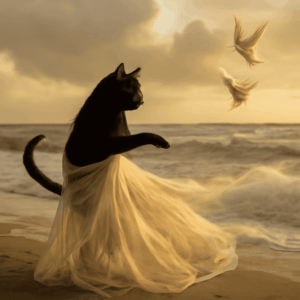
Cat paintings have stood the test of time, resonating across cultures and eras. Artists from ancient Egypt to the Impressionists, and right up to today’s digital creators, have explored the feline form. The appeal comes partly from the cat’s ability to evoke both mystery and intimacy. Through brushstrokes or digital rendering, artists capture qualities like independence, grace, and curiosity, making cat paintings continually relevant in the art world.
Art collectors and casual admirers alike gravitate toward cat artwork for its ability to blend into a range of styles—from whimsical sketches to photorealistic oil portraits. The versatility of cat-themed pieces means you can find works that match modern interiors, bohemian spaces, or traditional settings. Whether it’s a wall-sized canvas in a gallery or a miniature watercolor hung in a cozy corner, cat paintings inherently convey both sophistication and comfort.
For many, collecting or creating cat artwork is an emotional journey. The feline subject matter often evokes memories, affection for a pet, or simply a sense of peace. As you observe different artists’ interpretations—using loose washes, bold lines, or textured layering—you witness the unique capacity of the cat to inspire ongoing creativity. This combination of universal symbolism and personal nostalgia is why cat paintings remain an enduring choice for artists and collectors alike.
Techniques Artists Use to Create Stunning Cat Artwork
Mastering the art of cat paintings requires both technical skill and a deep understanding of feline anatomy and behavior. Artists often begin with quick gesture drawings to capture the essence of a cat’s pose. Layering color comes next, whether working in acrylic, oil paint, or digital brushes. The chosen painting technique—be it glazing to achieve depth, dry-brushing for fur effects, or digital blending—affects the final mood and realism of the cat artwork.
Another crucial element is lighting. By observing how natural or artificial light plays across a cat’s fur, artists can model their forms convincingly. You might notice artists experimenting with dramatic contrasts or subtle shadow work to bring their subjects to life. Even the decision to paint a cat at rest, mid-pounce, or gazing directly at the viewer changes the emotional tone of the piece and invites viewers to engage with the artwork on a deeper level.
Incorporating texture into cat paintings is a hands-on, tactile process. Some artists use palette knives or layered washes to mimic the softness of fur or the sleekness of a cat’s body. In digital cat artwork, similar effects are achieved through custom brushes and layering techniques. Whichever medium you choose, building up the surface and refining the details ensures that each whisker and tuft of fur feels lifelike.
Finally, observation is key. Many accomplished creators spend hours sketching cats from life or referencing photographs, ensuring their depictions are grounded in reality before adding stylized or imaginative flourishes. By practicing these methods, you’ll not only improve your own cat paintings but also gain greater appreciation for the craftsmanship behind every feline-inspired work.
How Cat Paintings Influence Modern Illustration and Design
Today’s illustrators and designers constantly draw inspiration from cat paintings. The visual language developed in traditional cat artwork finds its way into branding, editorial illustration, and even fashion prints. You’ll spot feline motifs in everything from children’s books to product packaging, where the playful yet sophisticated qualities of cat imagery add instant appeal. Modern illustration often borrows the fluid lines and expressive gestures that have long defined great cat paintings.
Beyond static images, cat artwork is central to digital media. Animators, graphic designers, and surface pattern creators reinterpret classic feline poses and personalities, infusing them into apps, social media stickers, and textile patterns. These reinterpretations keep cat paintings relevant, bridging the gap between fine art and contemporary design. Applying color palettes inspired by classic canvas works to digital illustrations is a common practice, merging tradition with innovation.
If you’re a designer seeking fresh ideas, studying the structure and lighting in classic cat paintings can elevate your own work. Whether you’re sketching for a logo or designing a mural, channeling the techniques and sensibilities found in cat artwork ensures your creations resonate with viewers. The continued cross-pollination between painting and modern design ensures that cat-themed visuals remain dynamic and widely loved.
Cat paintings also inspire collaborative projects: think of themed exhibitions or group illustrations where multiple artists offer their take on the feline form. This ongoing dialogue between painting and design pushes boundaries and keeps the motif lively and ever-evolving.
Tips for Starting Your Own Cat Painting or Cat Artwork Collection
Building a personal collection of cat paintings is as rewarding as it is accessible. Start by exploring a range of cat artwork styles in local galleries, online marketplaces, or open studios. Pay attention to media—oil, watercolor, digital, or mixed media—and see which textures and palettes resonate with you. Original works, affordable prints, or even limited-edition digital pieces can all make meaningful additions to your collection.
When evaluating potential cat artwork, look for pieces that evoke an emotional response. Consider the story behind the painting—was it inspired by a real feline, or is it a playful caricature? Checking for artist signatures, edition numbers, and quality of materials helps ensure you’re investing in authentic, lasting works. Over time, you’ll develop an eye for the subtle differences that distinguish hand-painted cat paintings from mass-produced prints.
For aspiring artists, creating your own cat paintings can be a fulfilling hands-on project. Start with quick sketches, study feline anatomy, and experiment with different painting techniques. Set aside dedicated practice sessions—just 30 minutes a few times a week can lead to measurable progress over a month or two. Don’t hesitate to join online art communities, where you can share work, exchange tips, and find inspiration from others who also adore cat artwork.
Rotate pieces seasonally or create thematic displays in your home or studio. This not only keeps your collection fresh but also encourages you to keep exploring the diverse world of cat-themed art.
Celebrated Cat Artwork and Where to Find It
Some cat paintings have achieved iconic status in the art world. Théophile Steinlen’s “Le Chat Noir” poster is instantly recognizable, blending graphic design with fine art and influencing countless artists since its debut. You’ll find other masterpieces—such as Léonard Tsuguharu Foujita’s delicate feline portraits or contemporary digital interpretations—featured in major museums, specialized galleries, and curated online exhibits.
To see cat artwork in person, seek out exhibitions at local art museums or events dedicated to animal themes. Many cities host regular “cat art shows” where emerging and established artists display their latest feline creations. If travel isn’t possible, explore virtual museum collections or online print shops, which often spotlight both classic cat paintings and fresh takes from new talent.
Collectors and casual fans alike can find cat artwork through reputable auction houses, artist websites, and design-forward retailers. Consider supporting independent creators on platforms like Etsy, Saatchi Art, or even Instagram, where you’ll discover a wide range of cat paintings, from whimsical illustrations to striking hyperrealism.
By seeking out celebrated cat artwork—whether at a gallery opening, a neighborhood pop-up, or a curated online marketplace—you’ll gain insight into the evolving story of cats in art, and perhaps find the perfect piece for your own collection.
Bottom line: Cat paintings and cat artwork offer endless inspiration for both creators and collectors. By blending observation, technique, and a love for feline beauty, you’ll enrich your artistic journey and your living space alike.