

Rhythm in art provides a crucial foundation for creating engaging and dynamic visual experiences. Without understanding its nuances, your artwork might lack the flow and movement essential for viewer engagement. The principles of art rhythm encompass various forms that dictate how elements within an artwork interact to form a cohesive whole. By mastering these principles, you can elevate your art from merely decorative to deeply expressive.
Progressive rhythm in art, alongside other rhythmic structures, allows you to guide the viewer’s eye across the canvas, creating a narrative through visual elements. As you delve into the types of rhythm in art, you’ll discover how each form contributes to the overall design’s movement. Embrace these principles, and you’ll find yourself crafting pieces that not only capture attention but also sustain interest through their internal motion and harmony.
Introduction to Rhythm in Art
What is Rhythm in Art?
Rhythm in art refers to the repetition or alternation of elements, often with defined intervals between them, which creates a sense of organized movement. This concept is analogous to music, where rhythm guides the tempo and flow of a composition. Visual rhythm does the same for art, using repetitive elements to establish a beat that viewers can follow.
Importance of Rhythm in Art
The presence of rhythm in your work is vital because it influences how viewers perceive and interact with the piece. It creates a visual pathway, leading the eye seamlessly from one element to the next. By incorporating rhythm, you ensure your artwork has a lively energy, preventing static or lifeless appearances. Understanding this importance can transform your approach to drawing and design.
Exploring the Principles of Art Rhythm
The Role of Rhythm in Design
In design, rhythm functions as a guiding principle that helps organize elements in a way that is both pleasing and logical. It can unify disparate components into a cohesive whole, ensuring the design flows smoothly. The role of rhythm in design is to maintain balance and harmony, preventing chaos while promoting visual interest.
Examples of Rhythm in Art
Consider the works of renowned artists who employ rhythm creatively. For example, Van Gogh’s brush strokes in “Starry Night” demonstrate flowing rhythm through swirling lines and patterns. Similarly, the regular rhythm found in Mondrian’s grid-like paintings shows how repetitive elements can establish a structured harmony. These examples highlight rhythm’s versatility in art.
Types of Rhythm in Art
Regular Rhythm
Regular rhythm involves evenly spaced elements that create a predictable pattern. This type of rhythm in art is akin to a steady drumbeat, providing a sense of stability and order. By using regular rhythm, you can create artworks that feel structured and calm, with an emphasis on repetition and uniformity.
Flowing Rhythm
Flowing rhythm, unlike its regular counterpart, involves organic, wave-like movements. This type of rhythm mimics the natural flow of water or wind, creating a sense of movement that’s more dynamic and less predictable. Flowing rhythm in art is ideal for pieces that aim to convey motion and fluidity.
Progressive Rhythm in Art
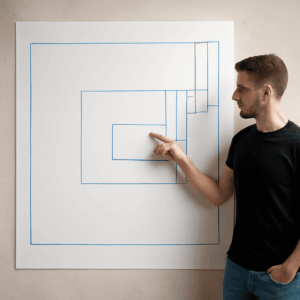
Progressive rhythm in art occurs when elements gradually change in size, color, or shape, creating a sense of progression. This rhythm type is effective for guiding the viewer’s eye along a designated path, illustrating development or transformation within the artwork. By using progressive rhythm, your designs can narrate a visual story, moving from one form to another.
How to Use Rhythm Effectively in Art
Tips for Creating Rhythm
To utilize rhythm effectively, begin by identifying the key elements you wish to emphasize through repetition. Consider their arrangement and spacing to ensure they guide the viewer naturally. Experiment with varying intervals and alterations in elements to achieve the desired rhythm. By practicing these techniques, rhythm will become an intuitive part of your design process.
Common Mistakes to Avoid
A common pitfall is overusing rhythm, which can lead to monotonous or overwhelming compositions. Strive for balance; too much repetition can make the artwork static, while too little may result in disarray. Avoiding these mistakes requires a keen eye for how rhythm interacts with other design principles, such as balance and contrast.
Conclusion: The Impact of Rhythm in Art
Embracing the diverse types of rhythm in art is essential for any artist aiming to convey dynamism and cohesion in their works. Rhythm defines art by structuring how elements interact and guide the viewer’s experience. By mastering rhythm, you not only enhance your artistic expression but also ensure your creations resonate with those who encounter them. Let rhythm be the driving force that transforms your artistic visions into tangible realities.