
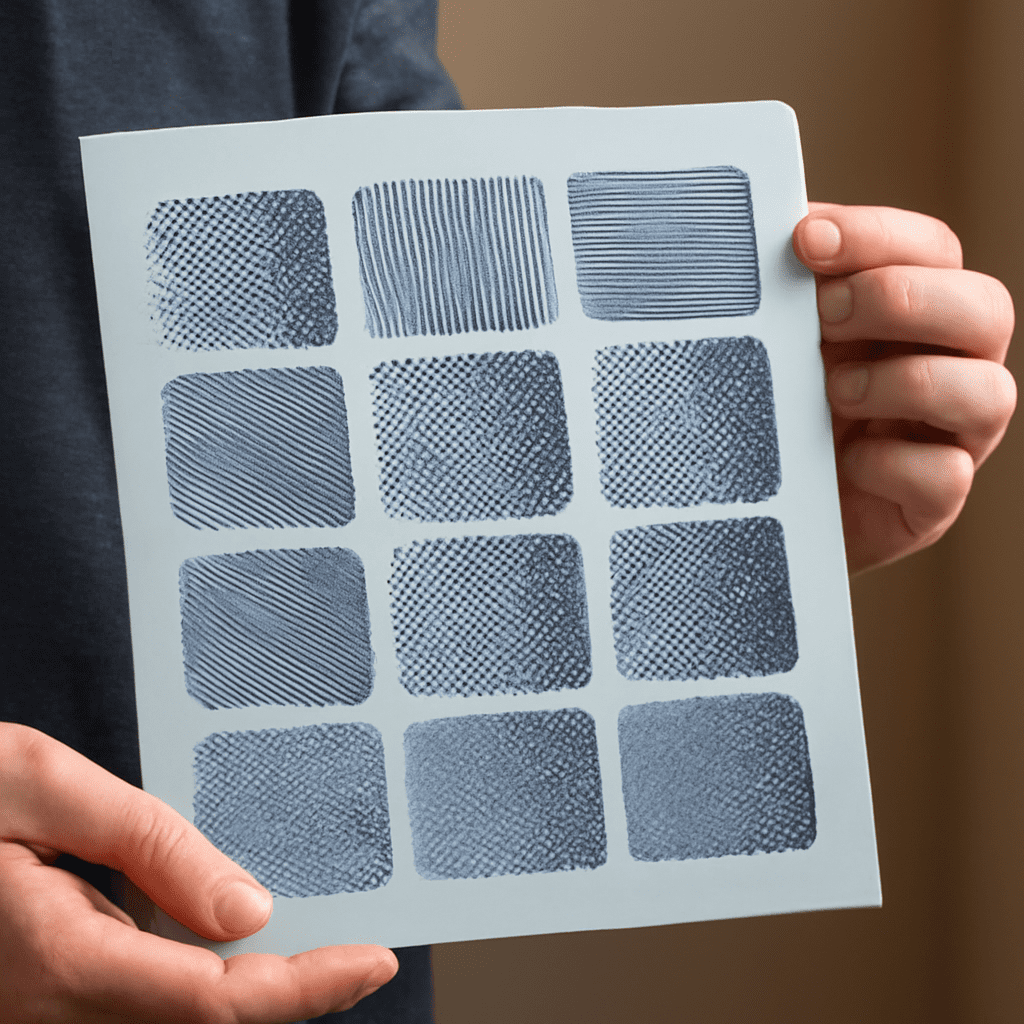
In the world of digital art, the halftone process has long captivated creators with its distinctive patterns and textures. As you seek new ways to express visual creativity, learning to use a halftone filter can transform your designs by adding depth and intrigue. Whether you’re a seasoned artist or a novice eager to expand your skills, a halftone generator can offer a seamless path to innovation and style.
By understanding the halftone image technique, you can elevate your artistic endeavors, giving your creations a unique touch that stands out in the crowded field of digital art. Let’s explore how you can integrate this timeless method into your repertoire.
Understanding Halftone and Its Origins
The History of Halftone
The halftone technique dates back to the late 19th century, revolutionizing the printing industry by allowing for the replication of images with varied tones using simple dots. This method became essential in mass media, enabling newspapers and magazines to incorporate detailed imagery with limited resources.
As you dive into the origins of halftone images, you’ll find that its foundation lies in the clever use of optical illusions. Small dots, arranged meticulously, combine visually to create seamless shades and gradients, a process that remains influential today.
Why Halftone Remains Relevant in Digital Art
In digital art, the halftone process continues to thrive due to its unique aesthetic and versatility. Modern artists appreciate the textured, retro feel that a halftone filter can impart, providing a bridge between traditional and contemporary styles.
By integrating halftone techniques, you can craft designs that evoke nostalgia while embracing modern precision. This duality ensures that halftone images remain pertinent, offering a timeless appeal that complements digital art trends.
Creating Your Own Halftone Image
What You Need to Start
To create a halftone image, you need basic digital art software equipped with a halftone filter or a dedicated halftone generator. Familiarizing yourself with these tools will enable you to manipulate images into striking renditions effortlessly.
Ensure your workspace is set up with the right equipment, including a reliable computer and an intuitive graphic design program. A halftone generator simplifies the process, offering pre-designed templates that you can tweak to suit your creative vision.
Easy Steps to Apply a Halftone Filter
Applying a halftone filter is straightforward. Begin by selecting an image, then open it in your chosen software. Adjust the size and rotation of the dots, experimenting with contrast levels to achieve your desired look.
Once you are satisfied, save your halftone image, ensuring it’s the right format for your intended use, whether it’s print or digital. With practice, you can refine your technique, producing increasingly sophisticated designs.
Utilizing a Halftone Generator for Unique Effects
Choosing the Right Halftone Generator
A plethora of halftone generators are available online, each offering unique features. Choose one that aligns with your artistic goals, whether you prefer complex adjustments or simple presets.
Explore reviews and tutorials to ensure you select a halftone generator that suits your expertise level, enabling you to create halftone images with ease and precision.
Tips for Maximizing Your Halftone Designs
To achieve stunning results, experiment with different color palettes and dot arrangements. Combining halftone with other filters can yield intriguing effects, enhancing the visual impact of your work.
Engage with online communities to exchange tips and insights, expanding your understanding of halftone process applications. This collective knowledge will spur innovation in your designs.
Exploring the Halftone Process in Various Mediums
Print vs. Digital: Halftone Applications
The halftone process excels both in print and digital formats, offering adaptability across mediums. In print, halftones maintain clarity, while digital applications allow for dynamic adjustments.
Assess the requirements of your project to determine the best application method, ensuring your halftone image retains quality and appeal regardless of the format.
Combining Halftone with Other Artistic Techniques
Combining halftone with other art forms, such as illustration or mixed media, can produce captivating results. This synthesis enriches your work, highlighting the versatility of the halftone process.
Experimentation is key. Try layering different styles and techniques to discover new artistic pathways, expanding the range of halftone images you can create.
Halftone in Modern Digital Art Ideas
Innovative digital art ideas are continually emerging, with halftone techniques at the forefront. Use halftone filters to convey mood or to introduce texture, crafting pieces that draw the viewer’s eye.
As you embrace halftone in your projects, you contribute to the ongoing dialogue between tradition and modernity in art. This approach not only enhances individual expression but also fuels the evolution of digital artistry.
Safety recap: When utilizing tools like a halftone generator, ensure your software is up to date, minimizing risks of data loss or corruption. For color care, verify that your monitor’s settings accurately reflect your intended palette, preserving the integrity of your halftone designs.