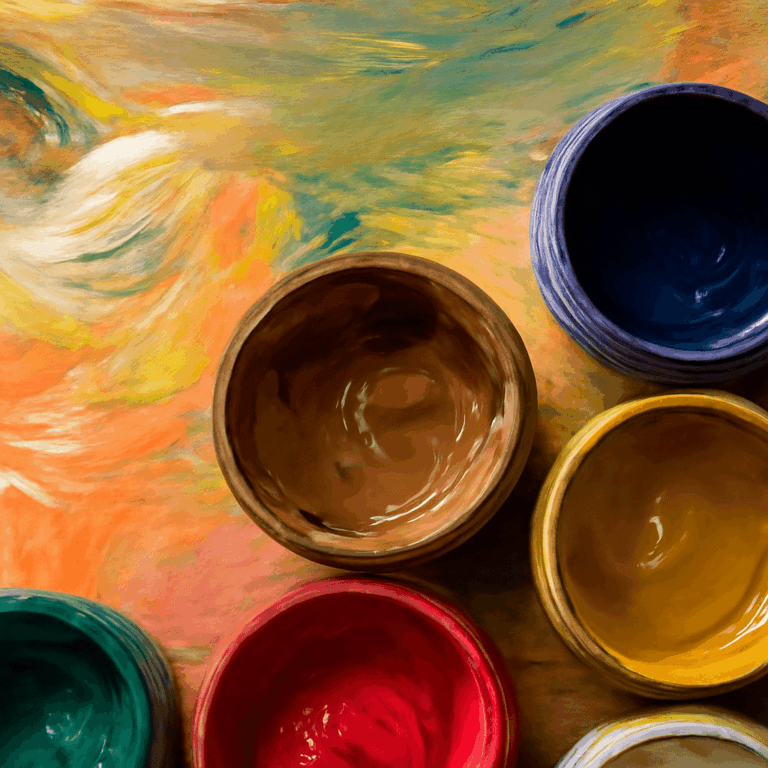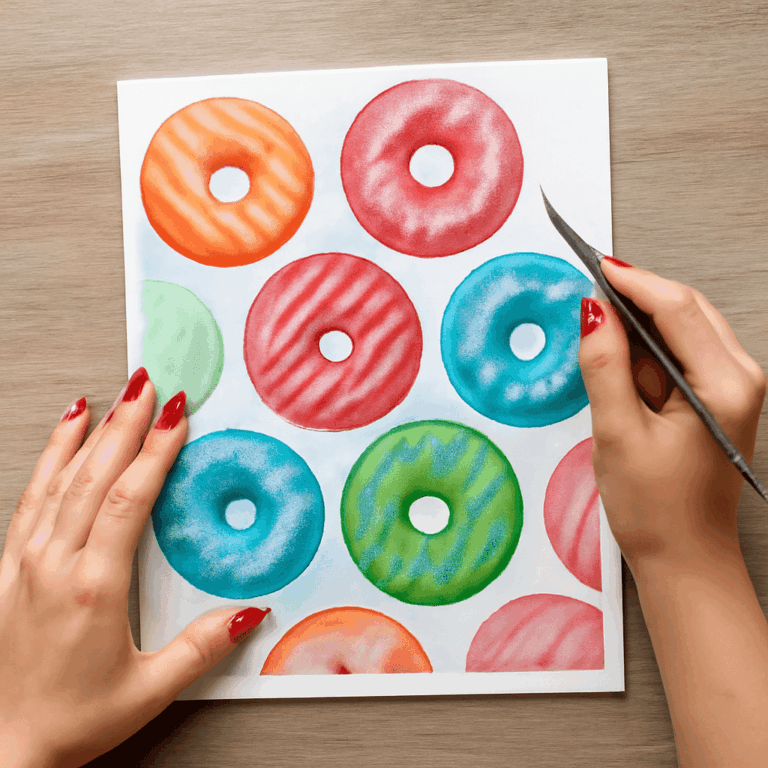

Mixing paint colors can often seem like a daunting task, especially when you’re striving to capture the perfect hue for your artistic vision. Color mixtures require an understanding of not just the colors themselves but also how they interact on your palette. Through this guide, you will discover a host of techniques and tips to make mixing paints accessible and enjoyable. Whether you’re a seasoned artist or a beginner, mastering the art of mixing paint colors can unlock an array of creative possibilities.
By learning about the basic color mixtures and advancing your skills with more complex methods, you can transform your work into a vibrant masterpiece. With our comprehensive guide, you will move step-by-step from understanding foundational principles to exploring sophisticated approaches, all while avoiding common pitfalls.
Understanding the Basics of Color Mixing
Primary Colors and Their Role
The foundation of effective color mixing starts with the primary colors: red, blue, and yellow. These are the building blocks from which all other colors derive. By combining these, you create secondary and tertiary colors, expanding your palette and allowing for a broader spectrum of expression.
Understanding the role of primary colors is essential. It enables you to predictably mix secondary hues like green, orange, and purple, each a product of two primary colors.
Secondary and Tertiary Colors
Once you have your primary colors, mixing them in equal parts will yield secondary colors. For instance, a blend of blue and yellow produces green. Delve deeper to craft tertiary colors, which result from mixing a primary color with a secondary color, offering even greater diversity.
With this knowledge of color mixing, you create a spectrum of shades and tints, providing depth and richness to your artwork.
Essential Tools for Mixing Paint Colors
Choosing the Right Paints
When it comes to mixing paints, choosing the right type of paint is crucial. Acrylics and watercolors behave differently, impacting your mixing results. Your choice will depend on the effect you aim to achieve and the surface you’re working on.
Understanding the properties of your chosen paints will help you better predict their behavior when mixed.
Mixing Accessories You Need
Beyond paints, having the right tools is essential. A palette for mixing, brushes or palette knives for blending, and clean water for rinsing are all vital. These accessories ensure precision and control, allowing you to experiment with new paint mixing techniques comfortably.
Quality tools can make the difference between achieving the perfect color mixtures or ending up with muddied colors.
Step-by-Step Paint Mixing Guide
Creating Basic Color Mixtures
Starting with small amounts, mix your primary colors to create secondary hues. Gradually adjust the proportions to refine your mixture. This step-by-step approach minimizes waste and allows for controlled changes.
Test your basic color mixtures on a piece of scrap paper to ensure they match your expectations before applying them to your main work.
Experimenting with Shades and Tints
To add dimension, experiment with shades and tints. Adding black or white to your color mixtures can create a spectrum of tones, enhancing the depth and complexity of your piece.
Understanding how each adjustment affects the overall feel of your artwork is critical in mastering mixing paint colors.
Advanced Techniques for Mixing Paints
Understanding Color Temperature
Color temperature is an advanced concept that can significantly impact your artwork. Warm colors like reds and yellows can evoke passion and energy, while cool colors such as blues and greens often convey calmness and serenity.
Utilizing the temperature of color mixtures can help you set the mood and atmosphere in your art.
Using Complementary Colors
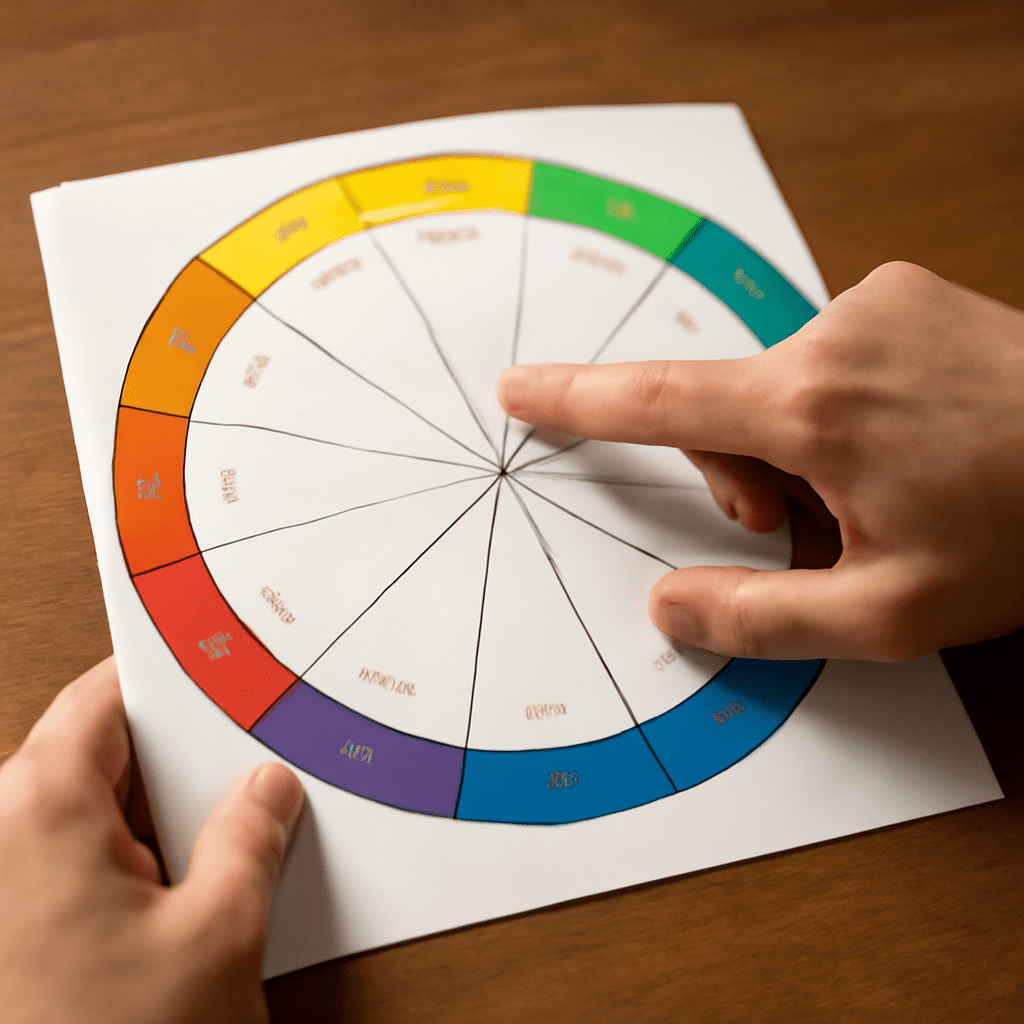
Complementary colors, opposite each other on the color wheel, can be powerful in creating visual interest. Mixing complementary hues can neutralize intensity and produce unique shades.
By mastering the use of complementary colors, you open up pathways to more sophisticated paint mixing possibilities.
Common Mistakes in Paint Mixing and How to Avoid Them
One prevalent mistake in mixing paints is over-mixing, which can lead to dull and muddy colors. To prevent this, mix gradually and test frequently. Another common error is not considering the drying shift, as colors often dry darker or lighter than they appear when wet.
By understanding these pitfalls, you can refine your technique and achieve vibrant, dynamic results in your artwork.
Next steps: Practice regularly to enhance your skills. Keep track of successful mixtures by jotting down the ratios and colors used. With patience and persistence, your ability to create stunning color combinations will grow, elevating your art to new heights.