
Transforming an outdoor space from ordinary to extraordinary requires more than just lush greenery and vibrant flowers. Enter the realm of hardscape landscaping—a crucial element that balances nature’s beauty with man-made structures. Understanding what a hardscape is can unlock new design possibilities for your garden, enhancing both function and form.
Whether you’re new to outdoor design or looking to redefine hardscape elements in your yard, incorporating hardscape landscape features can elevate your space in numerous ways. Imagine a patio for summer barbecues or a serene path that leads to your garden oasis. These are just a few examples of how hardscape can transform your surroundings.
Understanding Hardscape Landscaping
Define Hardscape: What Is It?
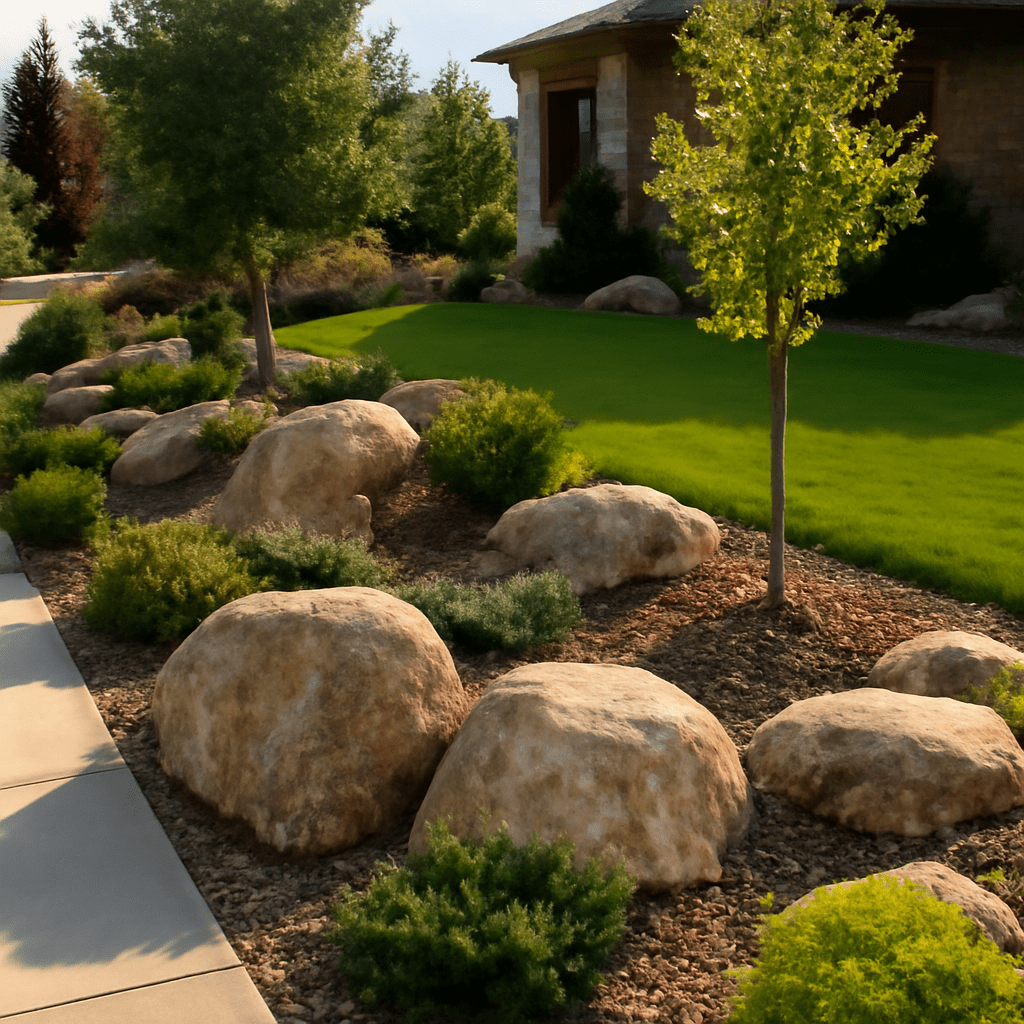
Hardscape refers to the non-living components of landscaping, covering structures like patios, walkways, and retaining walls. It’s the use of durable materials—such as stone, wood, and concrete—to create functional outdoor spaces. While softscape involves plants, hardscape is all about architectural elements that provide structure and support.
Key Elements of Hardscape Landscape
Incorporating hardscape landscape features involves considering various elements that enhance both aesthetics and functionality. These elements include pathways that guide foot traffic, fences that offer privacy, and water features for added tranquility. Hardscape not only defines space but also complements the natural beauty of your garden.
Benefits of Incorporating Hardscape
Aesthetic Enhancements
Adding hardscape elements to your yard can significantly boost its visual appeal. Hardscape landscape features like beautifully crafted stone pathways or elegantly designed patios serve as focal points, providing a clean, structured look that contrasts with the organic shapes of plants and flowers.
Increased Property Value
One of the less immediately visible but equally important benefits of hardscaping is its impact on property value. A well-designed hardscape can make your property more attractive to potential buyers, offering outdoor spaces that are both usable and visually pleasing. This transformation can lead to a higher market valuation.
Low Maintenance Gardening
If you desire a beautiful garden without the constant upkeep, hardscaping is your solution. Hardscape elements require minimal maintenance compared to their softscape counterparts, allowing you to enjoy your outdoor space without the burden of frequent gardening chores.
Steps to Design Your Hardscape
Planning Your Hardscape Layout
Effective hardscape design begins with careful planning. Consider how you want to use your outdoor space and what elements will best serve your needs. Sketching a layout can help visualize the placement of pathways, patios, and other features, ensuring a cohesive and functional design.
Choosing the Right Materials
The choice of materials is crucial in hardscape landscaping. Options range from natural stone and brick to modern composite materials. Each has its own aesthetic qualities and functional benefits, so choose materials that align with your design vision and the existing style of your home.
Common Hardscape Features
Patios and Walkways
Patios and walkways are foundational elements in hardscape design, providing areas for relaxation and easy navigation through your garden. These spaces can be crafted from various materials, offering flexibility in design and functionality.
Retaining Walls and Fences
Retaining walls serve both functional and aesthetic purposes in hardscape landscaping. They help manage soil erosion and define space, while fences provide privacy and security. Both elements add structure and depth to your outdoor design.
Water Features and Fire Pits
Incorporating water features or fire pits into your hardscape can transform your space into a tranquil retreat or lively gathering spot. Water features like fountains add soothing sounds, while fire pits offer warmth and ambiance, making your yard a year-round destination.
Maintaining Your Hardscape
Regular Cleaning Tips
Maintaining your hardscape involves regular cleaning to preserve its appearance and longevity. Simple actions like sweeping debris and washing surfaces with mild soap can prevent staining and degradation, keeping your outdoor space looking pristine.
Repair and Restoration Advice
Over time, hardscape elements may require repair or restoration. Small cracks in stone or brick can be sealed, while more extensive damage may need professional attention. Regular inspections can help identify issues early, allowing for timely repairs and extending the life of your hardscape.
Next Steps
Embarking on a hardscape project offers the opportunity to redefine your outdoor living space. Begin by assessing your needs and planning your layout, then choose materials that align with your vision. Regular maintenance ensures lasting beauty and functionality, making your garden a personal sanctuary for years to come.