



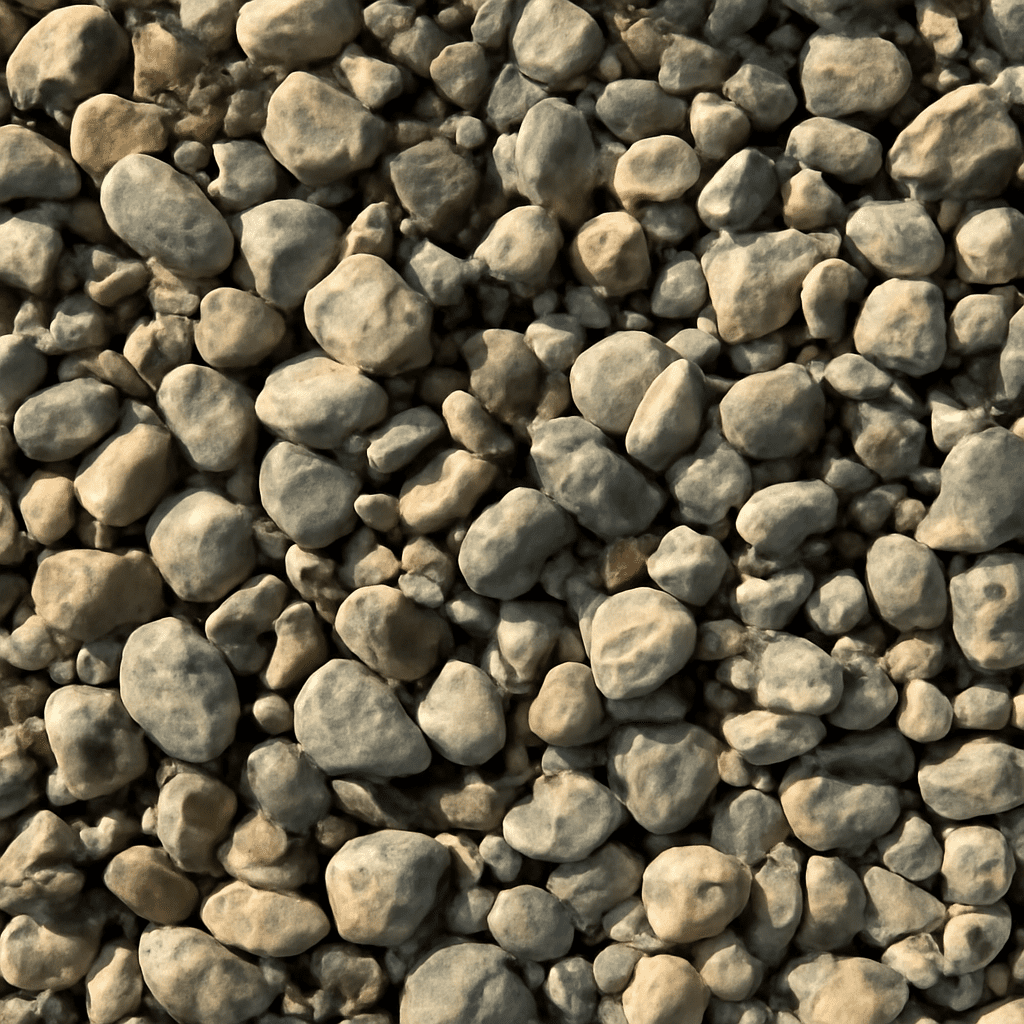
In the quest for creating a serene and visually appealing outdoor space, many homeowners face the challenge of selecting the right materials for their landscaping projects. River rocks for landscaping offer an ideal solution, combining natural beauty with versatility. These smooth stones can effortlessly transform any garden, path, or water feature into a tranquil oasis. By incorporating river rocks, you can enhance your outdoor design in a way that feels both organic and intentional.
Introduction to River Rock for Landscaping
What are River Rocks?
River rocks are naturally occurring stones that have been smoothed over time by the flow of water. They are typically round or oval in shape and come in various sizes and colors. Often found in riverbeds, these stones are a popular choice for landscaping projects due to their organic appearance and durability.
Benefits of Using River Rock in Landscaping
Utilizing river rock in your landscaping offers numerous benefits. Firstly, they provide excellent drainage, making them perfect for areas prone to heavy rainfall. Additionally, the variety of colors and sizes allows for creative expression, enabling you to design unique and personalized spaces. The durability of river rocks ensures that your landscaping efforts will withstand the test of time with minimal maintenance.
Choosing the Right River Rock for Your Project
Sizes and Types of River Rocks
When selecting river rocks, consider the size and type that best suits your project. For decorative purposes, smaller pebbles may be ideal, while larger stones can serve as sturdy foundation elements for pathways or accents. The choice between polished and natural finish can also impact the overall aesthetic, with polished stones offering a sleeker look.
Factors to Consider when Selecting River Rocks
Several factors should be considered when choosing river rocks for landscaping. Assess the color scheme of your existing landscape and how the stones will complement it. Consider the function of the area where the rocks will be placed—whether for drainage, decoration, or structural support. Finally, take into account the climate and weather conditions of your region to ensure longevity and performance.
Creative Ways to Use River Rocks in Landscaping
River Rock Pathways and Walkways
Creating pathways using river rocks is an excellent way to guide foot traffic while adding a natural element to your garden. Lay large, flat stones as stepping stones and fill the gaps with smaller pebbles for a cohesive look. These walkways can be designed to meander through your yard, offering visual interest and functionality.
Decorative River Rock Borders
River rocks make stunning borders for garden beds and other landscaped areas. By outlining these spaces with river stones, you create a defined edge that helps contain soil and mulch. The contrast between the vibrant colors of your plantings and the earthy tones of the rocks can enhance the overall appeal of your garden.
Using River Rocks in Water Features
Water features such as ponds, fountains, and waterfalls become more enchanting with the inclusion of river rocks. The stones can be used to line the edges of ponds, create natural-looking cascades, or provide a base for fountains. The sound of water flowing over the rocks adds a soothing auditory dimension to your outdoor space.
Design Tips for River Stone Landscaping
Combining River Rocks with Other Materials
For a more dynamic landscape, combine river rocks with other materials like gravel, wood, or pavers. This mix-and-match approach can add texture and contrast, making your design more visually striking. Consider using wood accents for warmth or gravel for a more modern touch.
Color Schemes and Patterns
Choosing a color scheme for your river rock landscape is crucial for achieving a cohesive look. Opt for neutral tones for a more understated design, or incorporate colorful stones to create eye-catching patterns. Experiment with laying stones in different arrangements, such as spirals or geometric shapes, to add visual interest.
Maintenance Tips for River Rock Landscaping
Maintaining your river rock landscape is relatively straightforward, but a few practices can ensure its longevity. Regularly inspect and remove debris from the rock surfaces to prevent buildup. If weeds begin to grow between the stones, use a natural herbicide or a weed barrier to manage them effectively. Rinse the rocks occasionally to maintain their natural luster and keep your landscape looking fresh.
Safety recap: When handling river rocks, ensure you use proper tools and wear gloves to protect your hands. If incorporating water features, prioritize safety by securing all electrical components and maintaining proper water levels.