


Creating a captivating piece of art involves more than just talent. It’s about understanding and applying the formal elements of art effectively. These elements are crucial in constructing artwork that resonates with viewers and conveys the intended message. By mastering art formal elements, you can transform a simple drawing into a masterpiece that communicates mood, emotion, and intention. Let’s delve into these essentials and see how they can be harnessed to elevate your artwork.
What Are the Formal Elements of Art?
Defining the Basic Elements
The formal elements of art are the building blocks used to create a piece of art. These include line, shape, color, texture, and value. Understanding these components allows artists to construct compositions that engage viewers and evoke emotions. Each element plays a specific role, from defining boundaries with lines to establishing depth with texture.
Importance of Art Formal Elements
By utilizing the art formal elements, artists can create coherent and visually appealing works. These elements help in organizing the composition and guiding the viewer’s eye throughout the piece. Without a solid grasp of these elements, artworks may lack harmony and impact.
Exploring the Elements of Art in Detail
Line: The Foundation of Design
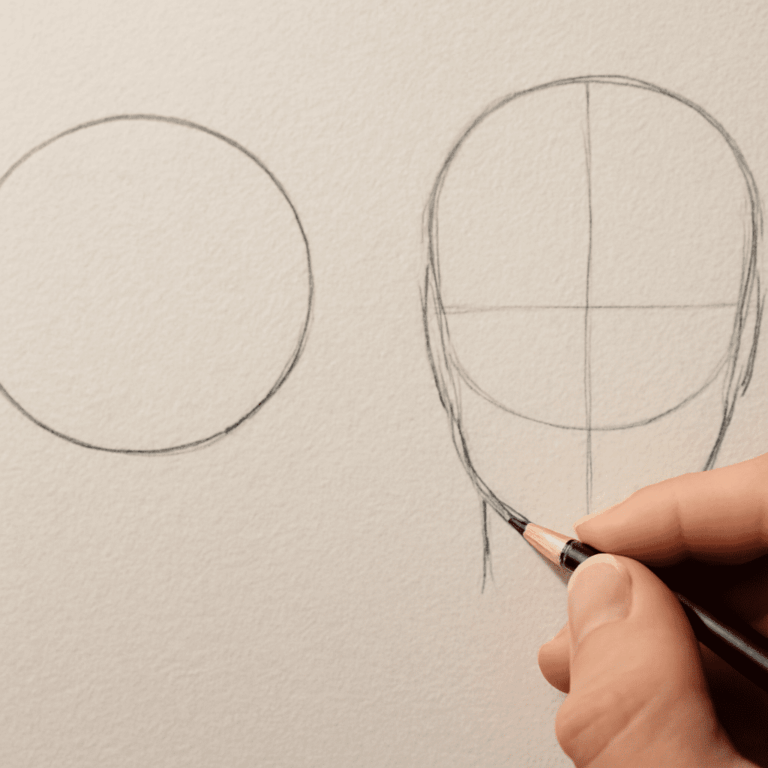
Lines are the most fundamental element in art. They define shape, create structure, and guide the viewer’s eye. Whether you use a bold, thick line or a subtle, thin one, each line conveys different emotions and movements. Lines can be straight, curved, or broken, and their application can drastically change the composition’s perception.
Shape: Form and Space
Shapes, another vital element, consist of enclosed areas defined by lines or contrasts in color. They can be geometric, like squares and circles, or organic, like the free-flowing forms found in nature. Shapes work in tandem with space, creating the illusion of depth and structure in a two-dimensional work.
Color: Creating Mood and Emotion
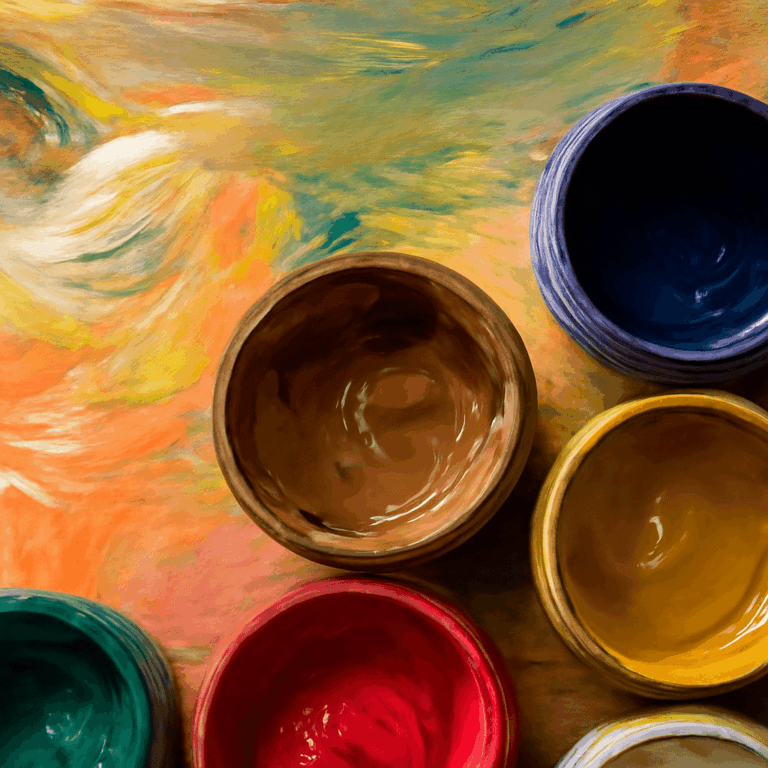
Color influences mood and emotional response significantly. Colors can be warm, invoking warmth and energy, or cool, suggesting calmness and tranquility. The use of complementary or analogous colors can create harmony or contrast, affecting the overall impact of the art.
Texture: Adding Depth
Texture adds a tactile dimension to art, suggesting how an object might feel to touch. This element can be actual, where the texture is physically present, or implied, where the illusion of texture is created with lines and shading. Texture enhances the realism and interest of a piece, inviting viewers to explore its surface.
Value: Light and Shadow
Value refers to the lightness or darkness of a color. It plays a crucial role in creating depth and dimension in art. By adjusting the value, you can simulate light and shadow, adding realism and guiding the viewer’s focus to particular areas of the artwork.
How to Use the Formal Aspects of Art in Your Work
Practical Tips for Artists
To effectively use the formal aspects of art, start by planning your composition. Decide on the focal point and use lines to lead the viewer’s eye towards it. Choose shapes that complement your theme and use color to enhance the mood. Experiment with textures to add interest and layers. Finally, adjust the value to create contrast and depth.
Common Mistakes to Avoid
Avoid overcrowding your artwork with too many elements. This can create confusion and detract from the intended message. Be mindful of the color balance to ensure it supports rather than overshadows the other elements. Additionally, do not neglect the importance of value; it is essential for achieving a three-dimensional effect on a two-dimensional surface.
The Role of Formal Art Elements in Different Art Styles
Different art styles utilize the formal art elements uniquely. For example, Impressionism focuses on color and light to capture moments, while Cubism uses geometric shapes to represent subjects from multiple perspectives. Understanding these variations can help you apply the elements appropriately in your own style.
Conclusion: Mastering the Art Formal Elements
Mastering the art formal elements is essential for any artist looking to enhance their craft. By understanding and applying these fundamentals, you can create artwork that is both visually compelling and emotionally resonant. These elements offer endless possibilities for creativity and innovation.
Pro tips recap: Embrace the basics—master line and shape. Use color thoughtfully to convey emotion. Add texture for depth and adjust value for realistic light and shadow effects. With practice, your application of these elements will become instinctive, improving both technique and expression.