



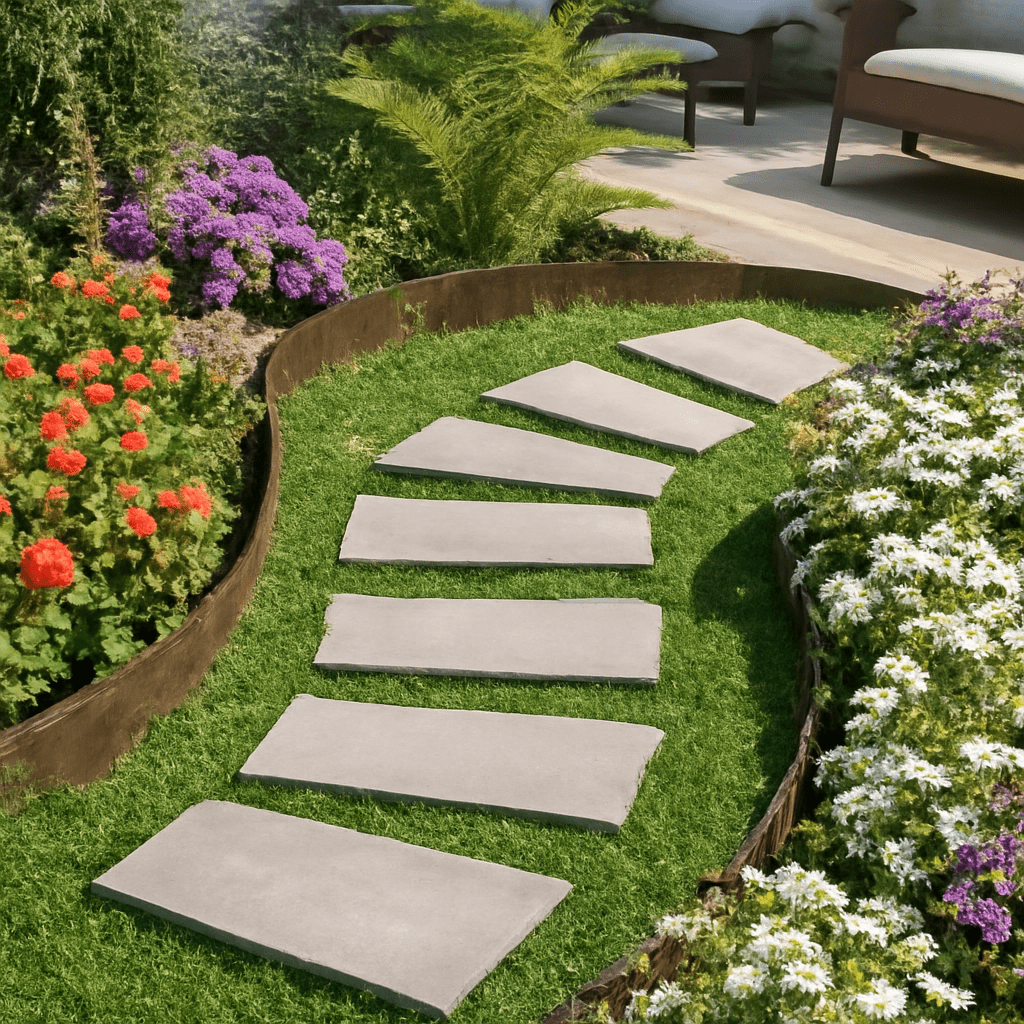
Creating a picturesque garden can be challenging. You want a solution that adds structure and defines boundaries without compromising aesthetics. Enter steel landscape edging. This robust option promises durability and elegance, making it a top choice for landscaping enthusiasts. Whether it’s for enhancing pathways or delineating flower beds, metal border edging offers versatile solutions. In this article, discover why metal edging might be the perfect addition to your garden toolkit, and learn how to effectively implement it in your outdoor space.
Why Choose Metal Edging for Your Garden?
Metal edging is celebrated for its strength and longevity. Unlike plastic or wooden alternatives, metal options provide a sleek, professional appearance that can withstand the elements. When you opt for metal edging, you invest in a product that requires less frequent replacement, offering long-term cost benefits.
Beyond durability, the clean lines of metal edging add a modern touch to any garden. It’s perfect for creating crisp edges along walkways or garden beds. Additionally, the versatile design allows it to complement both traditional and contemporary landscapes seamlessly.
Exploring the Benefits of Steel Landscape Edging
Steel landscape edging stands out due to its exceptional durability. It resists warping and cracking, common issues with other materials. This means your garden retains its well-defined appearance year-round. Steel edging also offers flexibility, allowing you to create both straight and curved designs effortlessly.
Moreover, steel edging naturally develops a protective patina over time, adding character and enhancing its corrosion resistance. This makes it an ideal choice for those looking to add a unique, aged look to their gardens.
How to Install Steel Edging in Your Yard
Installing steel edging is a straightforward process that you can complete in a weekend. First, plan your design by marking the intended path with stakes and string. Then, dig a trench along the marked line, ensuring it’s deep enough to accommodate the edging.
Place the steel edging into the trench, aligning it as per your design. Secure the edging with metal stakes, ensuring it’s flush with the ground to prevent tripping hazards. Finally, backfill the trench with soil, packing it firmly to stabilize the edging.
Creative Uses for Metal Border Edging
Metal border edging isn’t just for defining boundaries. Consider using it to create raised garden beds, adding depth and dimension to your landscape. You can also use metal borders to outline gravel paths, providing a clear divide between different garden zones.
Another innovative idea is utilizing metal borders as a backdrop for vertical gardens. The vertical lines of the metal create a striking contrast against lush greenery, enhancing the visual appeal of your outdoor space.
Maintenance Tips for Long-Lasting Metal Borders
To ensure your metal borders remain in top condition, regular maintenance is essential. Periodically check for any signs of rust or damage. Use a wire brush to remove rust and apply a coat of rust-inhibiting primer to affected areas.
Additionally, clean the edging with mild soap and water to remove dirt and debris. This not only keeps your edging looking pristine but also prolongs its lifespan by preventing buildup that could lead to corrosion.
Pro tips recap: Choose steel landscape edging for a durable and stylish garden solution. Install it with care, ensuring stability and alignment. Explore creative applications to enhance your landscape design. Lastly, maintain your metal borders with routine checks and cleaning to ensure they last for years to come.