
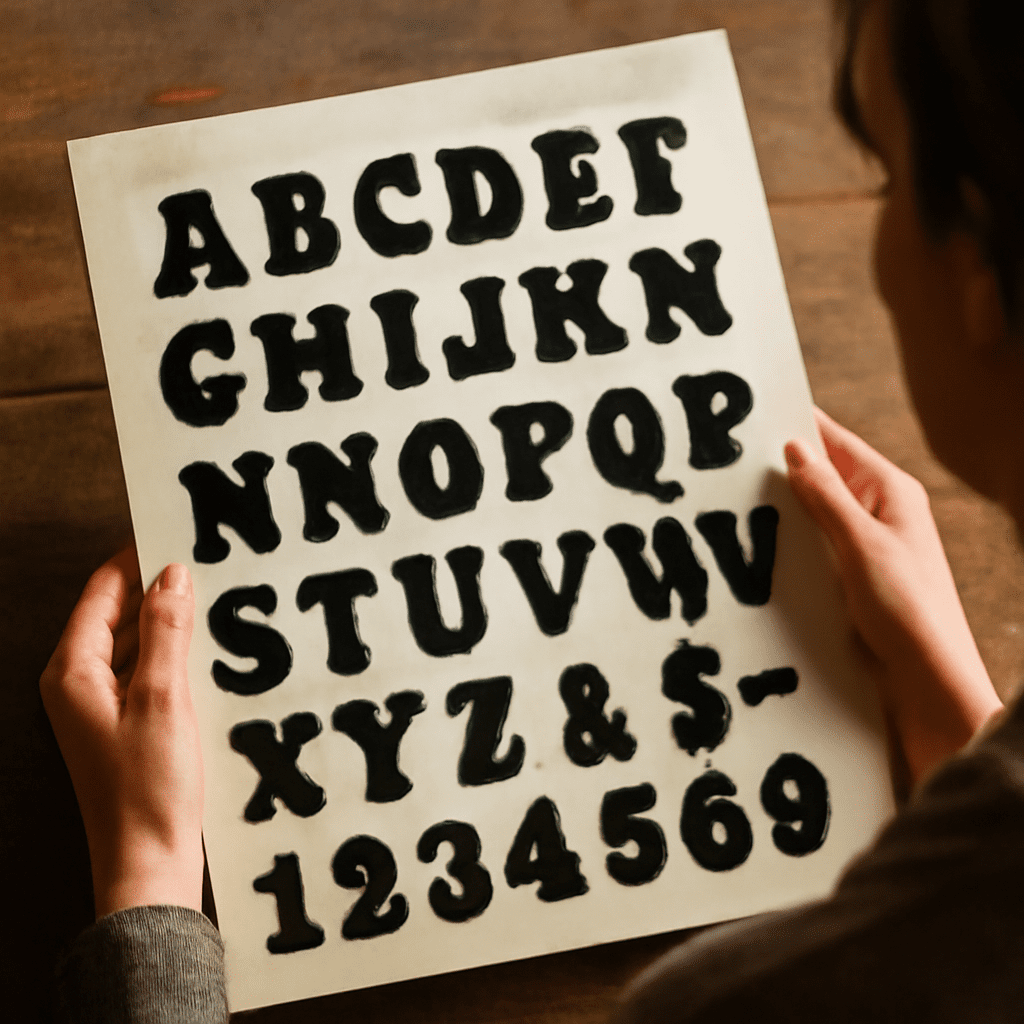
Lettering is more than just writing words—it’s about expressing personality, grabbing attention, and making your design pop. Whether you’re new to illustration or a seasoned creative, learning how to draw cool lettering can elevate your work and set your projects apart. If you’ve ever admired funky letters in posters, social media graphics, or sketchbooks and wondered how to make your own, you’re in the right place. This guide will walk you through creating cool alphabet letters and developing your own unique letters, using practical, hands-on advice and creative techniques you can start today.
From understanding why funky letters matter in design, to choosing the right tools and mastering step-by-step processes, you’ll discover how cool lettering transforms ordinary text into a bold visual statement. Let’s jump into the basics, build your confidence with tactile exercises, and get inspired by some fresh lettering styles.
Why Cool Lettering and Funky Letters Matter in Design
Cool lettering is a dynamic way to communicate mood, tone, and energy in your work. When you use funky letters, you’re not just spelling out words—you’re telling a story. For designers, illustrators, and anyone interested in creative visuals, being able to draw unique letters is a valuable skill that lets you infuse personality into everything from branding to casual journaling.
Incorporating cool alphabet letters into your designs can help your message stand out in crowded visual spaces. Whether you’re brainstorming a logo or designing a poster, original lettering draws the viewer’s eye and sparks curiosity. Try using hand-crafted typefaces in client presentations or personal projects; you’ll notice how much more memorable and impactful your work becomes.
Exploring funky letter shapes also opens up a playground for experimentation. With each project, you can tweak forms, stretch proportions, and blend influences from graffiti, retro signage, or cartoon fonts. Not only do cool lettering designs enhance aesthetics, but they also encourage you to develop your own visual vocabulary—a confidence-building step for any creative journey.
Ultimately, unique letters foster engagement. When paired thoughtfully with color, layout, and other design elements, your custom letterforms can evoke specific emotions, create hierarchy, and even serve as the focal point of an entire piece.
Essential Materials for Drawing Cool Alphabet Letters
To get started with cool lettering, you don’t need a studio’s worth of supplies. A few well-chosen materials can set you up for success as you explore funky letters in your sketchbook or on your favorite paper. Here’s what many artists and designers rely on when creating cool alphabet letters from scratch:
- Pencils: For sketching out initial ideas, choose a standard HB or 2B pencil. Softer leads make bold, easy-to-erase lines—perfect for mapping out basic shapes or practicing unique letters before inking.
- Erasers: A soft vinyl or kneaded eraser helps you adjust proportions and refine details without damaging the paper surface.
- Pens and Markers: When you’re ready to finalize your cool lettering, opt for fine liners, brush pens, or chisel-tip markers. Each tool offers a different texture and weight, so try a few to find your preferred look.
- Paper: Smooth, heavyweight paper (at least 90gsm) prevents bleeding and gives your lines crisp definition. Grid or dot paper can aid with spacing and consistency as you practice unique letters and more complex layouts.
If you want to go digital, a tablet with a pressure-sensitive stylus and design software like Procreate or Adobe Fresco can help you create funky letters efficiently. Digital layers make it easy to experiment, undo, and refine your cool alphabet letters until you’re satisfied with the results.
Step-by-Step Techniques for Creating Funky Letters
Drawing cool lettering means breaking away from standard forms. Start by selecting a word or phrase—shorter is easier to experiment with at first. Lightly sketch the baseline and cap height using a ruler for consistency. Block out the basic letter shapes, keeping your lines loose and open to adjustment.
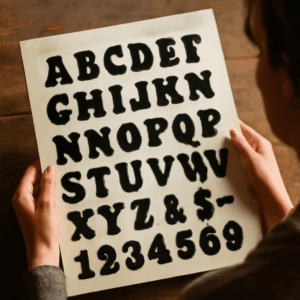
Once your skeleton is in place, begin transforming each character into funky letters by adjusting width, stretching curves, or adding playful embellishments. Try exaggerating certain elements, such as making the crossbar of the “A” wavy or turning the “S” into a zigzag. For more advanced unique letters, play with overlapping strokes or integrating textures like dots, stripes, or checkerboards.
Go over your sketches with ink or a bold marker, paying attention to line thickness and negative space. Experimenting with layered outlines or drop shadows will add depth and emphasis—making your cool lettering leap off the page. After inking, erase any stray pencil marks and refine edges for a polished appearance.
Practice different types of cool alphabet letters by switching up your approach: try bubble letters, sharp angular designs, or even retro-inspired block forms. Mixing and matching these DIY lettering methods helps you discover a style that feels authentic and eye-catching.
Inspiration for Unique Letters: Styles and Ideas to Try
Exploring fresh ways to create unique letters can unlock new possibilities for your projects. Look to graffiti, vintage signage, comic books, or even album covers for examples of cool lettering styles. Notice how these sources blend color, texture, and unconventional shapes.
Experiment with turning common words into funky letters by swapping line weights, adding serifs, or creating 3D effects. You might design a set of cool alphabet letters inspired by nature—think leafy vines for “L” or geometric crystals for “C.” Playing with themes allows your unique letters to tie into the overall mood of your design.
Tactile exploration is key. Cut out letter shapes from colored paper, arrange them in new ways, or layer transparencies to see how unusual forms interact. Taking time to collect inspiration and try diverse approaches will expand your cool lettering repertoire and give you the confidence to invent your own signature looks.
Tips for Perfecting Your Cool Lettering Skills
Consistency and patience are everything when working with funky letters. Set aside fifteen to twenty minutes daily to practice drawing cool lettering. Focus on repeating basic shapes, then slowly introduce more complex forms and unique letters as your comfort grows.
Check your progress by comparing your current cool alphabet letters to earlier versions—look for improvements in balance, spacing, and proportion. Use tracing techniques to break down professional designs, then reconstruct them using your own DIY approach. This hands-on analysis helps bridge theory and practice.
Don’t be afraid to make mistakes. Each attempt at cool lettering teaches you about contrast, rhythm, and what works visually. Occasionally switch up your materials, like testing brush pens versus markers, to develop more versatile and expressive funky letters.
Lastly, share your finished unique letters with others—whether online or offline—to gather constructive feedback and inspiration. Learning from peers is a powerful way to refine your style and keep your creative energy high.
Next steps: Set a regular practice schedule, explore new lettering styles each week, and don’t hesitate to mix materials and methods. Over time, your confidence with cool lettering will grow—and so will your creative voice!